Paca Artist In Residence
26th sept – 15th oct. 2024
https://robertouribecastro.de/en
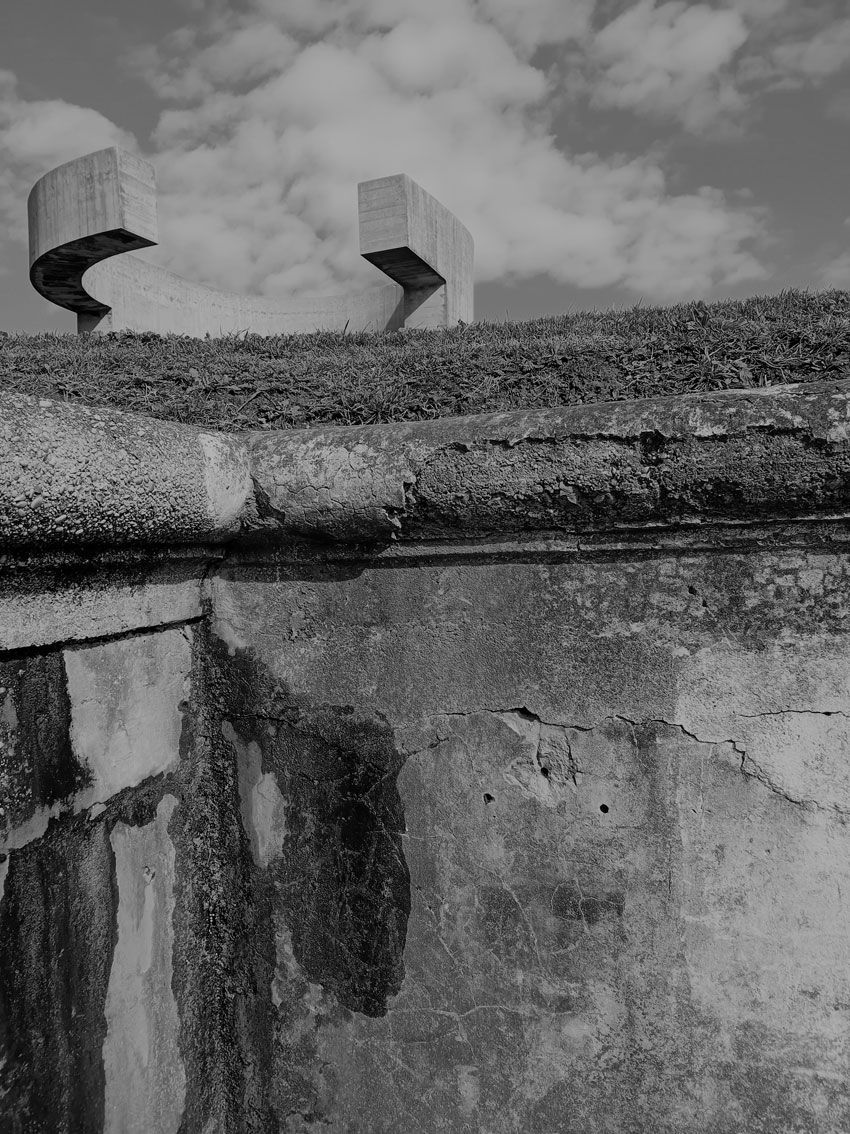
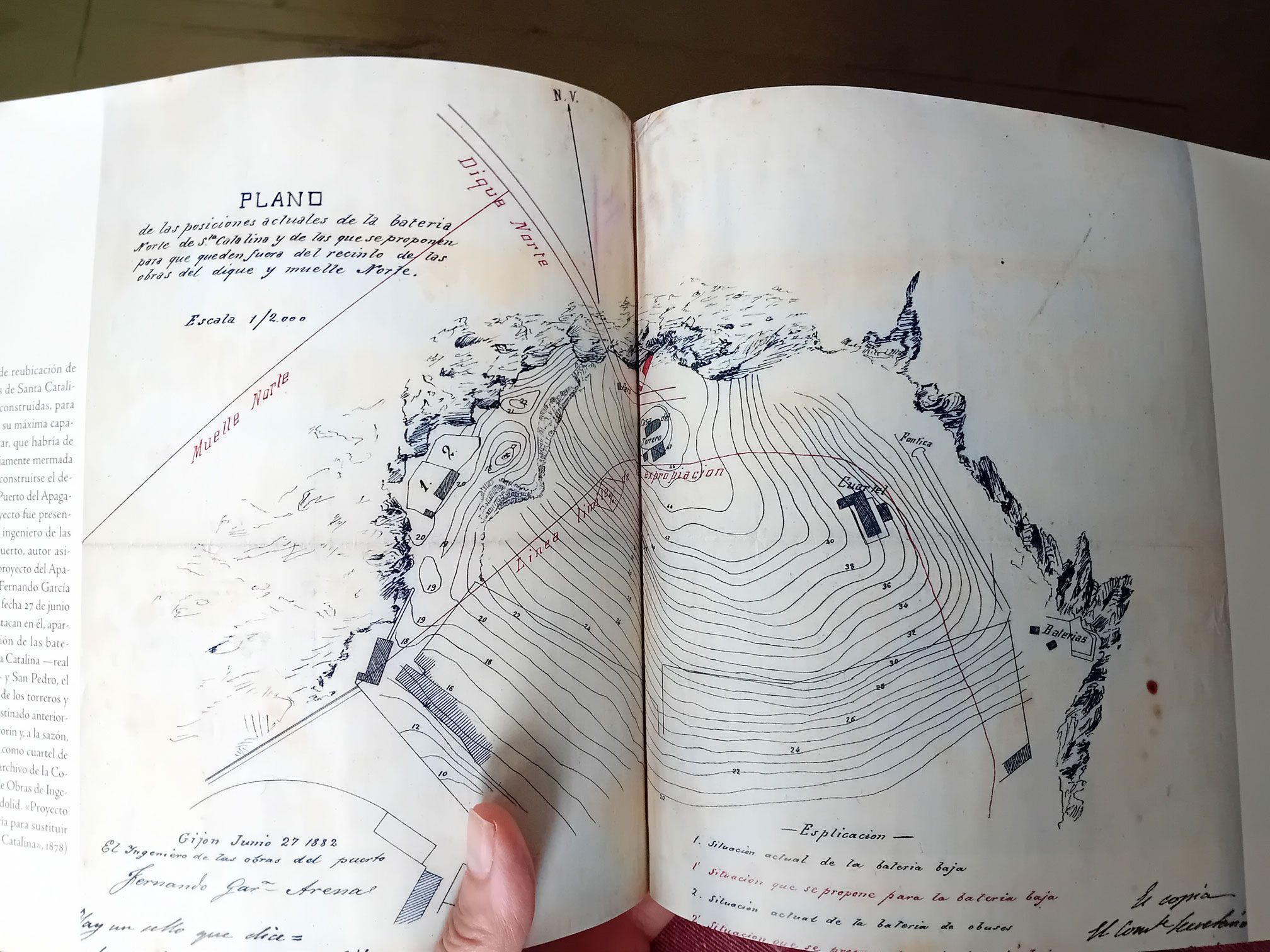
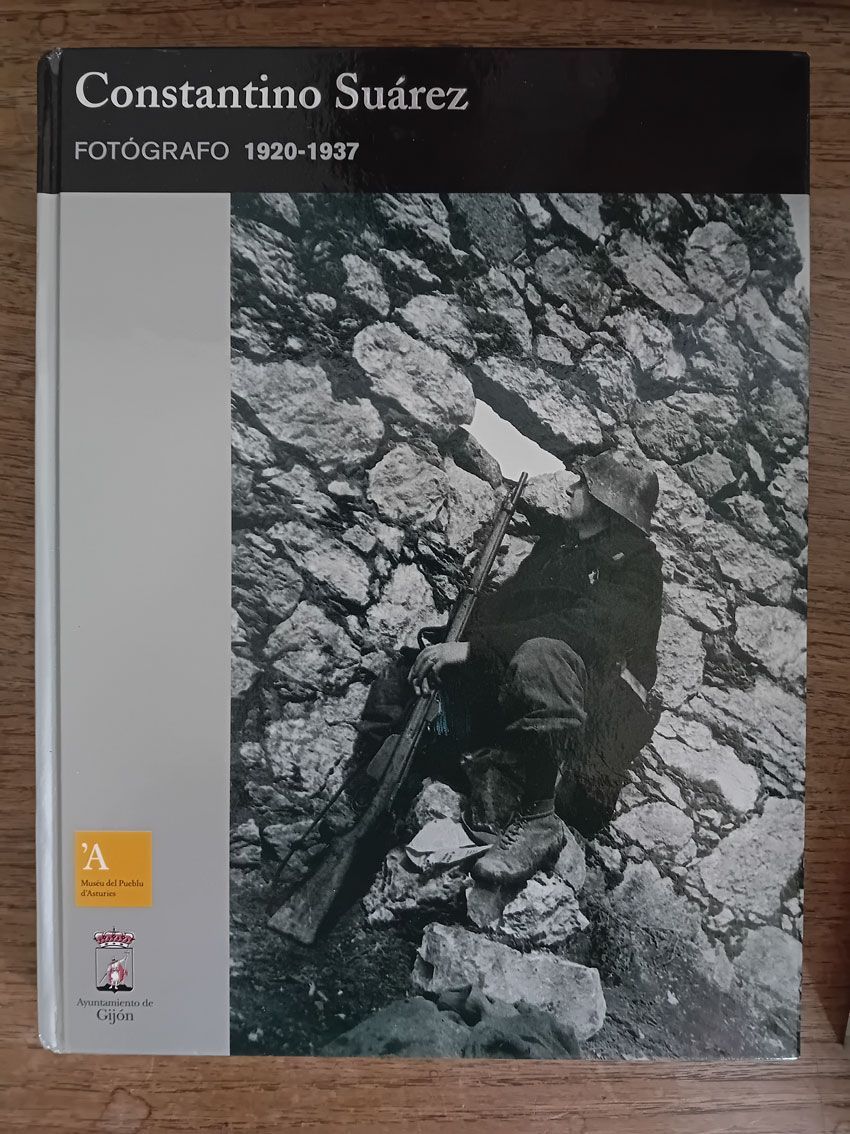
The residency aimed to understand the connection between the horizon of the Gijón coastline, which continues to develop today, interpreting it as the physical and symbolic line where two or more different realities meet. As a starting point for this residency, the horizon was taken as a theme in the history of Western art, typically located in what today are the Netherlands, in the 17th century. During this period, the appearance of a well-defined horizon, around which the composition of paintings was organized, is also often seen as a theme that refers to the emergence of the Renaissance, the close relationship between reason and logic over religion, scientific and technical developments, and the perspective that placed man as the center and ruler of the landscape. This theme and its plastic and theoretical implications in Flemish painting were and still are, to this day, of great significance. Thus, the residency began with the presence of Elogio del Horizonte by Eduardo Chillida, inaugurated in 1990 on the Cerro de Santa Catalina, a fortification planned in the late 18th century that was never completed or used for the military purpose for which it was conceived. Its location, where the medieval chapel of Santa Catalina once stood, not only dominates the view from the hill over the bay but is also one of the most visited places by tourists and locals alike. Pre-trip research had already introduced me to the issue of air pollution in Gijón and how this pollution was related both to the metallurgical industry and the storage of coal in the port of El Musel. Once the residency began, my visits to the city’s museums confirmed that the theme of the horizon was already present in the paintings of local artists from the late 19th and early 20th centuries. These times coincide with the development of the port of El Musel, as well as with various industries such as glass and ceramics, as presented in the Orto y Ocaso exhibition, which I had the opportunity to visit during my residency. The visit to the Pueblu d’Asturies collection introduced me to works by local photographers previously unknown to me, such as Constantino Suárez. This Asturian photographer, active especially between 1920 and 1937, beautifully documented the development and relationship of the city of Gijón with its coastline, whether through images of politicians gathered at the sailing club, bathers, or in some cases, from the frontlines during the Spanish Civil War. During my residency, and thanks to a carefully planned agenda integrated with my pre-trip plans by PACA, I interacted with local artists, art historians, and community movements concerned with environmental pollution in the city and the region. My focus during the residency was on collecting images and sounds along the Gijón coast, between the Cerro de Santa Catalina and the Campa Torres. This included the old shipyards, the new beaches, the El Muselín neighborhood, and the port of El Musel. The latter was filmed thanks to the arrangements made by Virginia López, who also assisted me, along with local sound artist Fernando Oyagüez, in the audio recording. Among the meetings and visits organized by PACA was a guided tour of the underground constructions and the Santa Catalina fortress, access to which is currently NOT open to the general public. Another meeting was with Patricia Villanueva, who is responsible for coordinating exhibitions at the LABoral Art Center.
Roberto Uribe-Castro.
*Dutch-Colombian architect and artist Roberto Uribe-Castro has been selected by an expert jury for the research residency at PACA «What about post-industrial? The future of nature in co-existence with post-industrialized landscapes”. A three-week research residency supported by the Dutch embassy in Spain.
related info_
Roberto Uribe artist selected!
Open call info and outcome: https://pacaproyectosartisticos.com/what-about-postindustrial/
BITÁCORA_Photo report and residence diary.
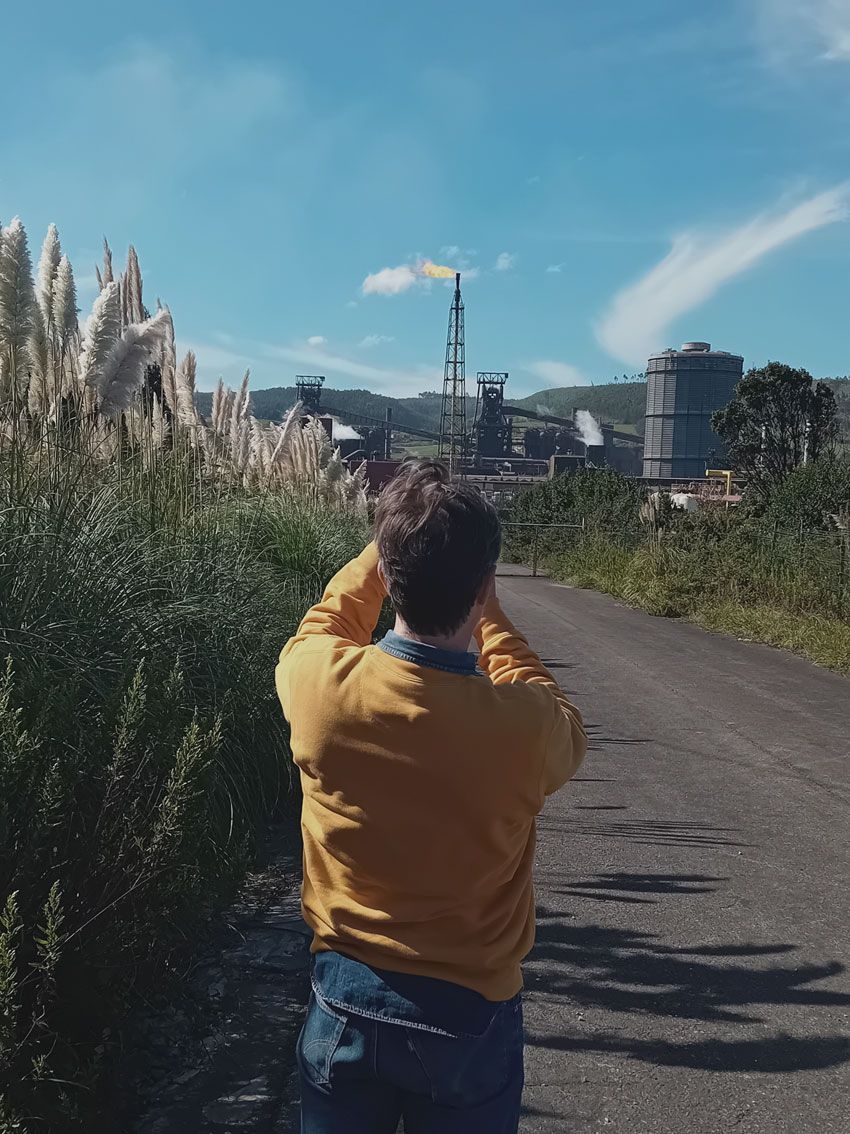
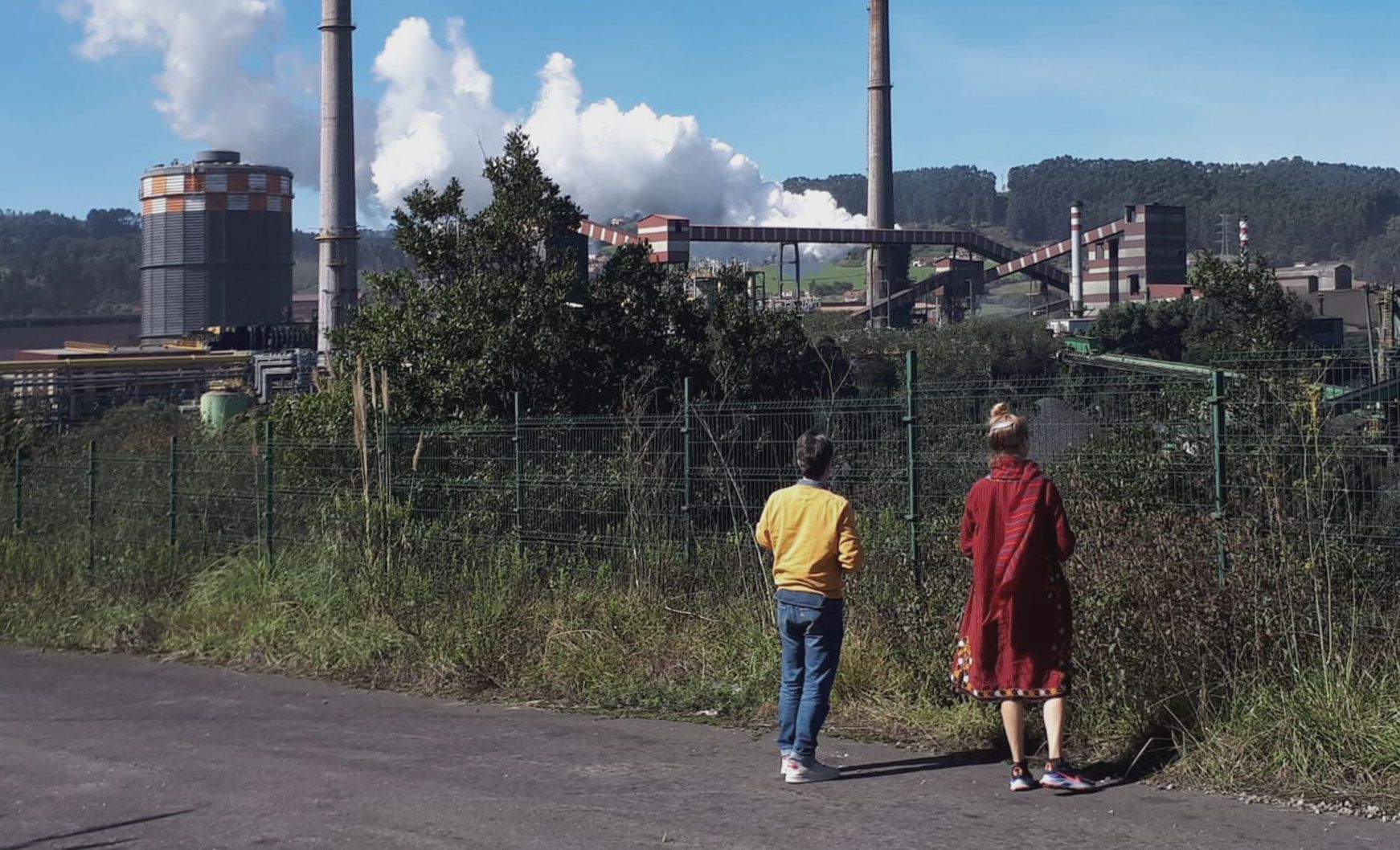
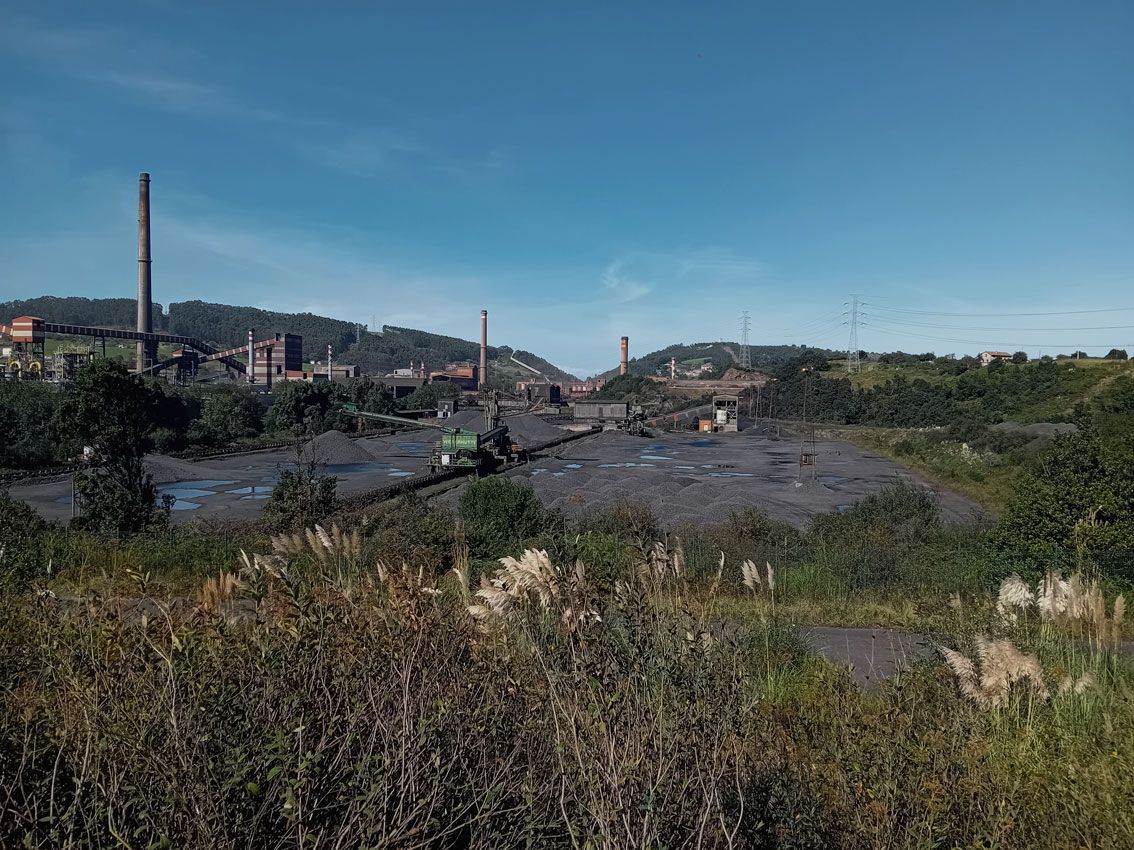
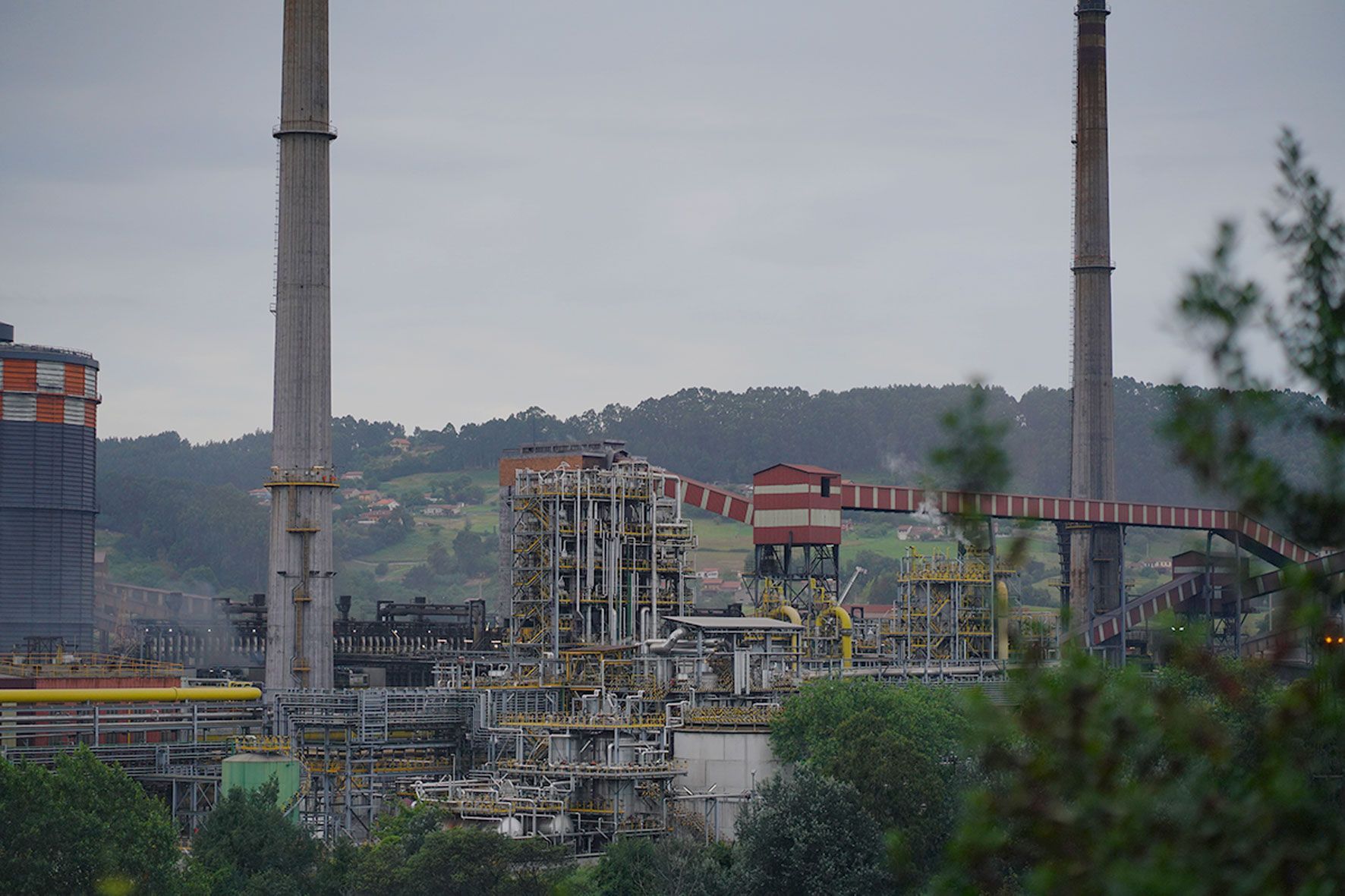
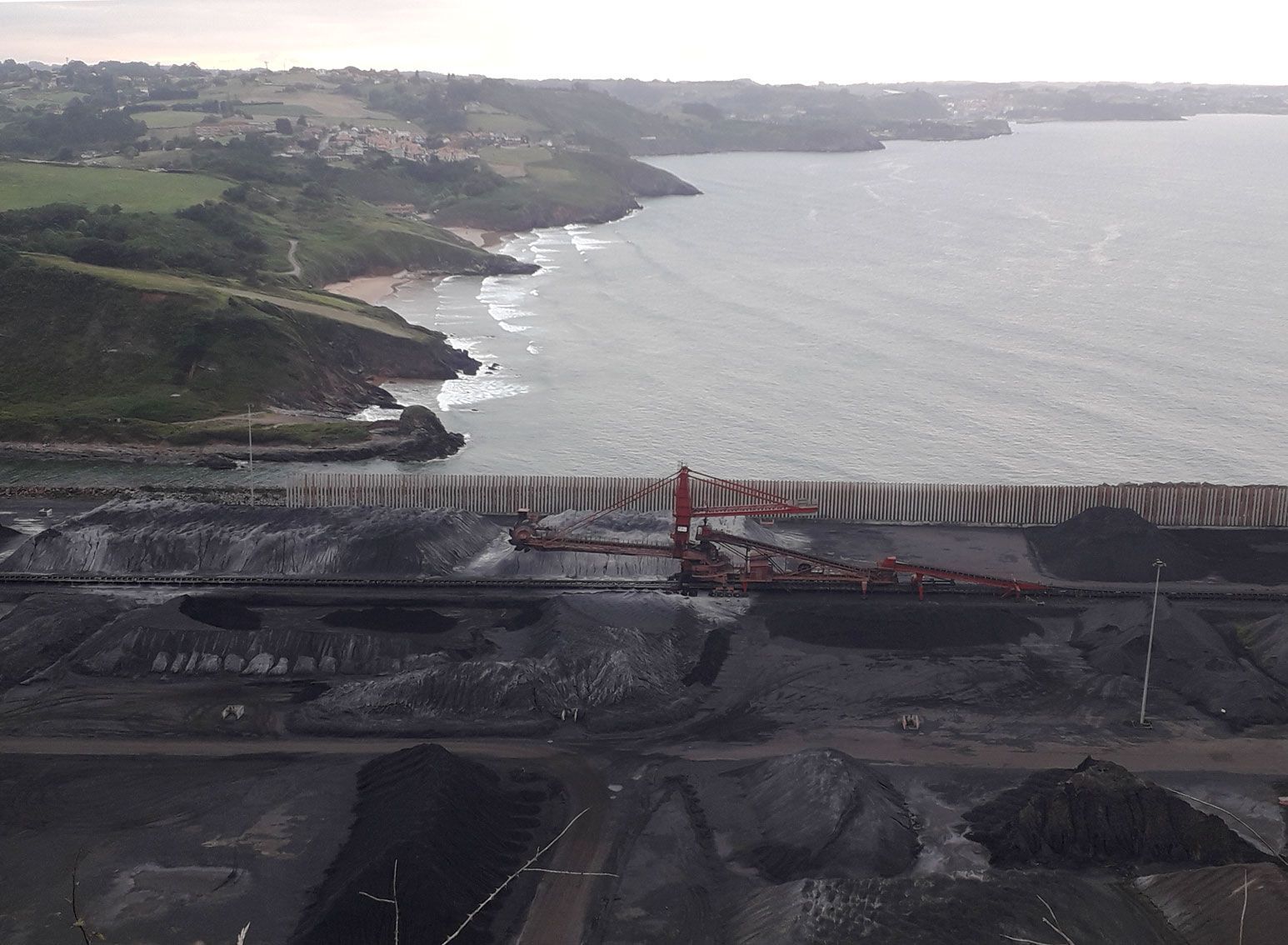
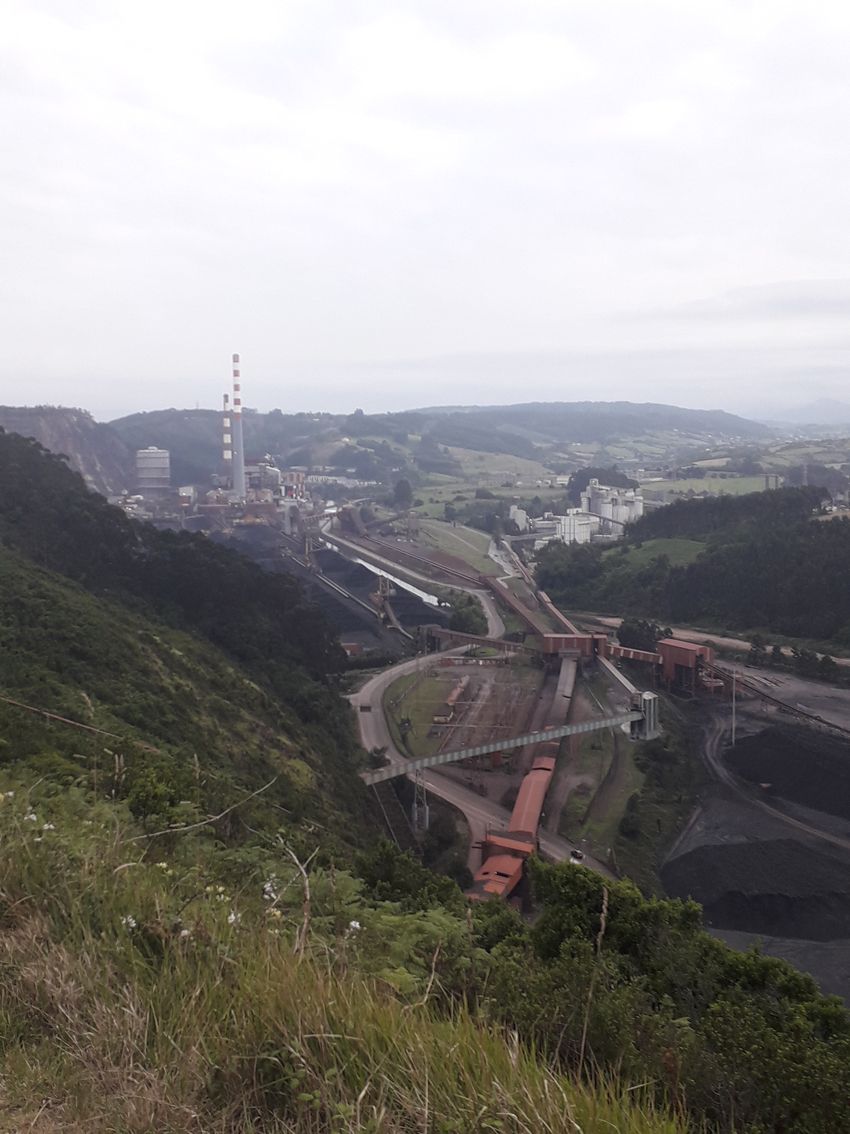
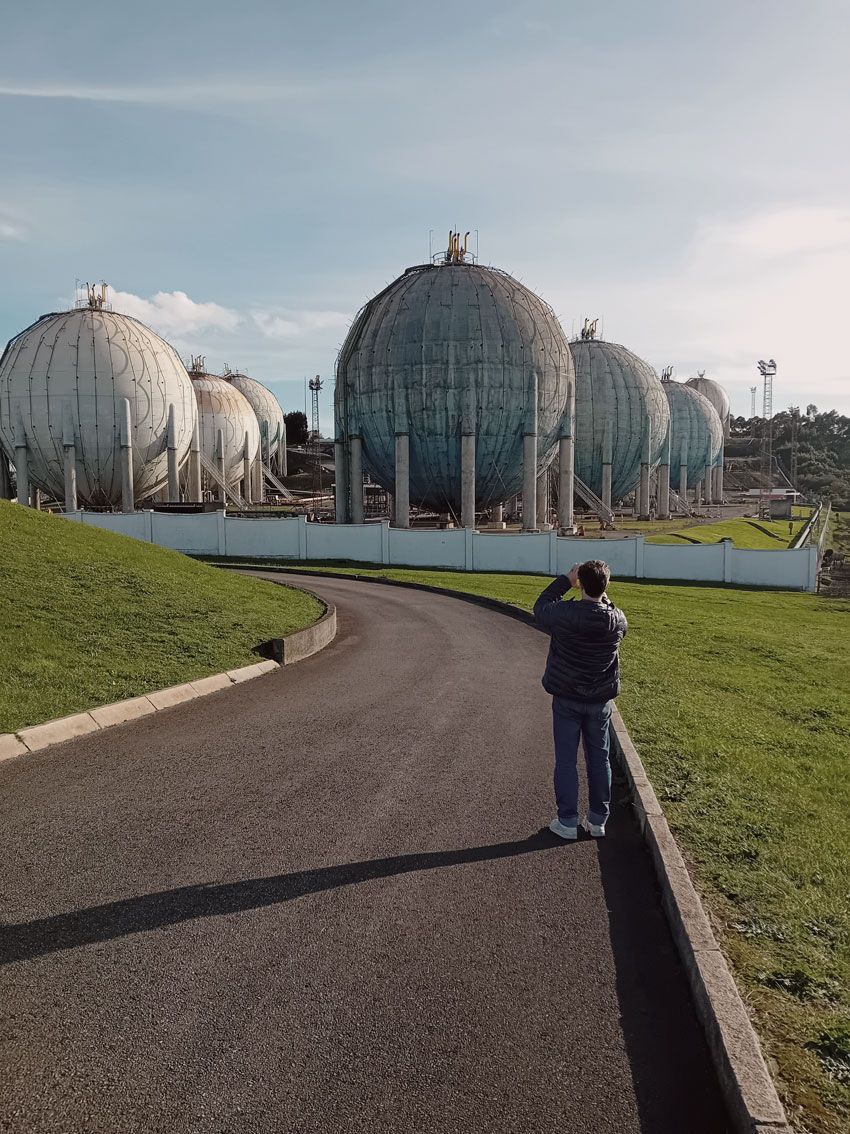

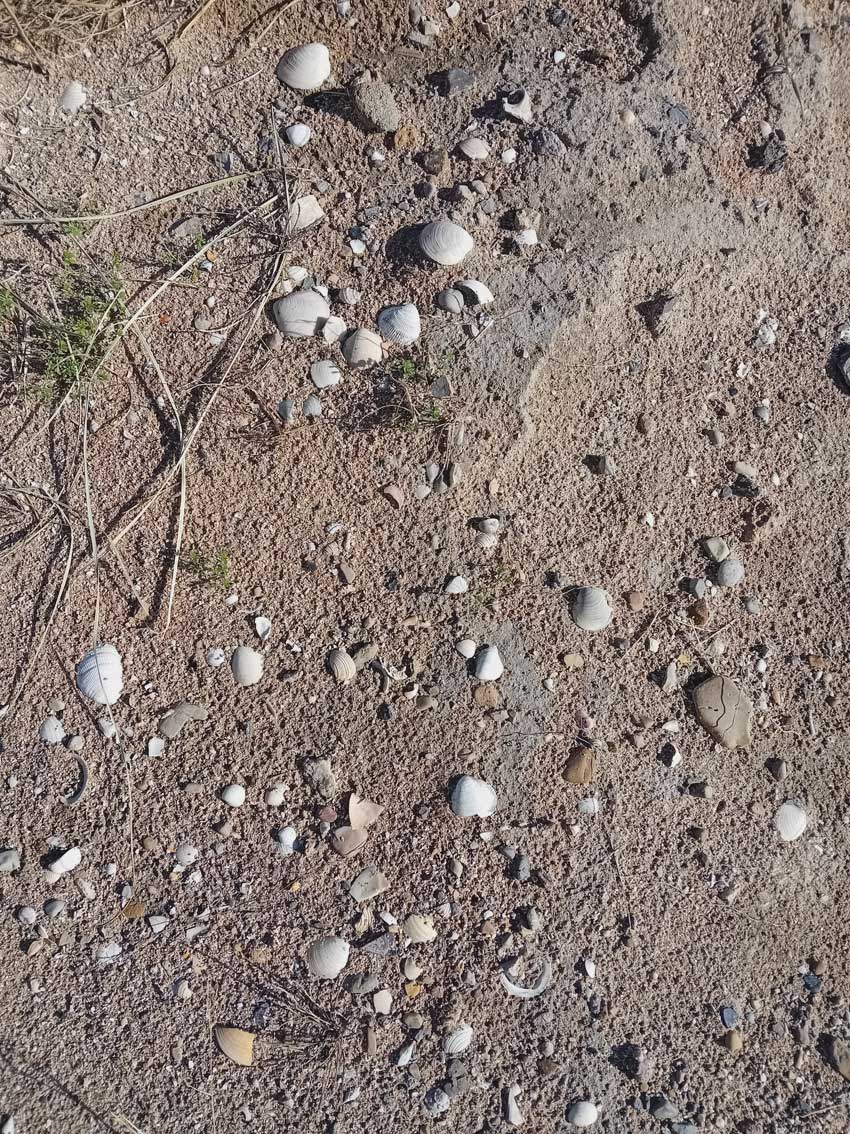
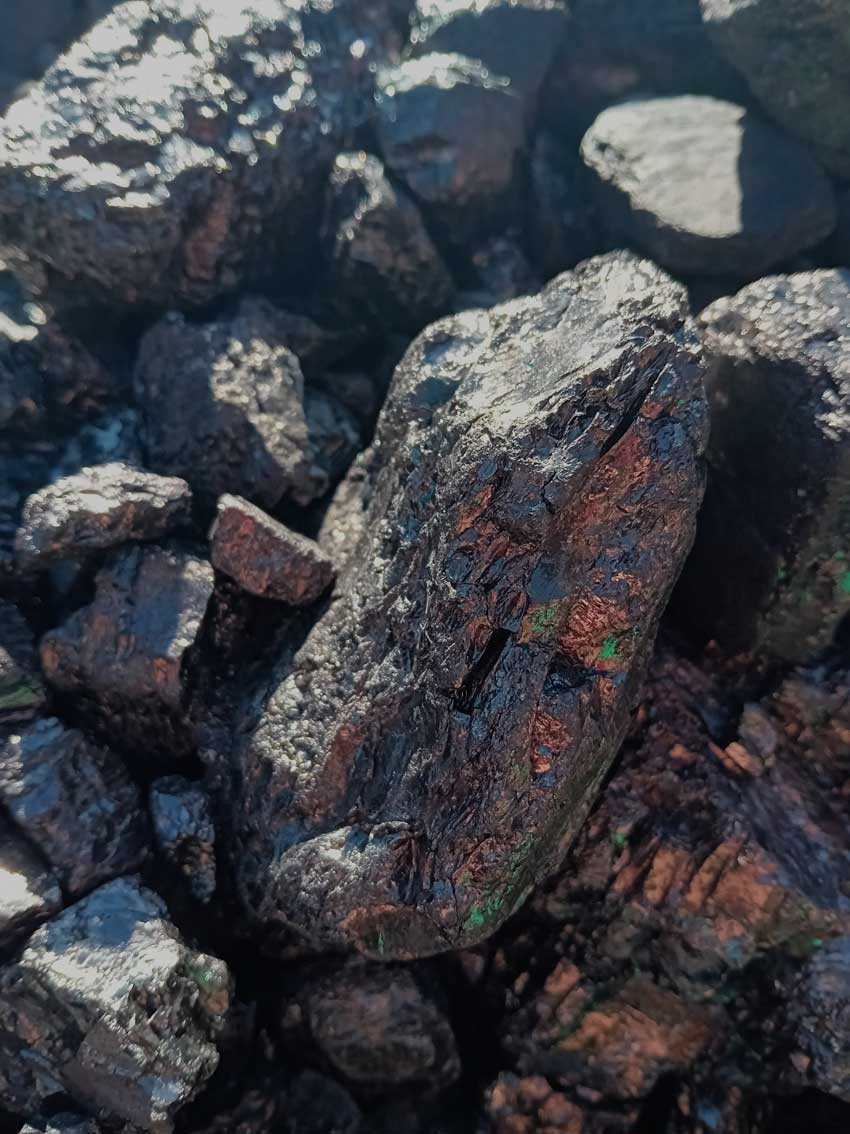
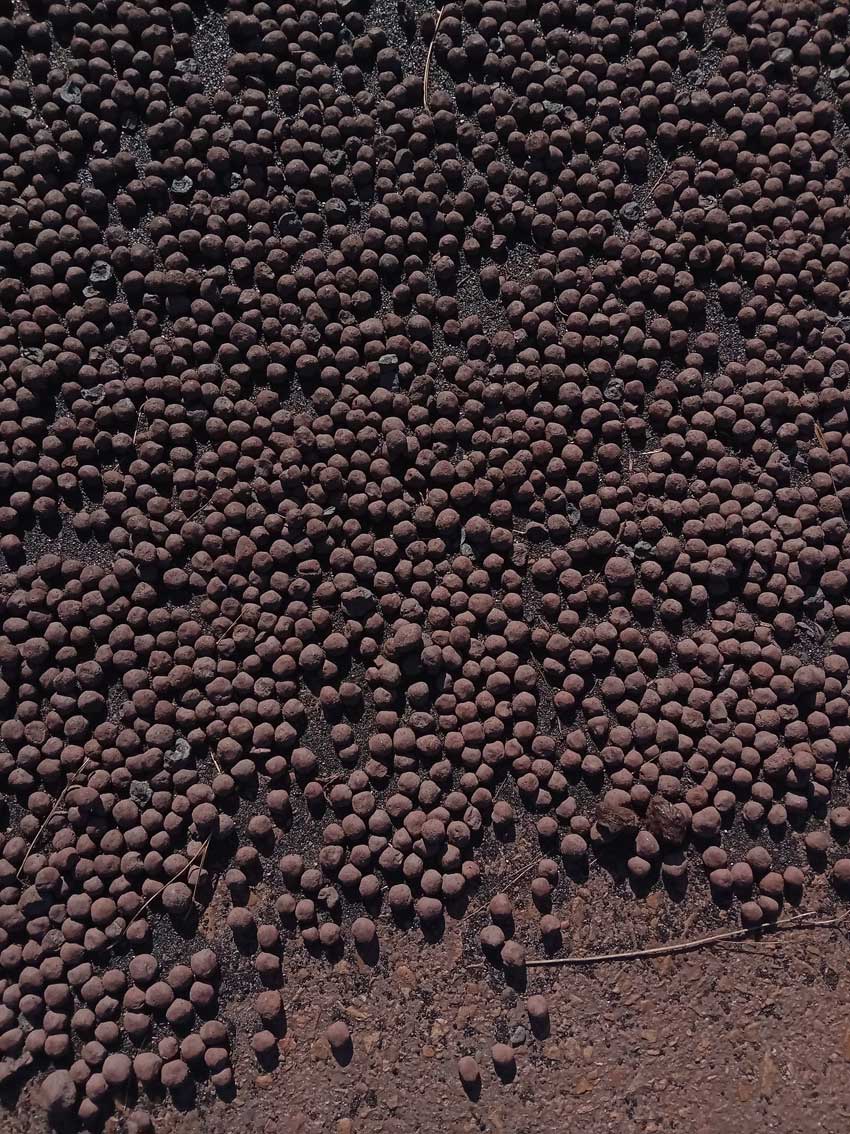
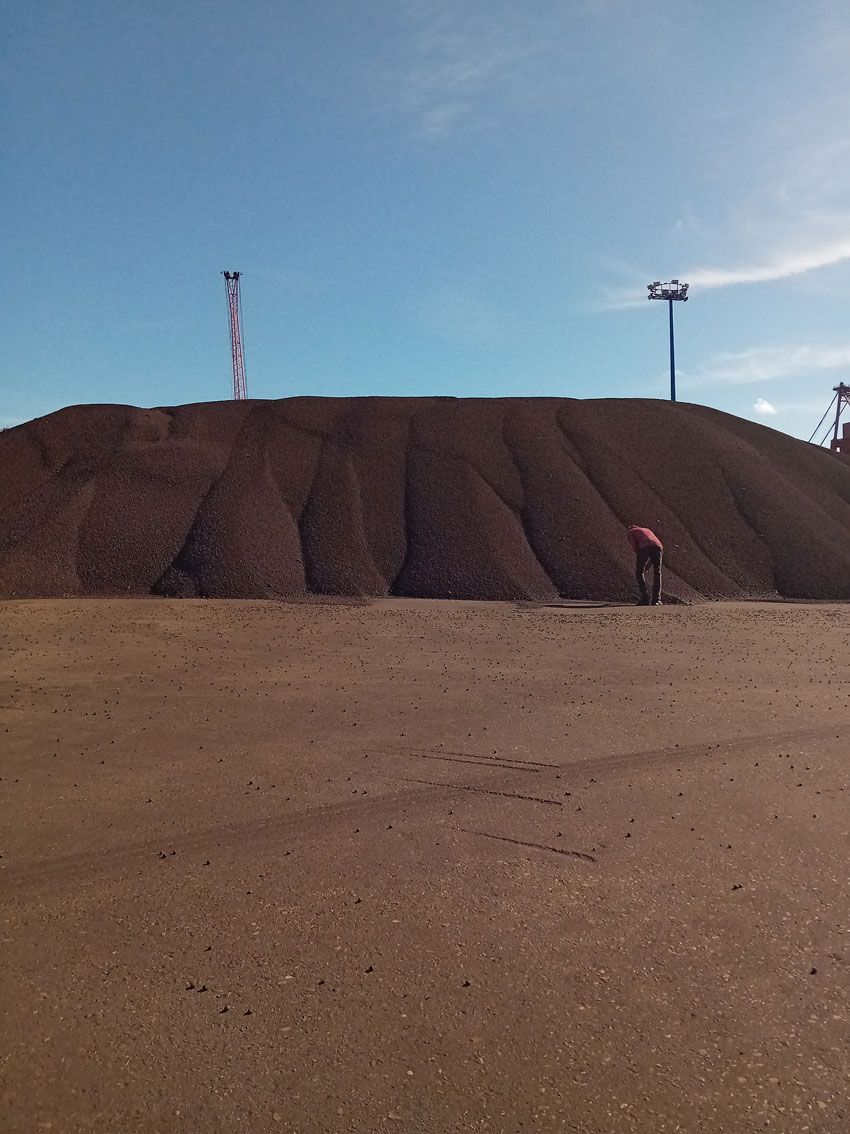
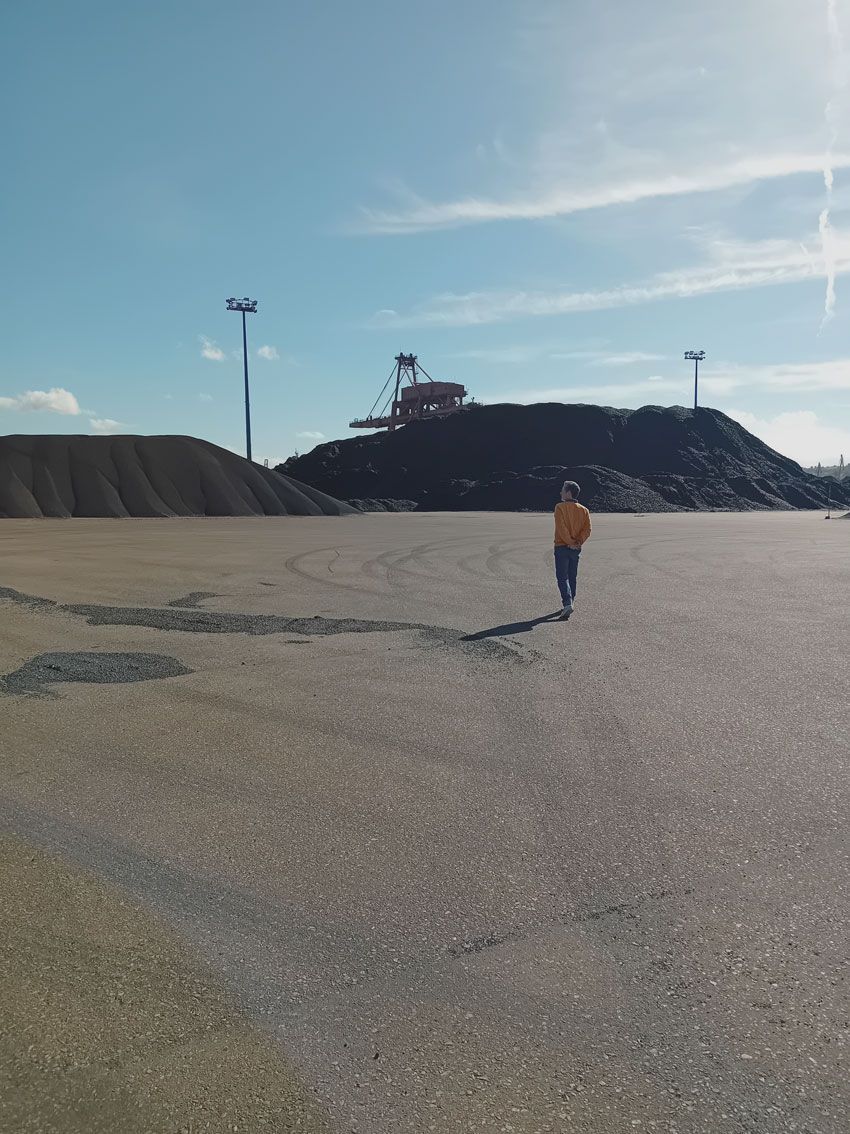
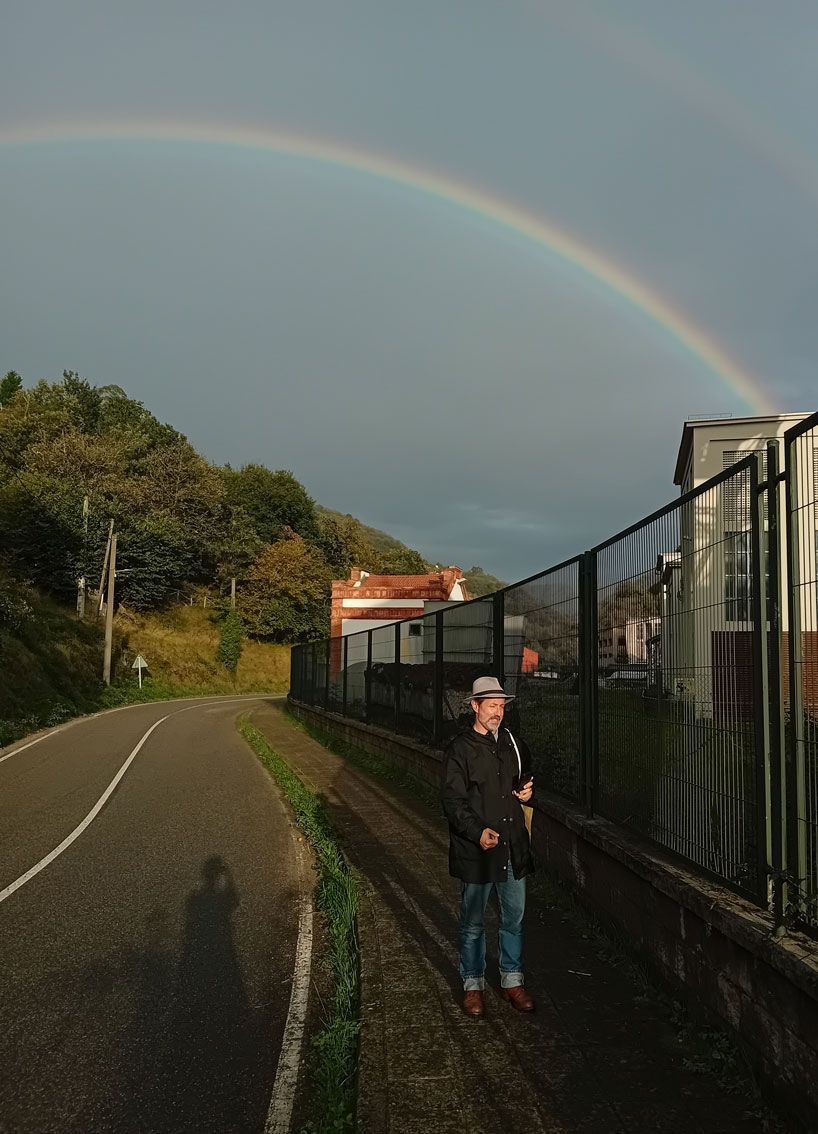
Pure density of information and intensity, multiple layers in a complex landscape. Roberto Uribe is already in PACA, into the landscape of Gijón, historical, industrial, social, archeology and natural processes, life among the inert, small stories of humanity, resilience and adaptation among the giant machine. First wanderings from PACA farmhouse to the steel factory ArcelorMittal and the harbour El Musel. Talking about family stories related to the Nalón valley and coal mining…structures, stratigraphies, accumulations, connections.
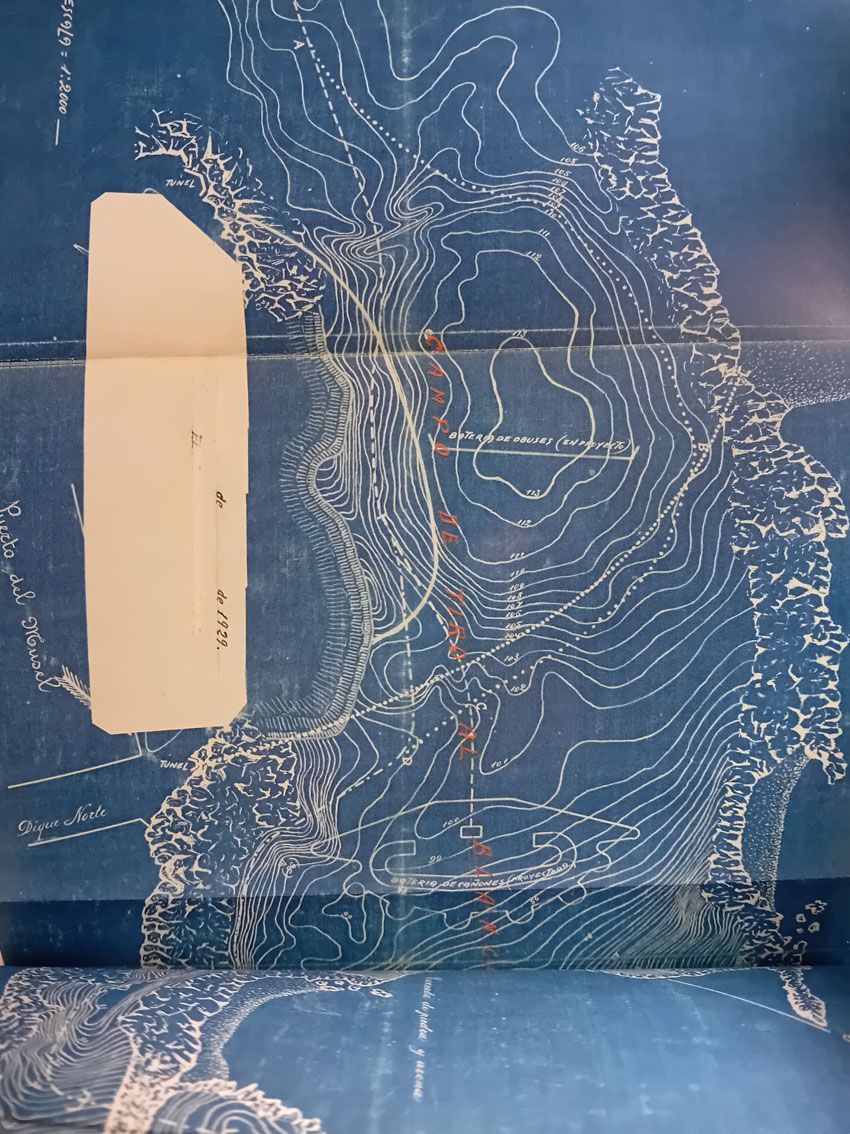
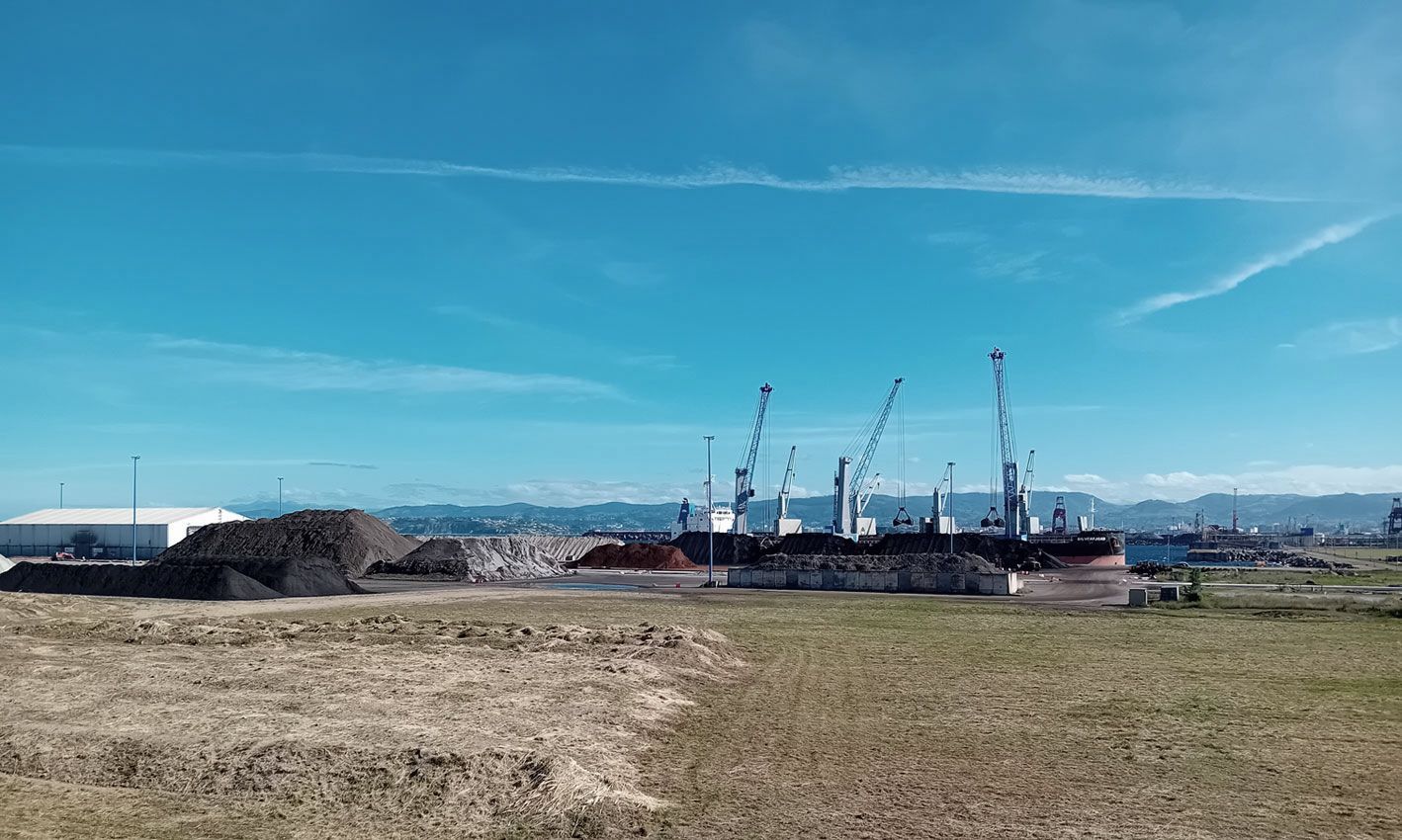
We went to have some initial contact with the landscape and context. After a first visit to El Musel, we went up to the Campa Torres Archaeological-Natural Park, a cape from which you can see the entire bay of Gijón, an archaeological site (pre-Roman forts and Roman settlement), defensive bunker, and the lighthouse, from which you can see on the left the Aboño thermal power plant and El Musel coal park, also the Tudela-Veguin cement plant, and on the right slope, El Muselín neighborhood and the entire industrial port.
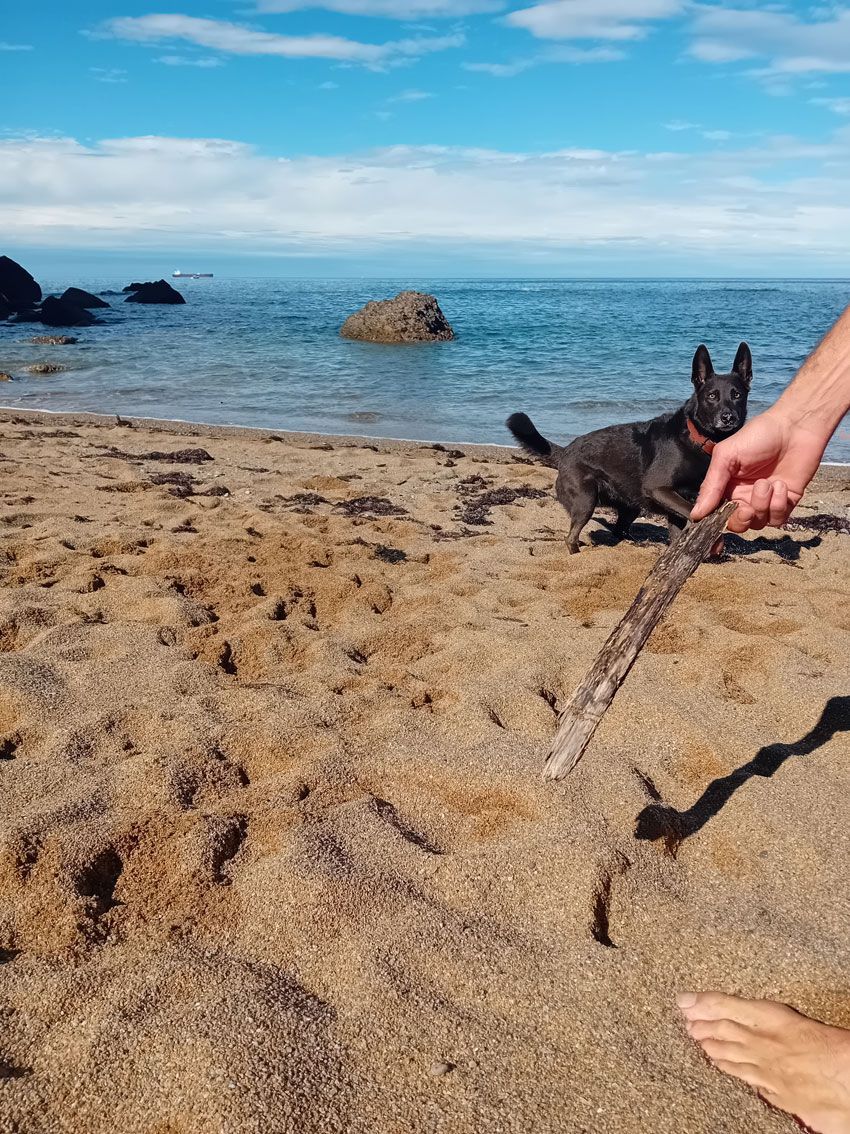
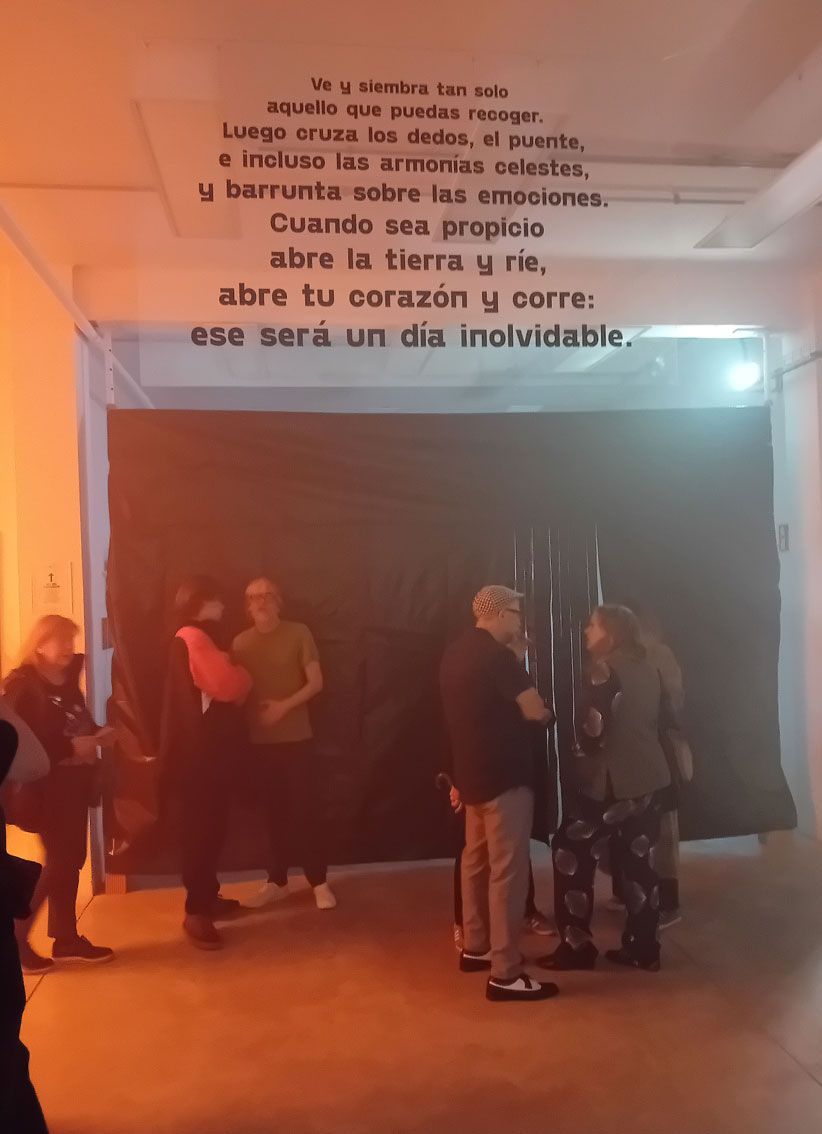
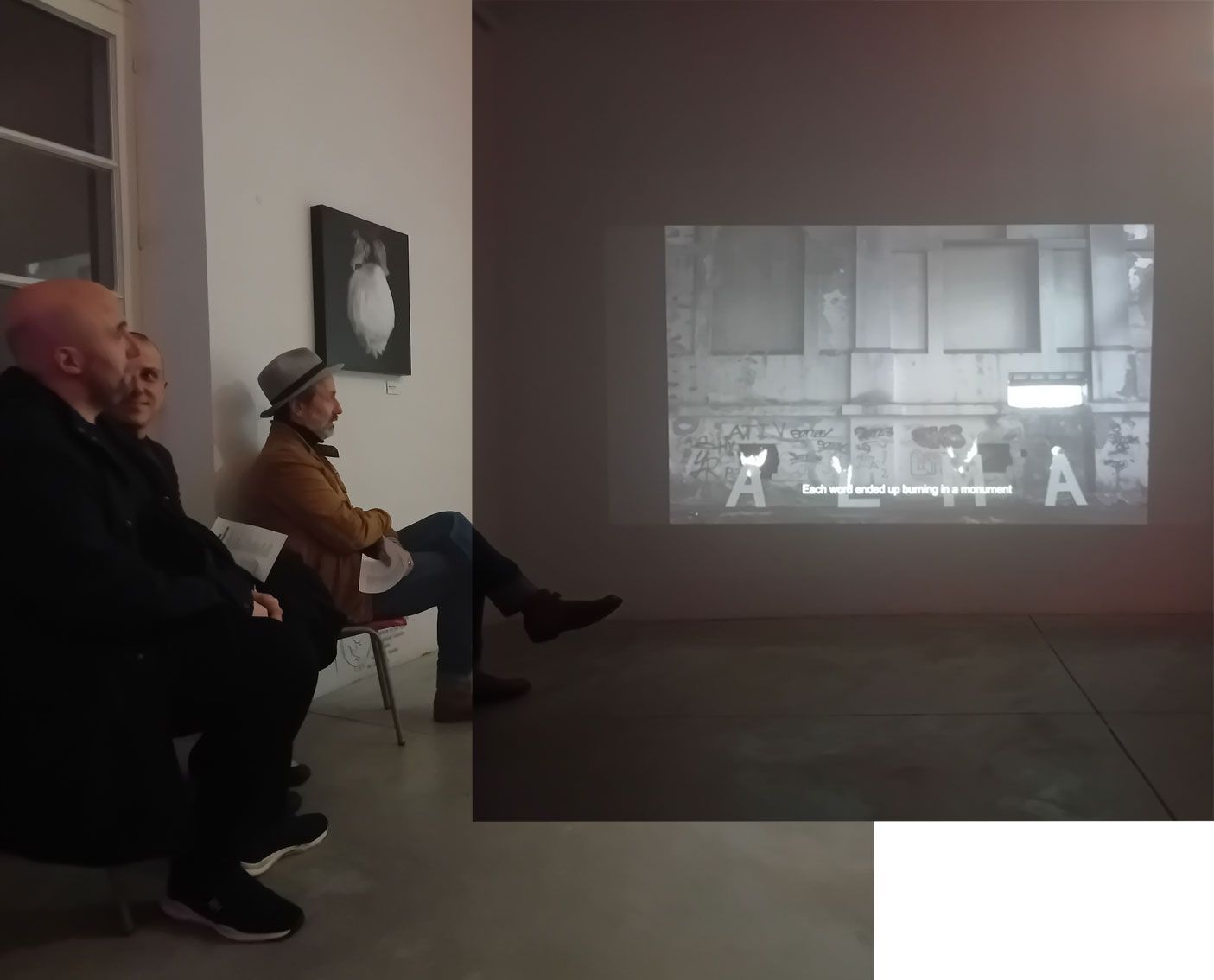
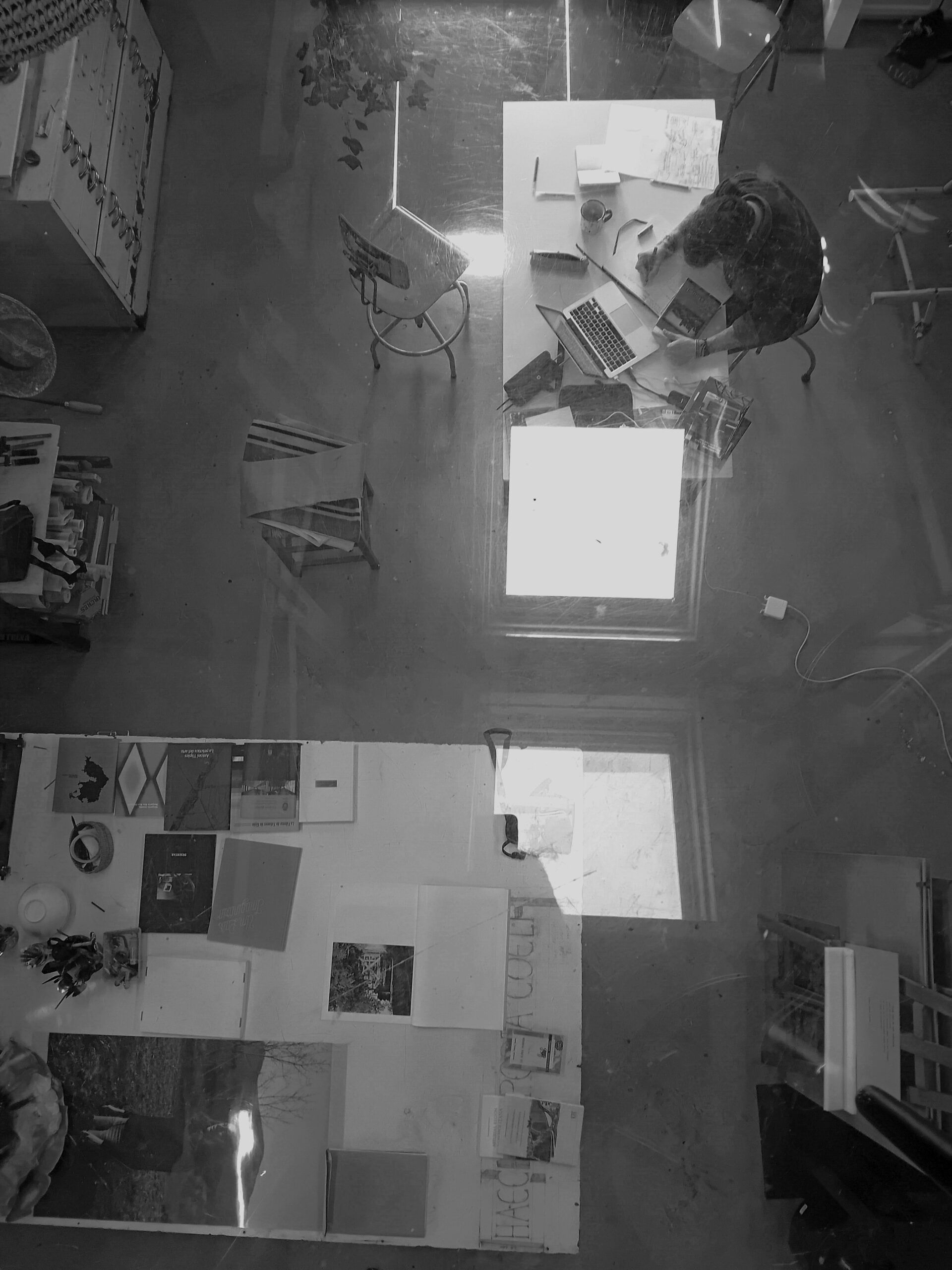
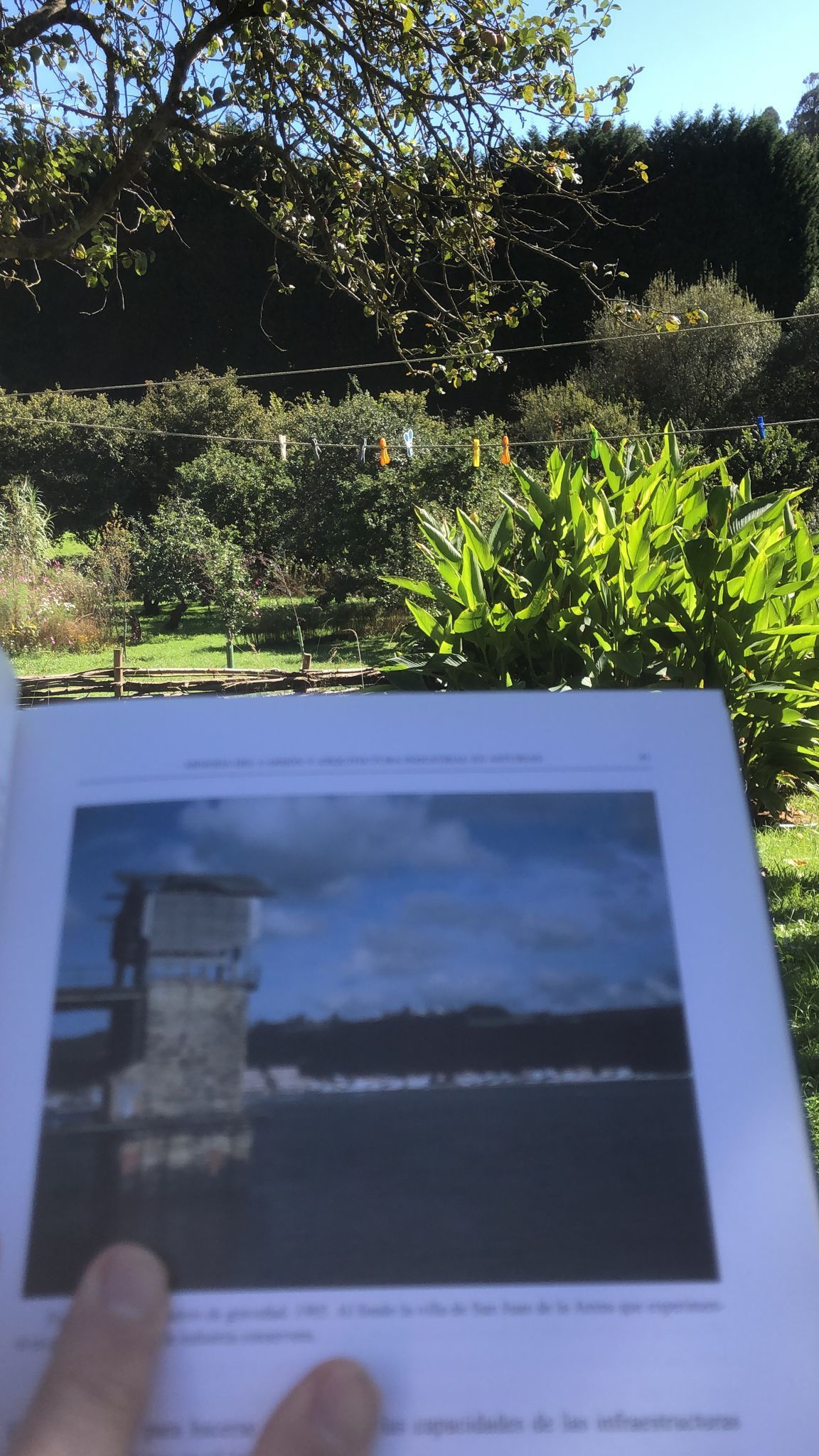
Also sea baths with Mela, garden and studio readings, collecting materials, some opennings in Gijón and Oviedo during La Noche Blanca, visiting Estudio Pablo del Lillo (Oviedo), Altamira and Espacio Líquido art galleries in Gijón.
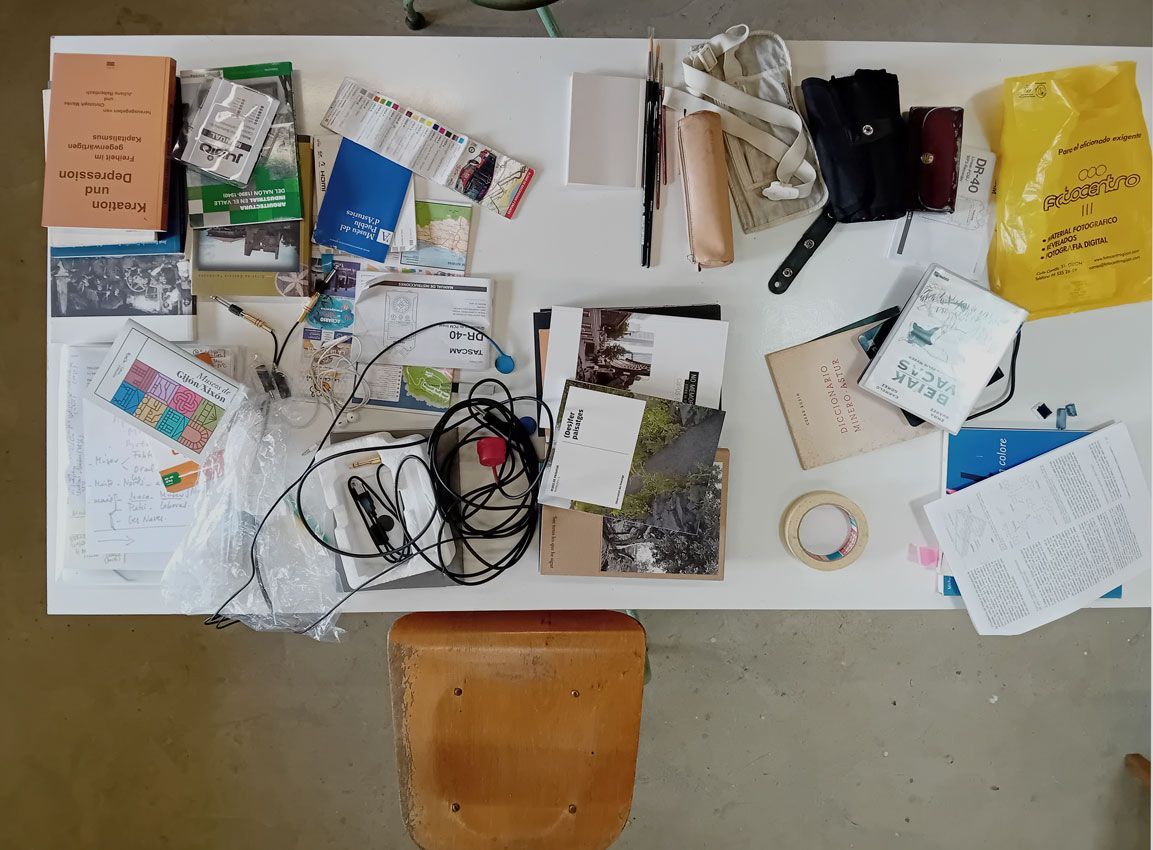
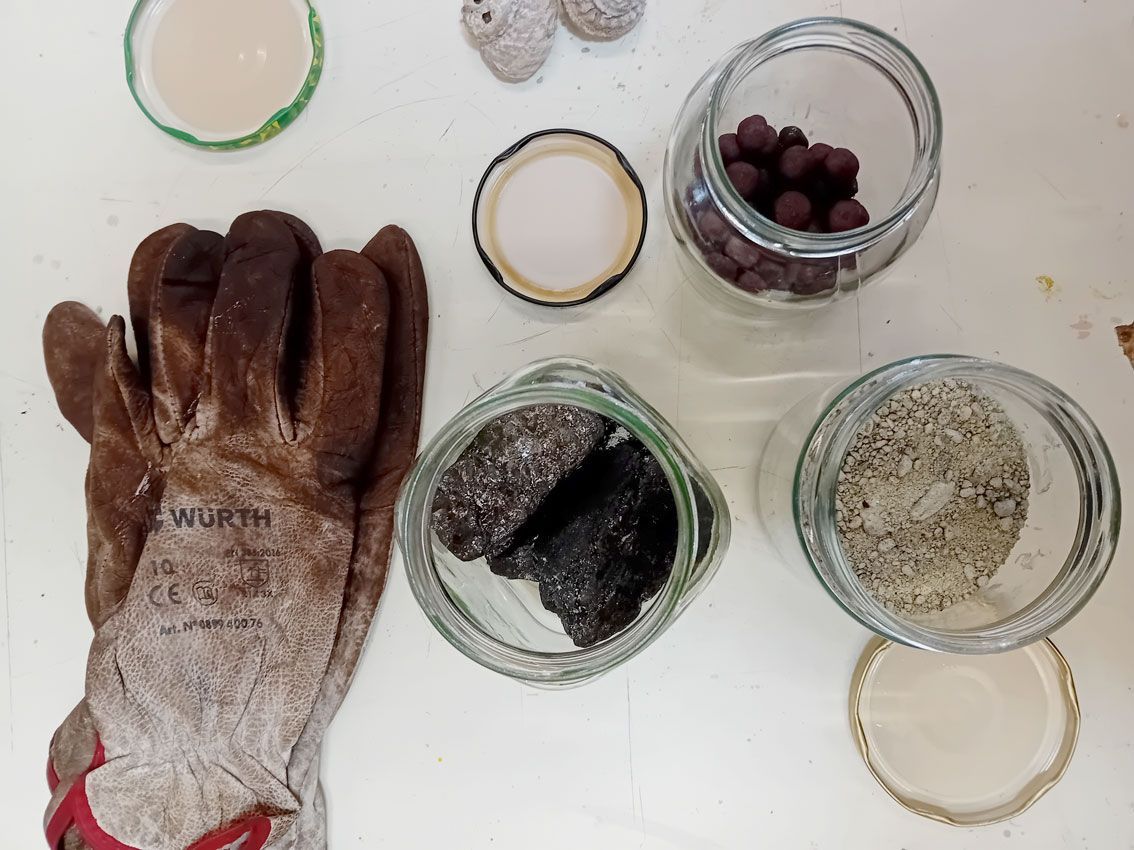
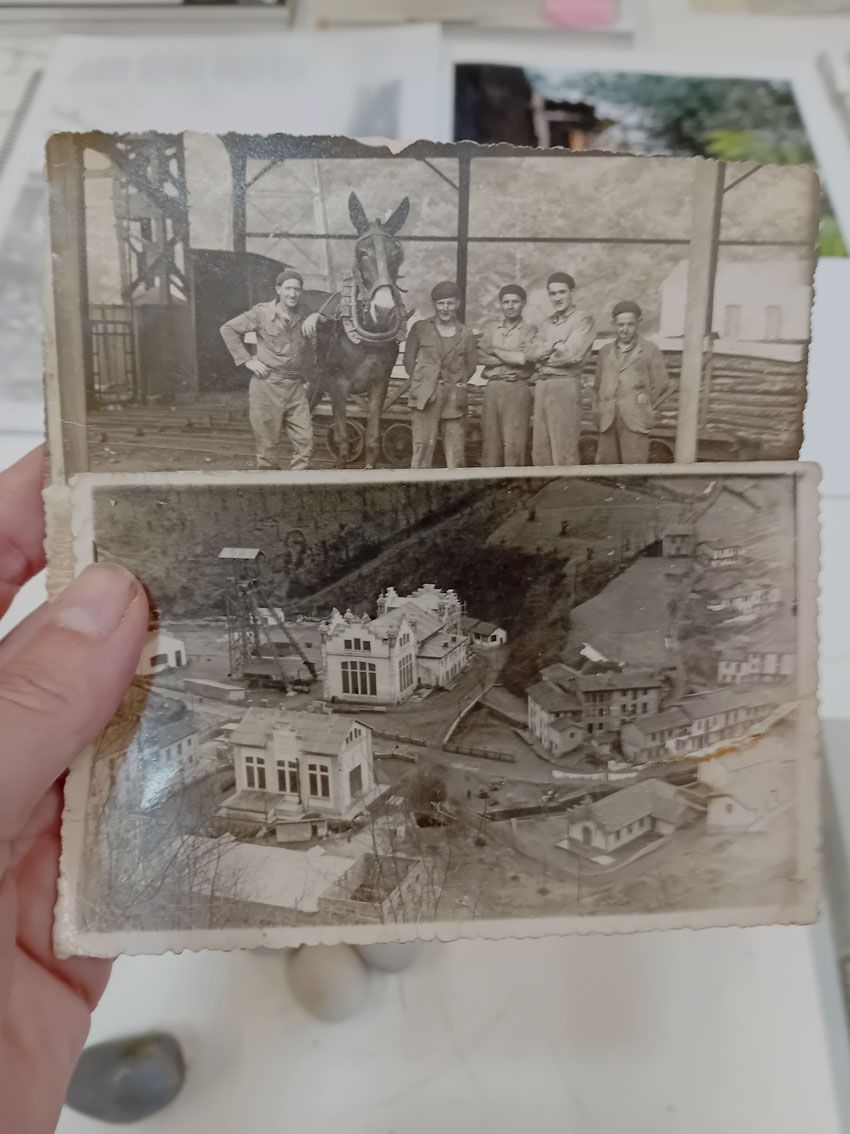
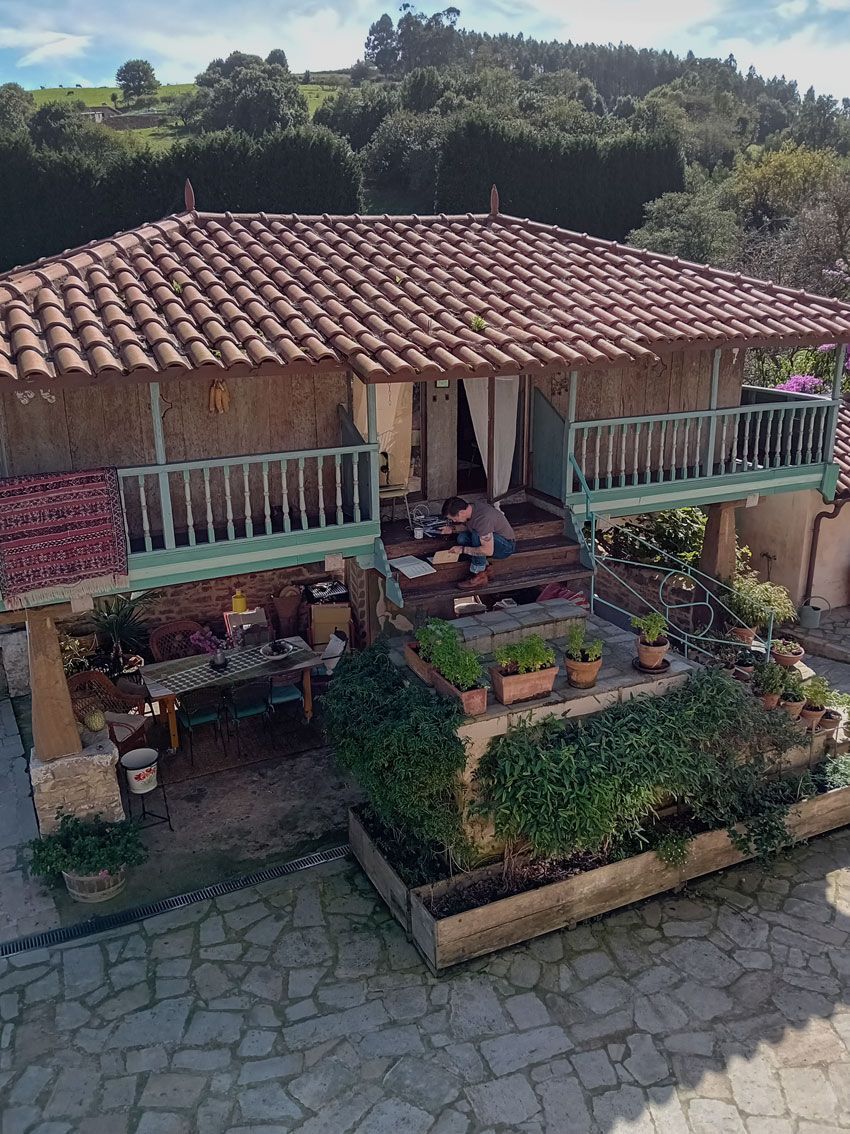
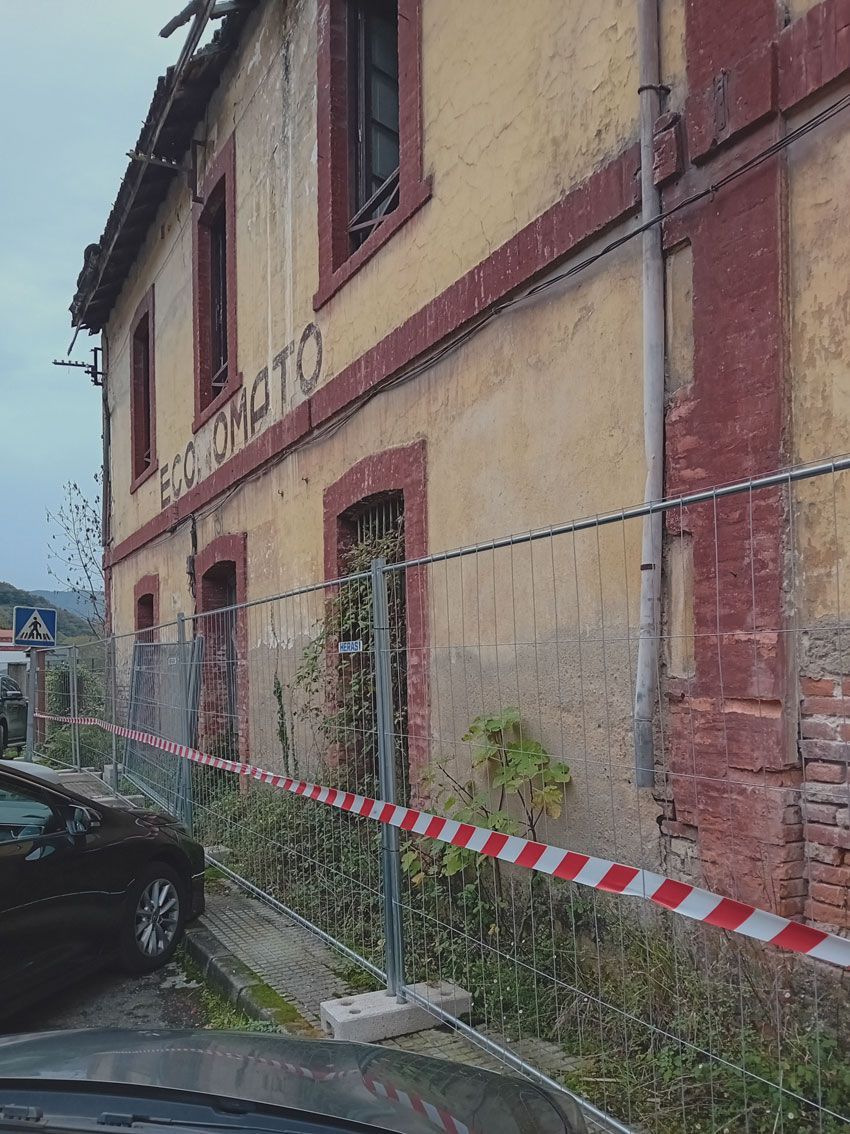
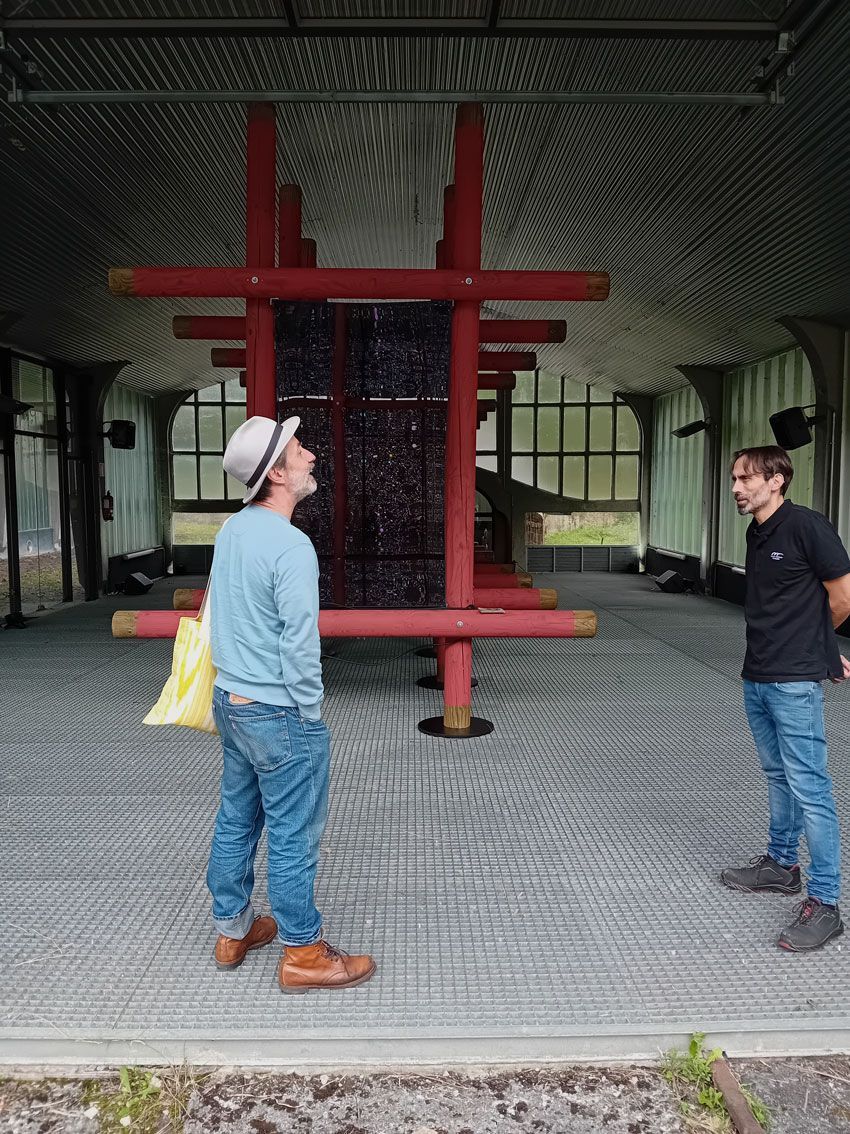
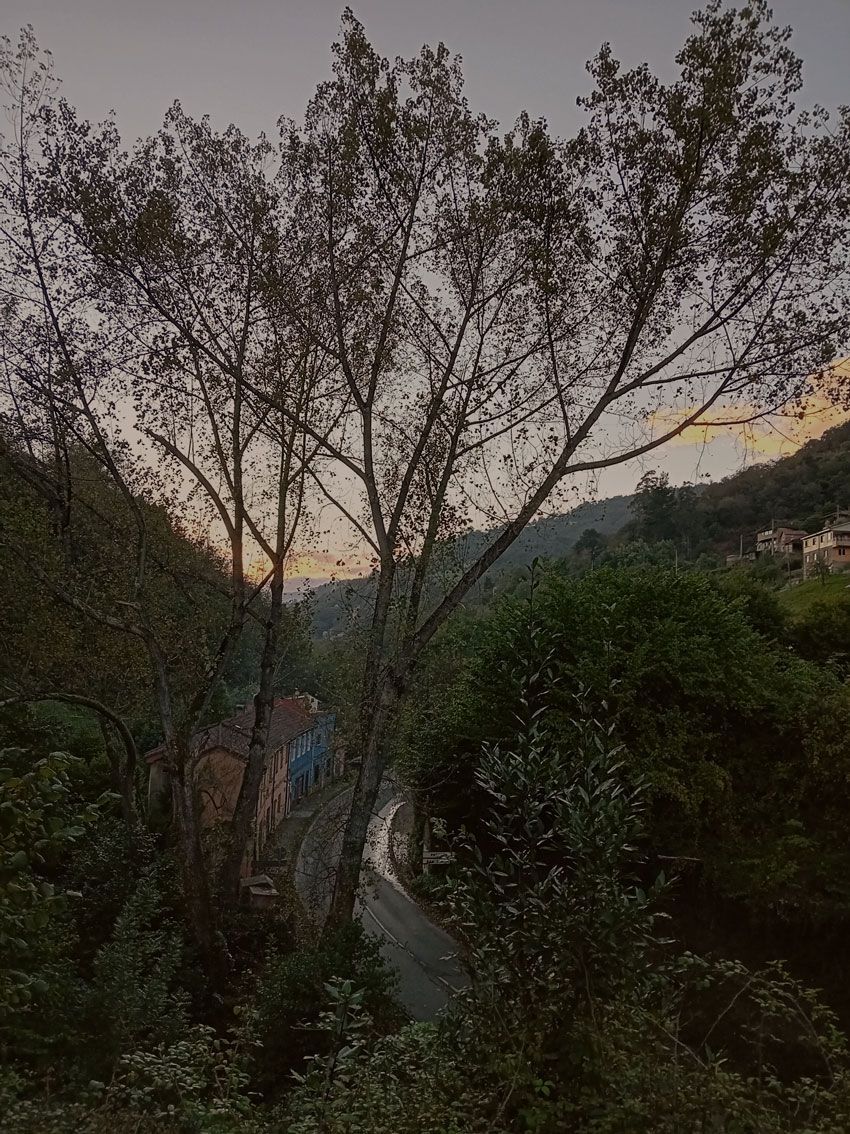
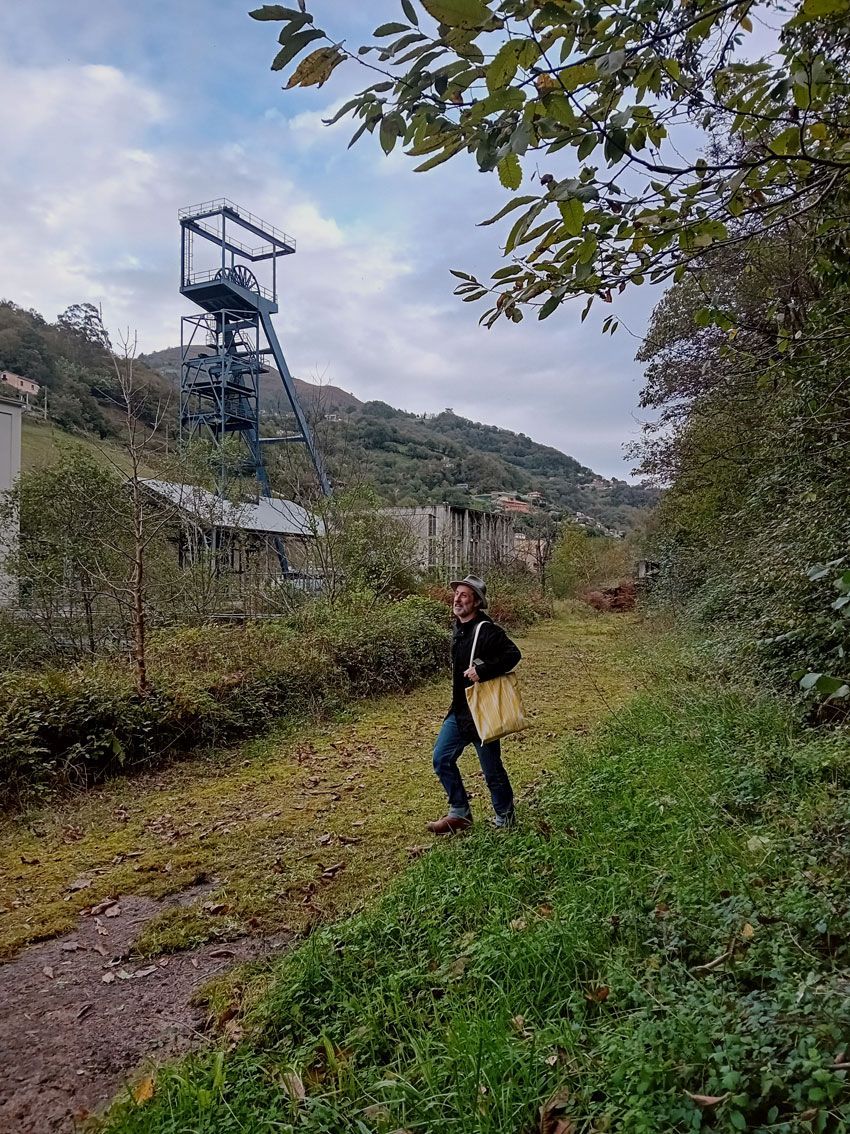
Visit to the Santa Bárbara, Pozo Espino and Pozo San José old mining pits during Festival Ecos, while the night before we were talking with Juan Carlos Aparicio Vega, art historian and friend, author of the text «GIJÓN. Cuando el carbón se hizo arte» published on «Descubrir el Arte» magazine (oct.2024) in which he explains the close link between Gijón and the coal basins of the central area of Asturias, and how this city experienced a profound industrial transformation in the 19th century that had fundamental repercussions on the artistic level. In short, a journey around the last two centuries, to reach the present, surrounded by a postindustrialized landscape, musealizing the ruin, nostalgia for the past, attempts at reconversion and new development opportunities, redeeming culture, museum-turned pits, contemporary ruins, industrial heritage, former union stores, still smoking chimneys of coal stoves, mining gardens of majestic alder trees on the riverbank, Japanese anemones, thistles, buddleja and scabiosa (each one has its weaknesses, my grandfather worked in the San Luis mine, but I remember him walking through the forest and gathering chestnuts together, silent trees).
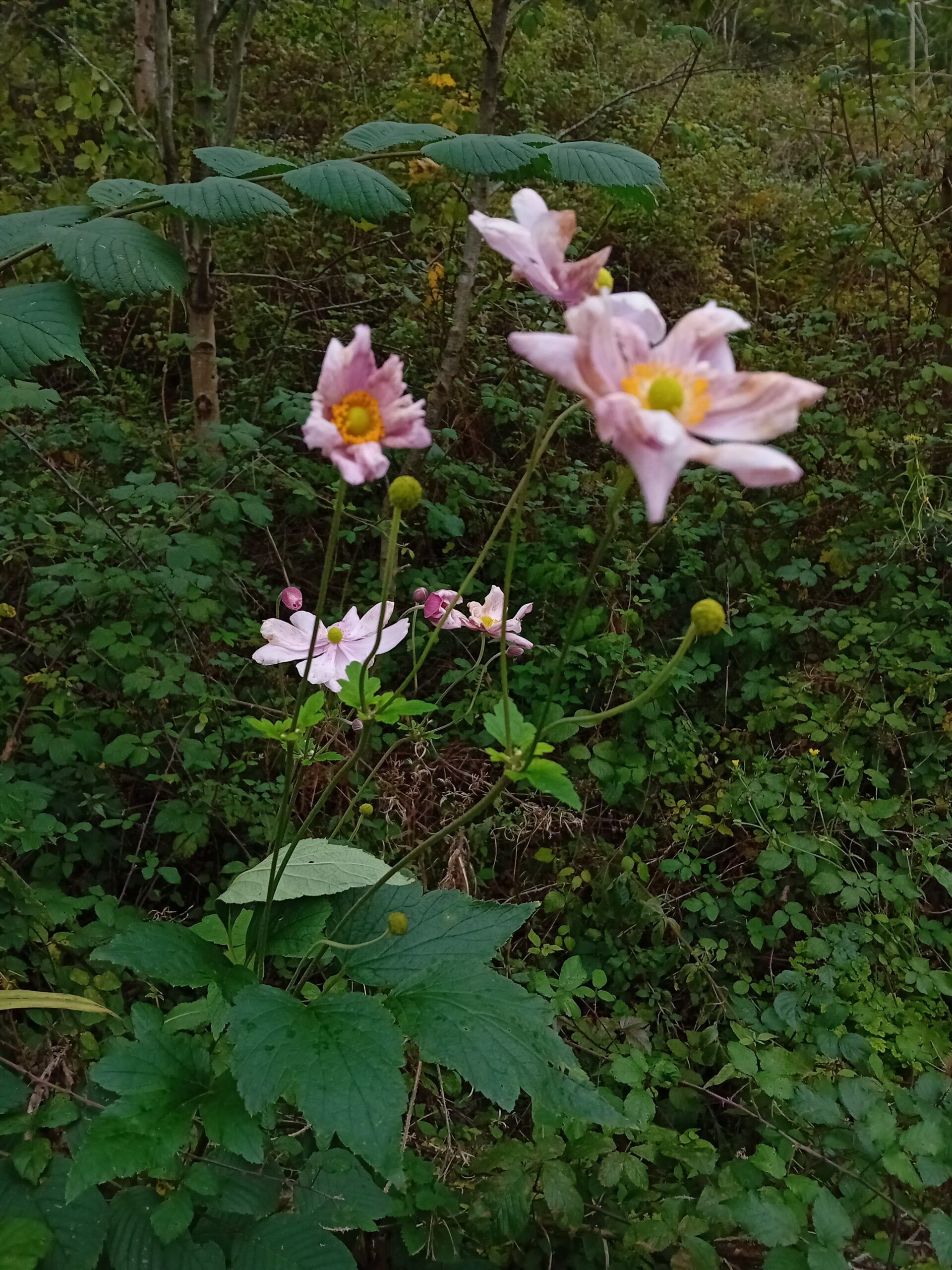
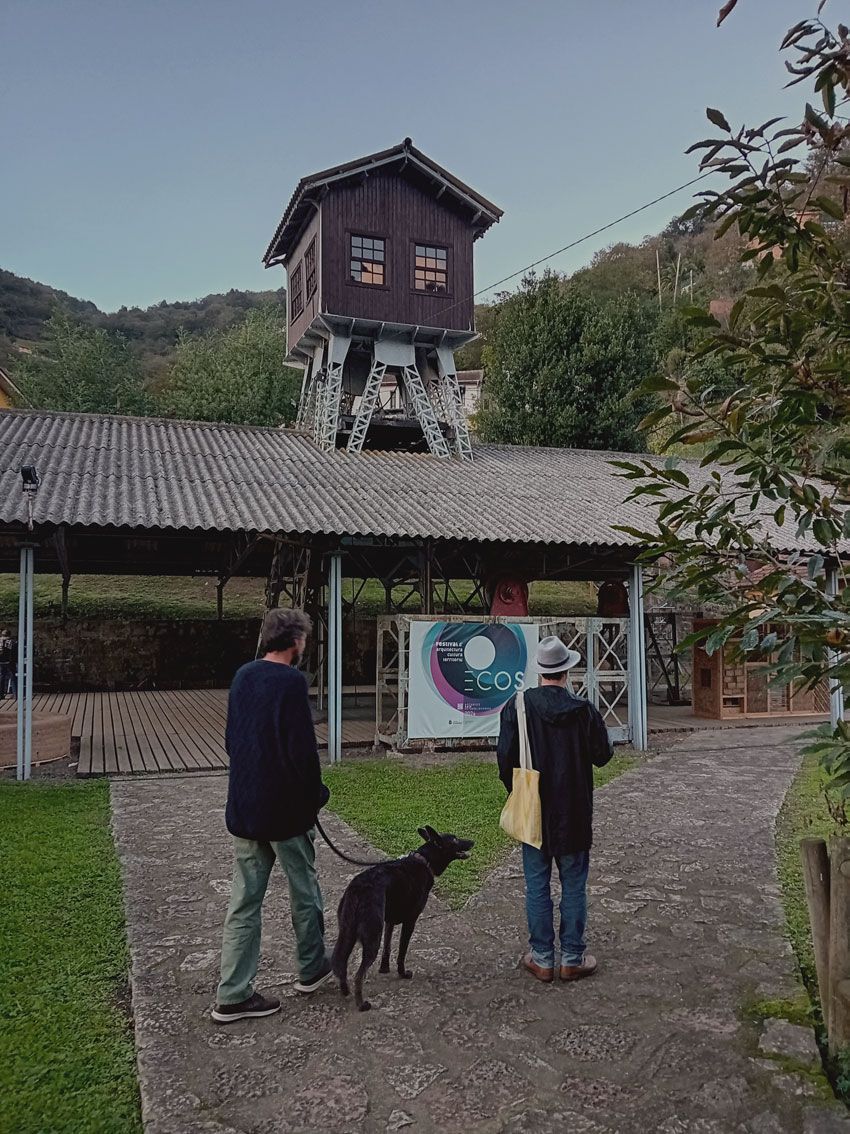
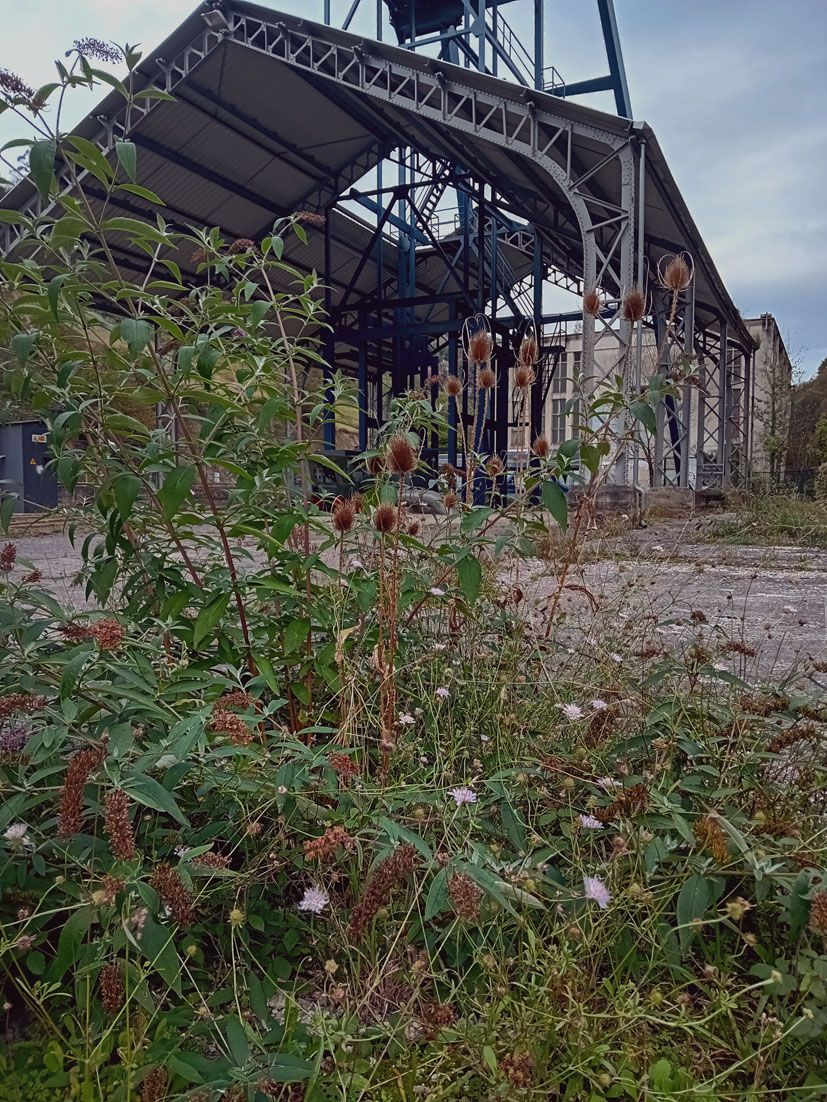
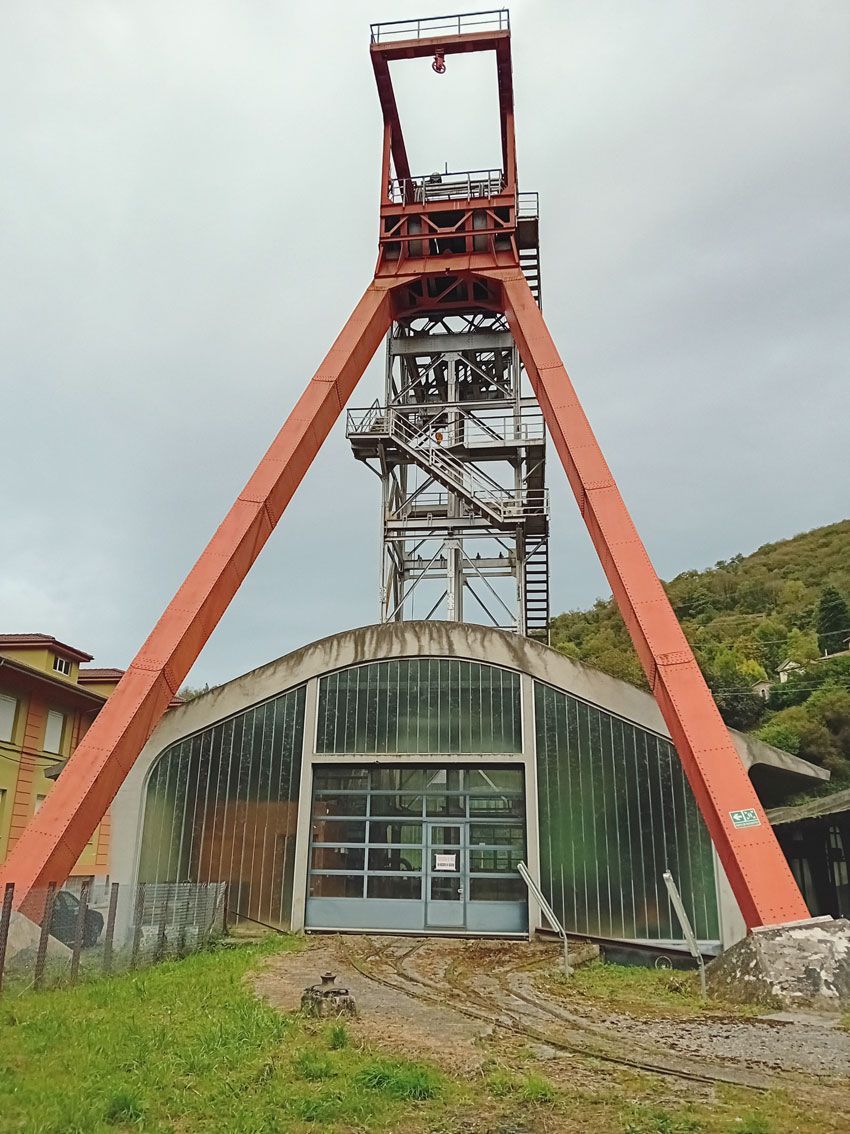
.
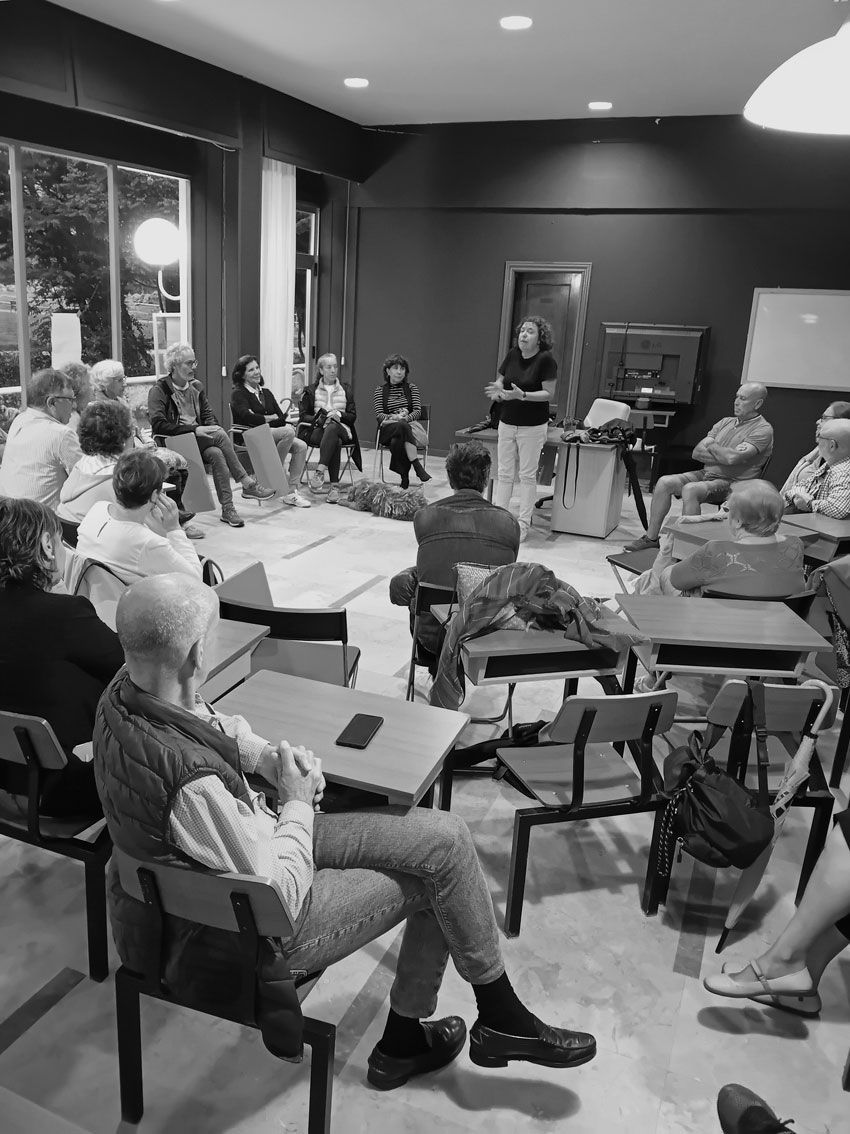
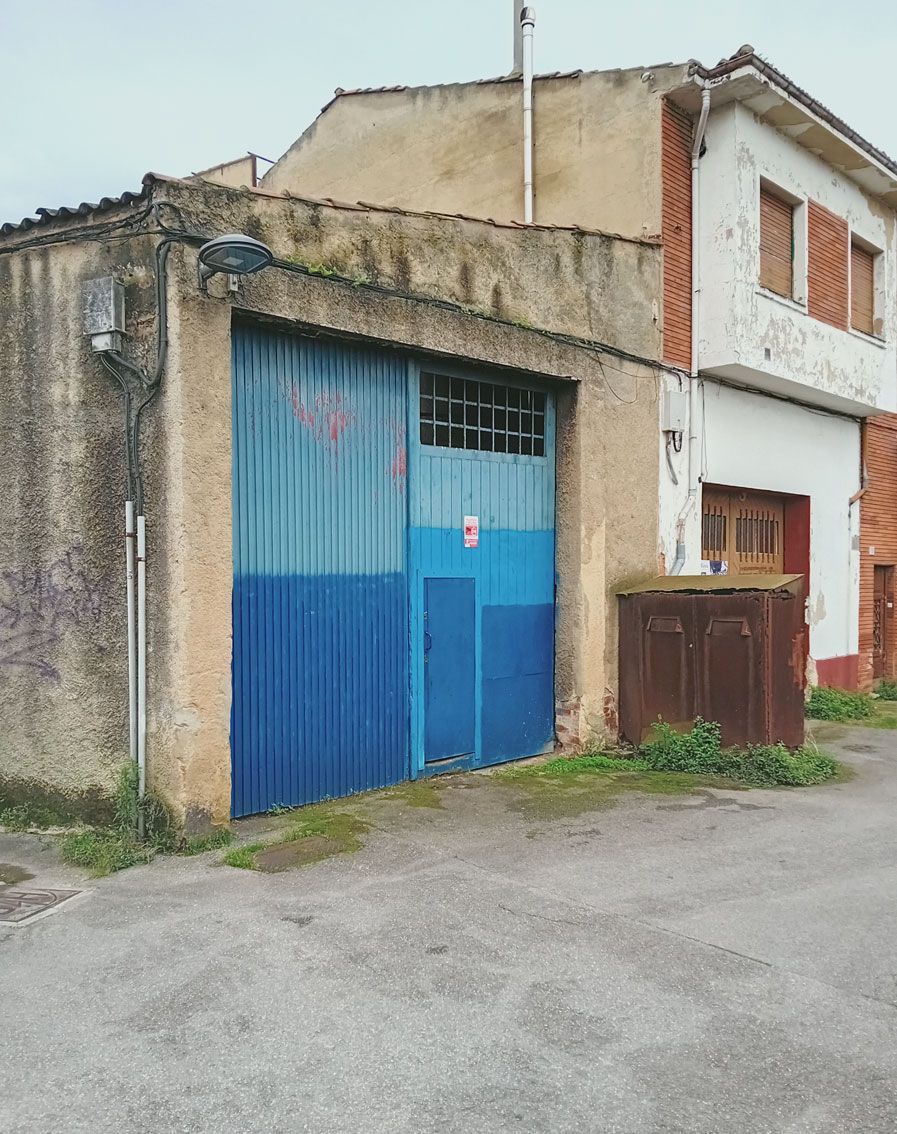
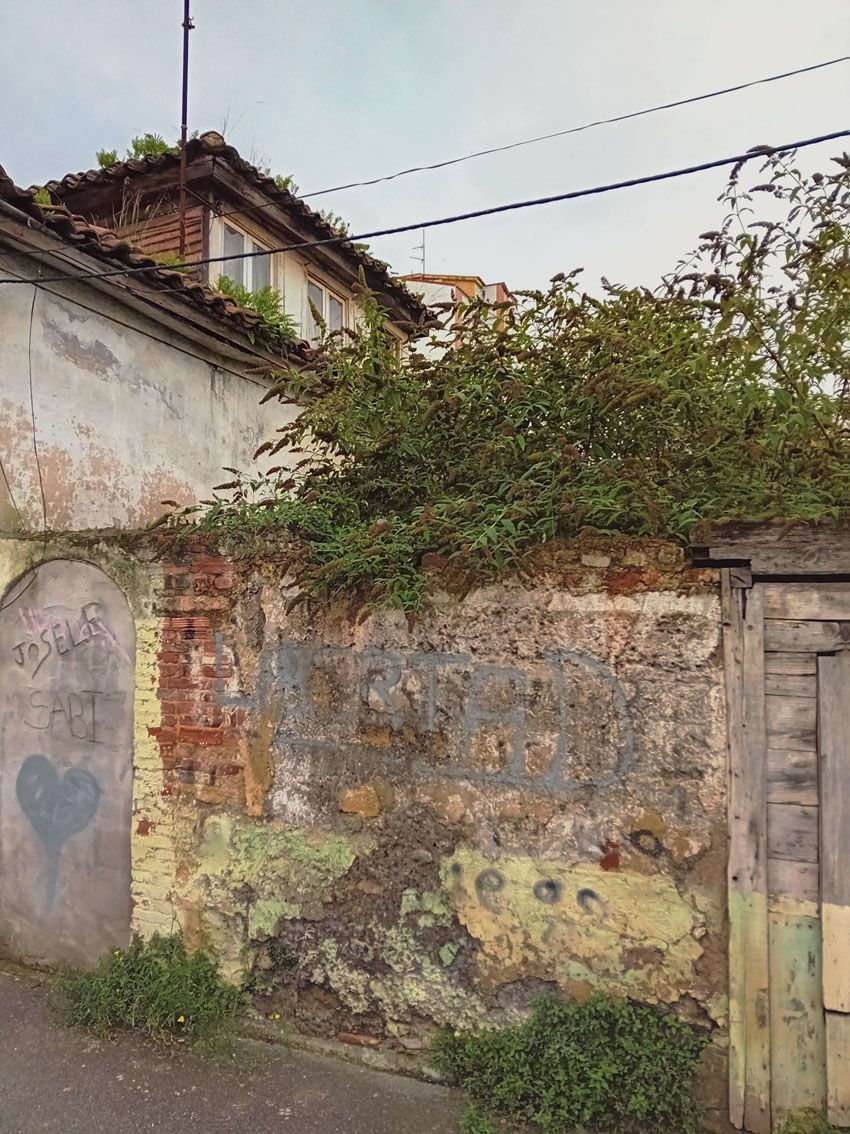
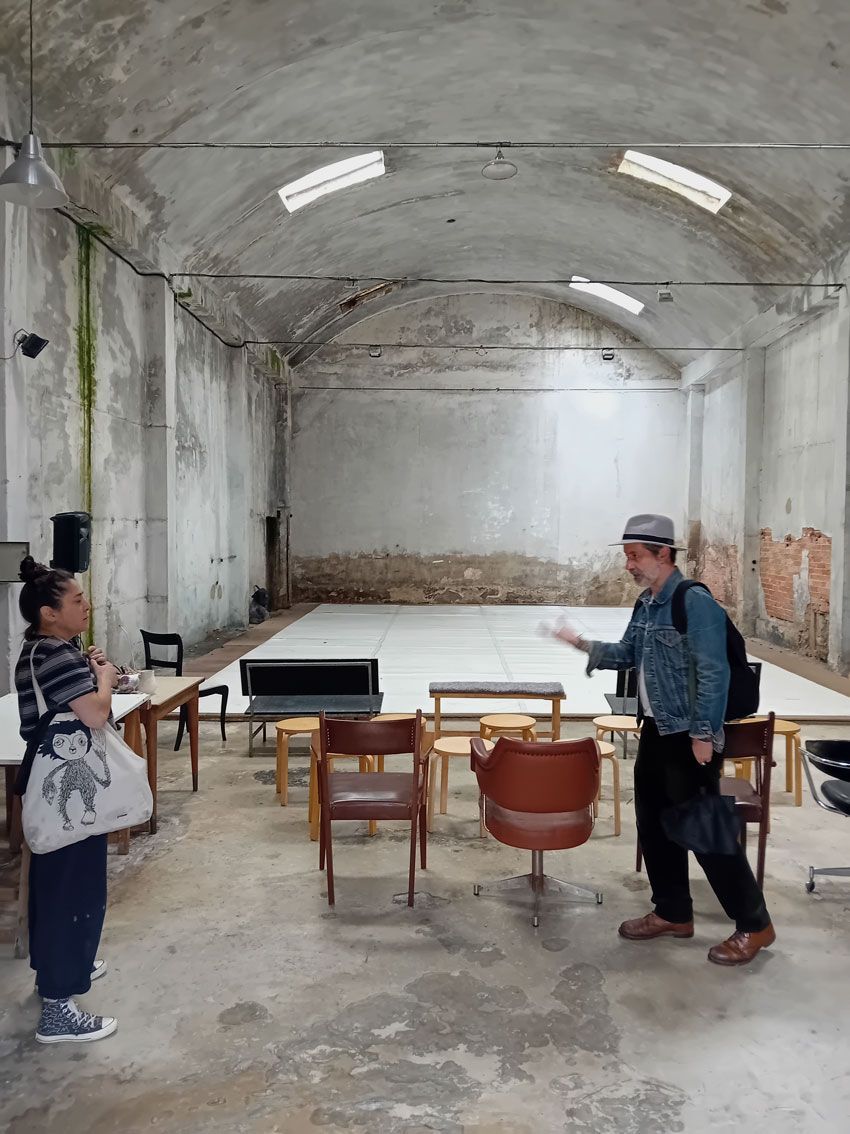
Meeting at Les Naves with artist Rebeca Martin Tassis (contemporary dancer and choreographer) in the Natahoyo (Gijón), a working-class and industrial neighbourhood, where the shipyards were located, now almost completely dismantled. The neighbourhoods in the west of the city, where the main industries have been established since the 19th century, the working-class and industrial neighbourhoods of La Calzada, El Natahoyo, El Muselín etc. are the ones that Roberto has been walking, observing, recording. ///suggested reading: Un patio gijonés. La ciudadela de Celestino Solar. Nuria Vila Älvarez
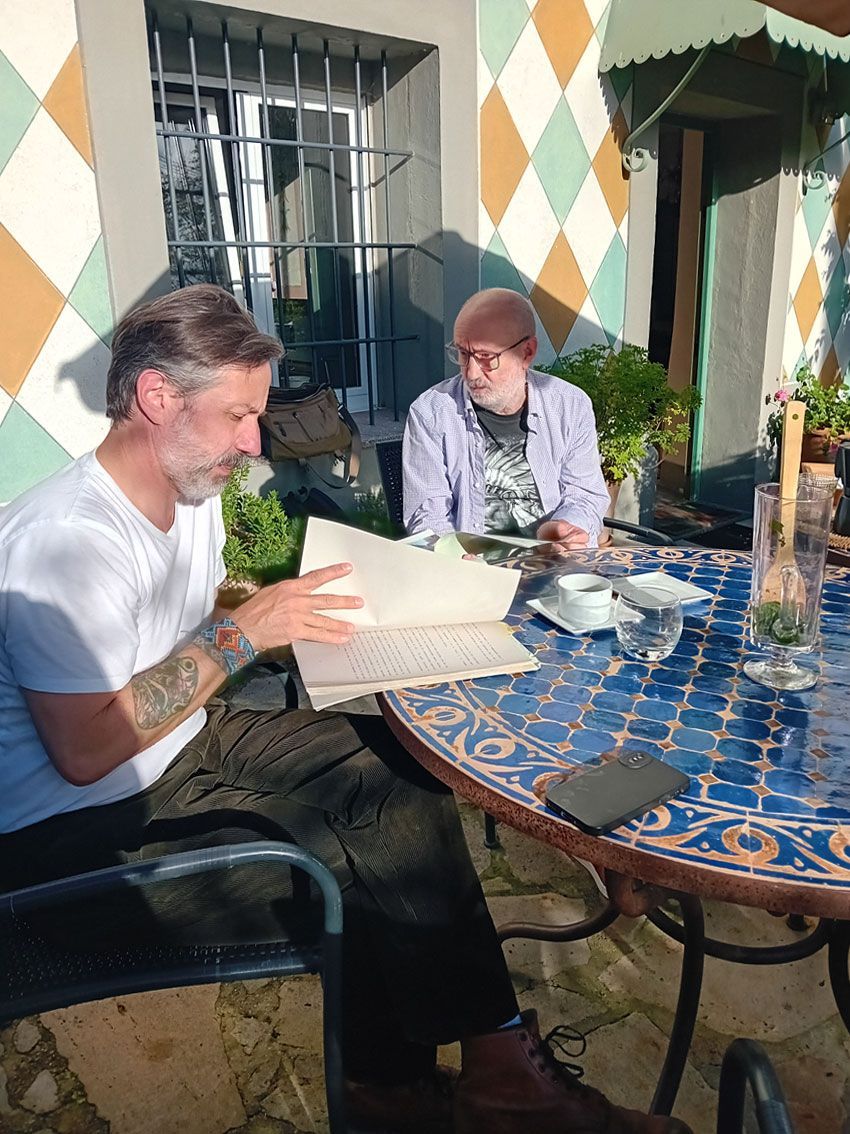
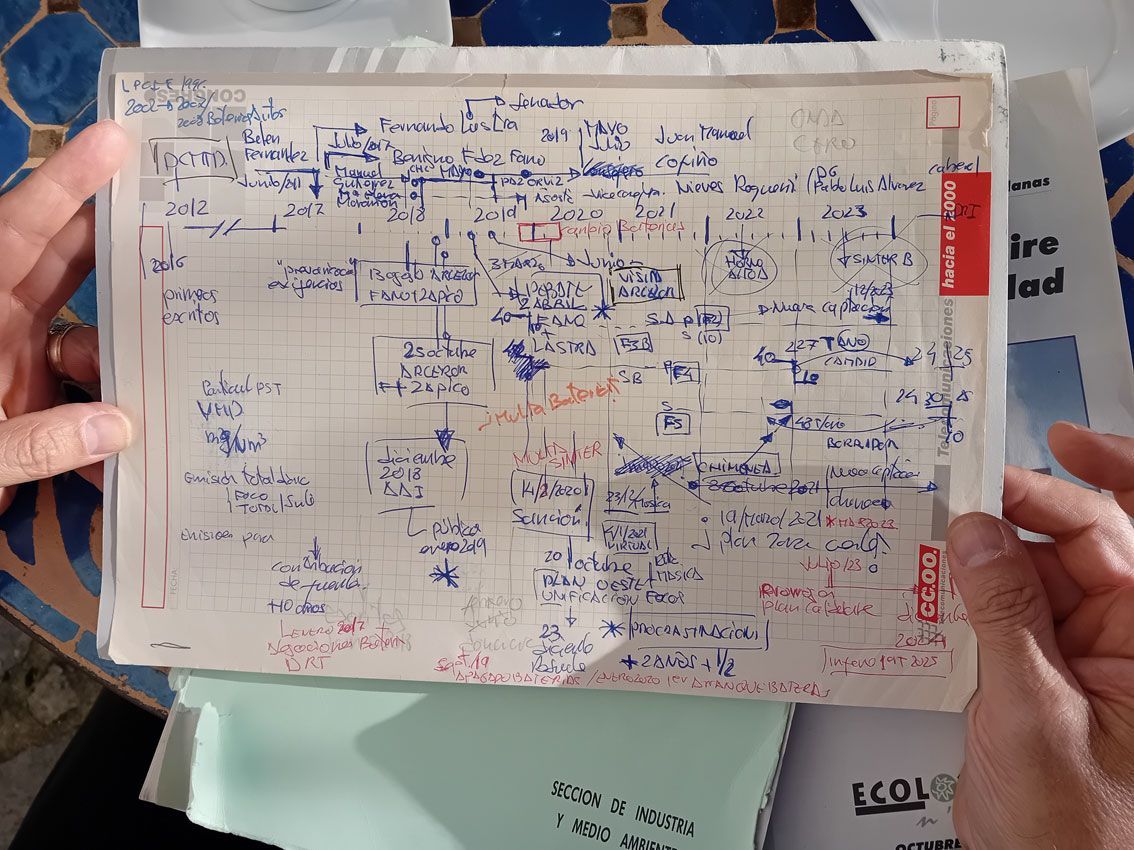
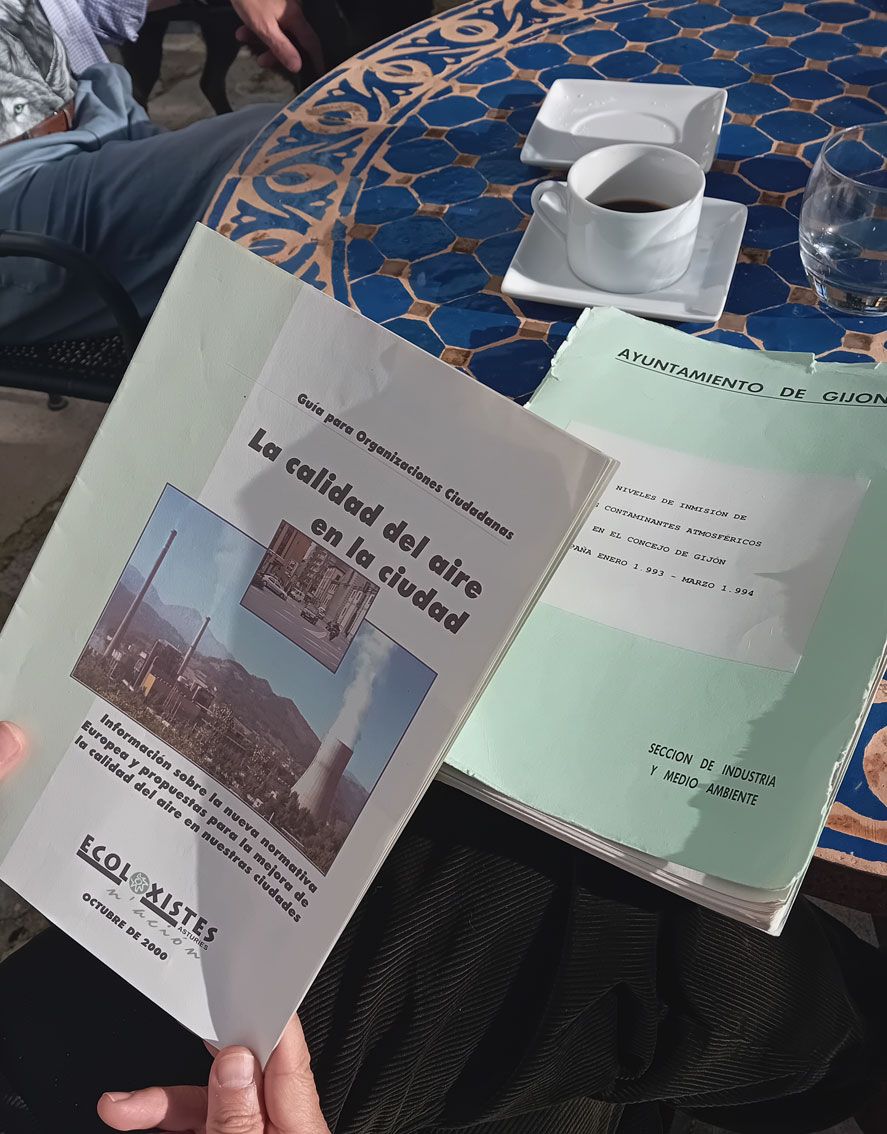
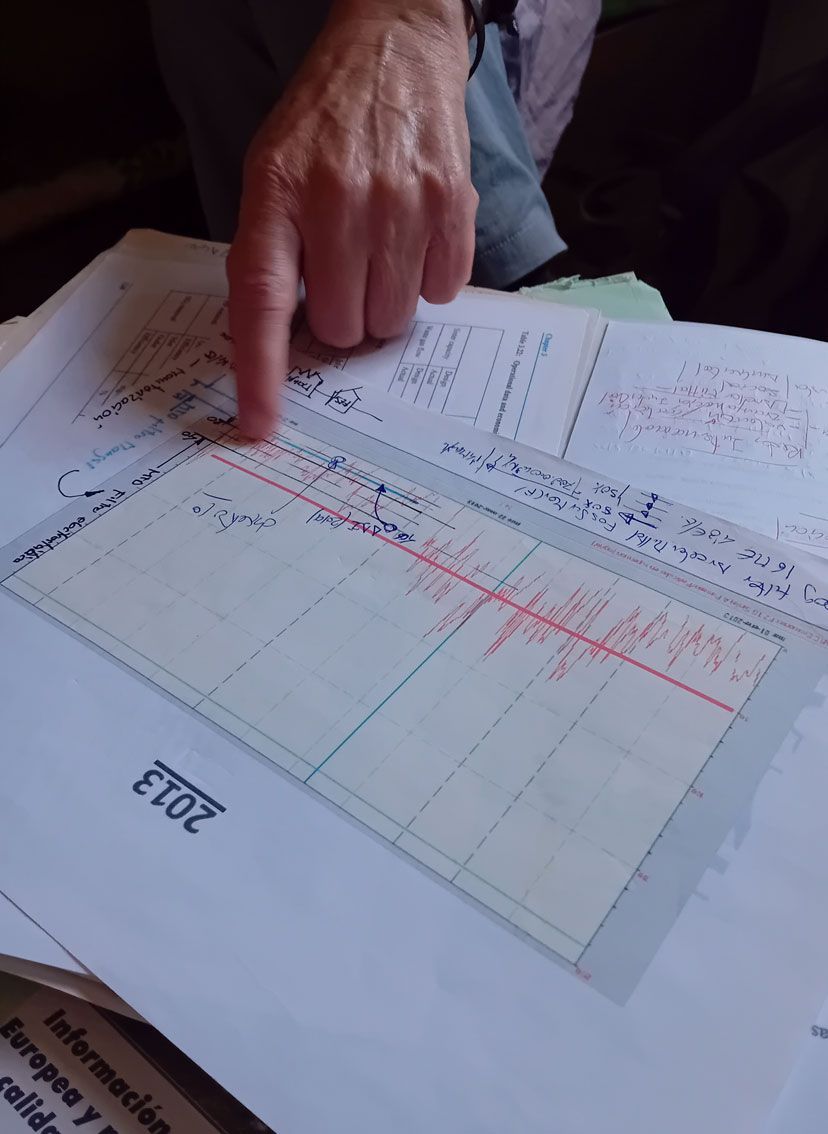
In the afternoon, meeting at PACA with Paco Ramos (Ecoloxistes n’aición Asturies), we met him for the first time during an open meeting organized by «Plataforma contra la contaminación».With great generosity he explained to us about research carried out, initiatives, achievements obtained thanks to social pressure and dialogue, thanks to experts who dedicate their work to the common good. He spoke to us about air pollution and quality measurement systems, noise maps, the relationship with people’s health…
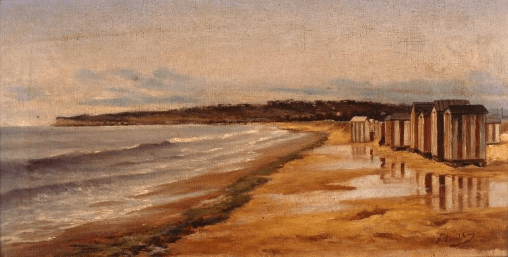
Lavilla Vicchi, Nemesio (Gijón, 1859 - 1946)Bahía de San Lorenzo,1892 (ca) – Colección Museo Casa Natal de Jovellanos. Gijón. fuente: CERES ref.1707
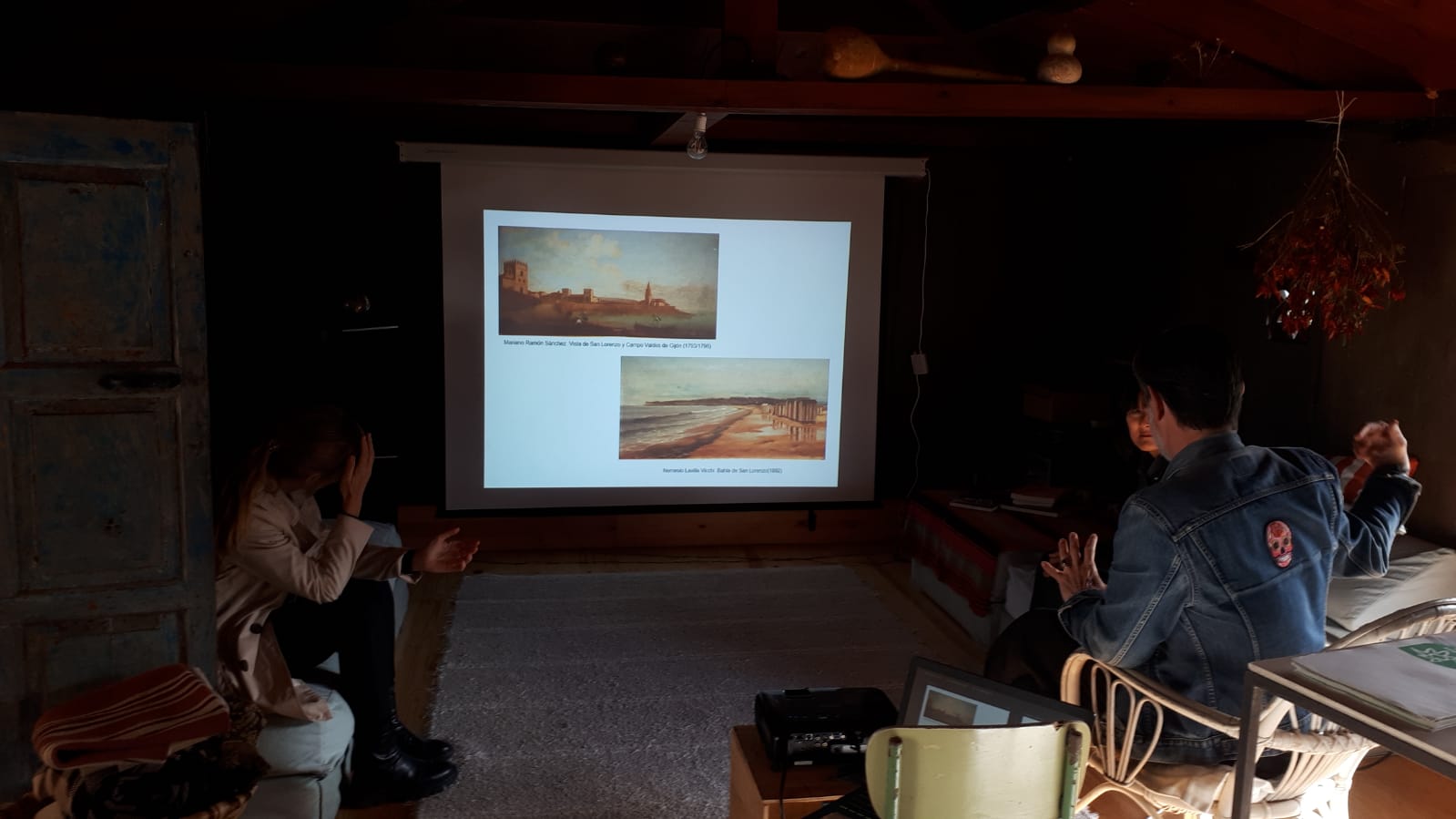
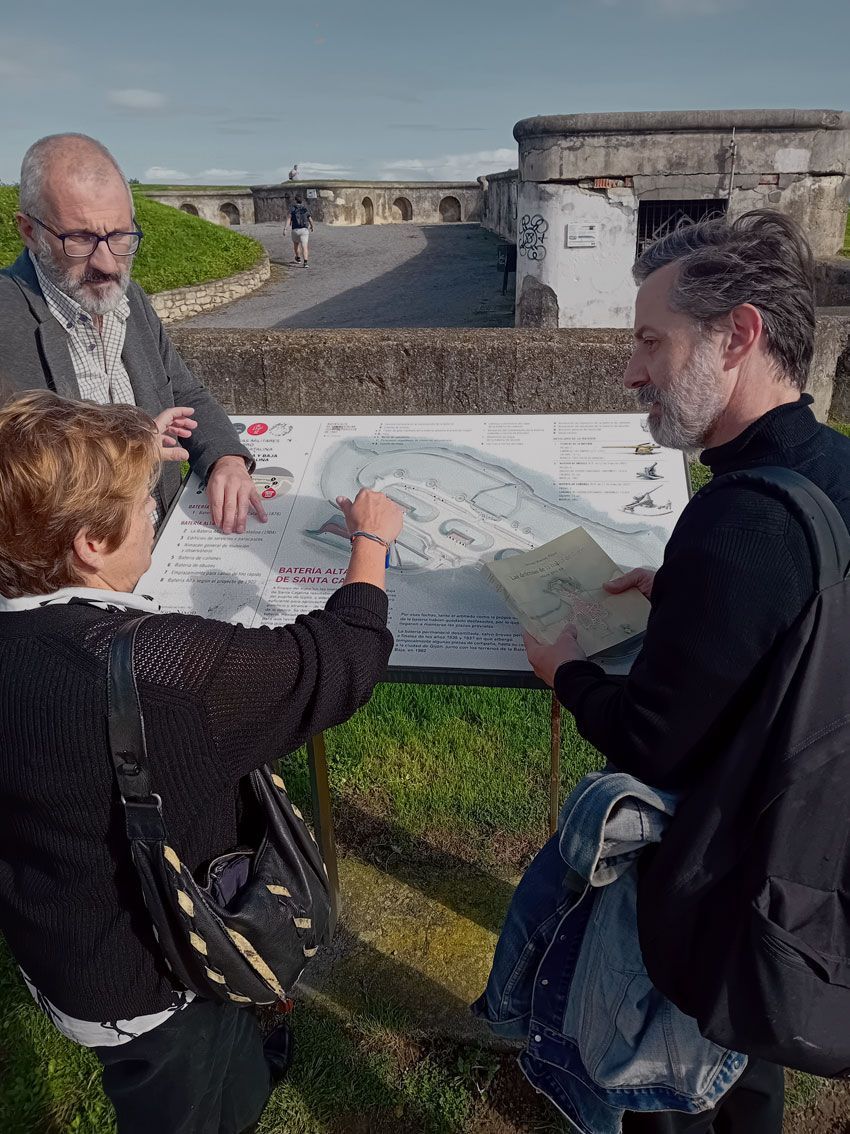
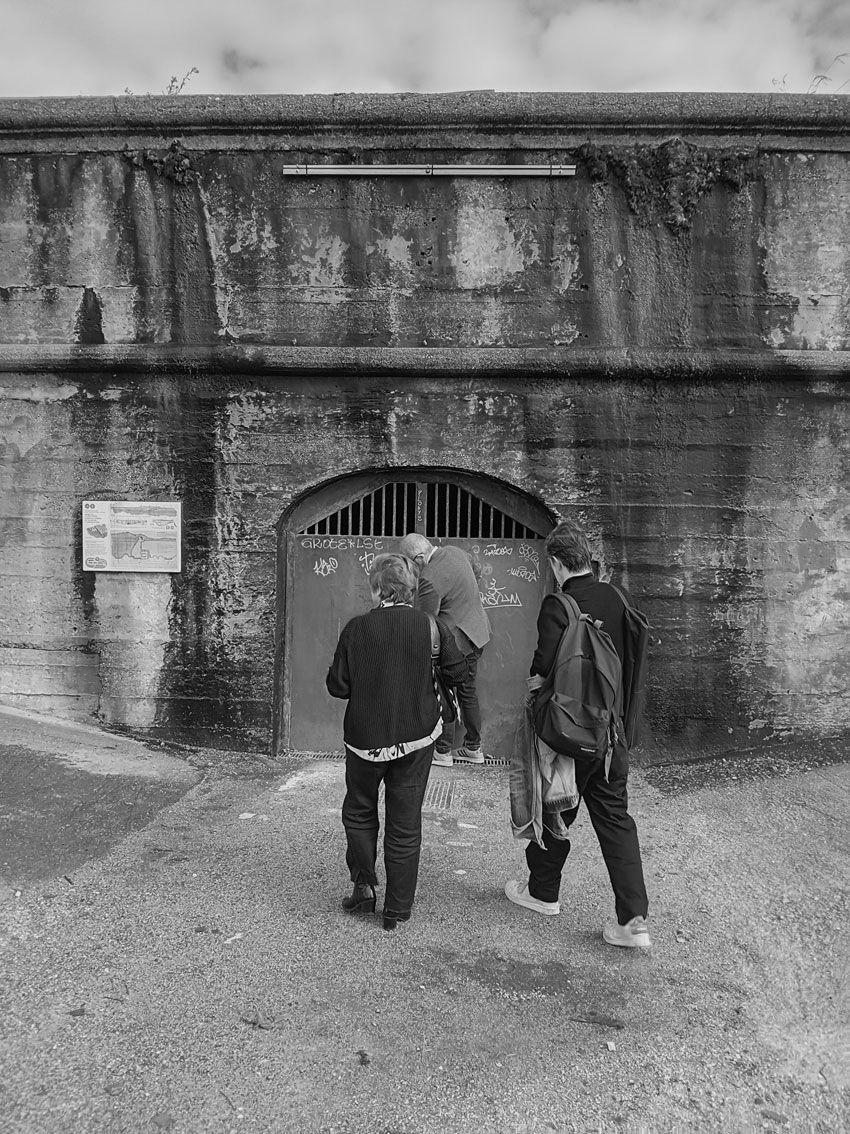
Meeting at LABoral Centro de Arte y Creación Industrial, with Patricia Villanueva. Visit to the interior of Santa Catalina Fortress. This was the Shooting Day at ‘El Musel’! and the day after a wonderful visit from the NL embassy (thanks Hanna and Gemma!).
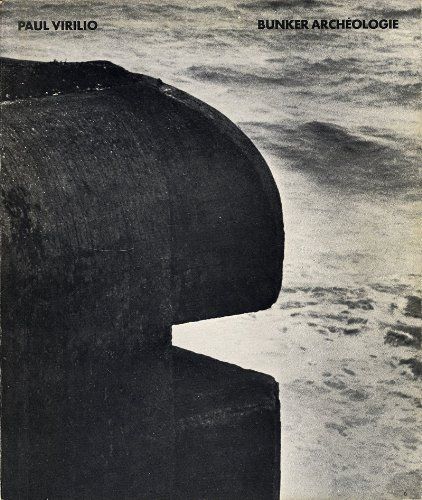
We are especially grateful to Paloma García Díaz, director of the Archaeological Museums of Gijón, who accompanied us and allowed us to enter, exceptionally, into the bunker, specifically in the observatory area located just below Chillida’s Elogio del Horizonte, where before the military fortification the old church of Santa Catalina was located. Axes, perspectives, stratigraphy, from the Roman period to the present, archaeology of the crypt, archaeology of the place and the landscape, uses, symbols, strategies, architecture, views.
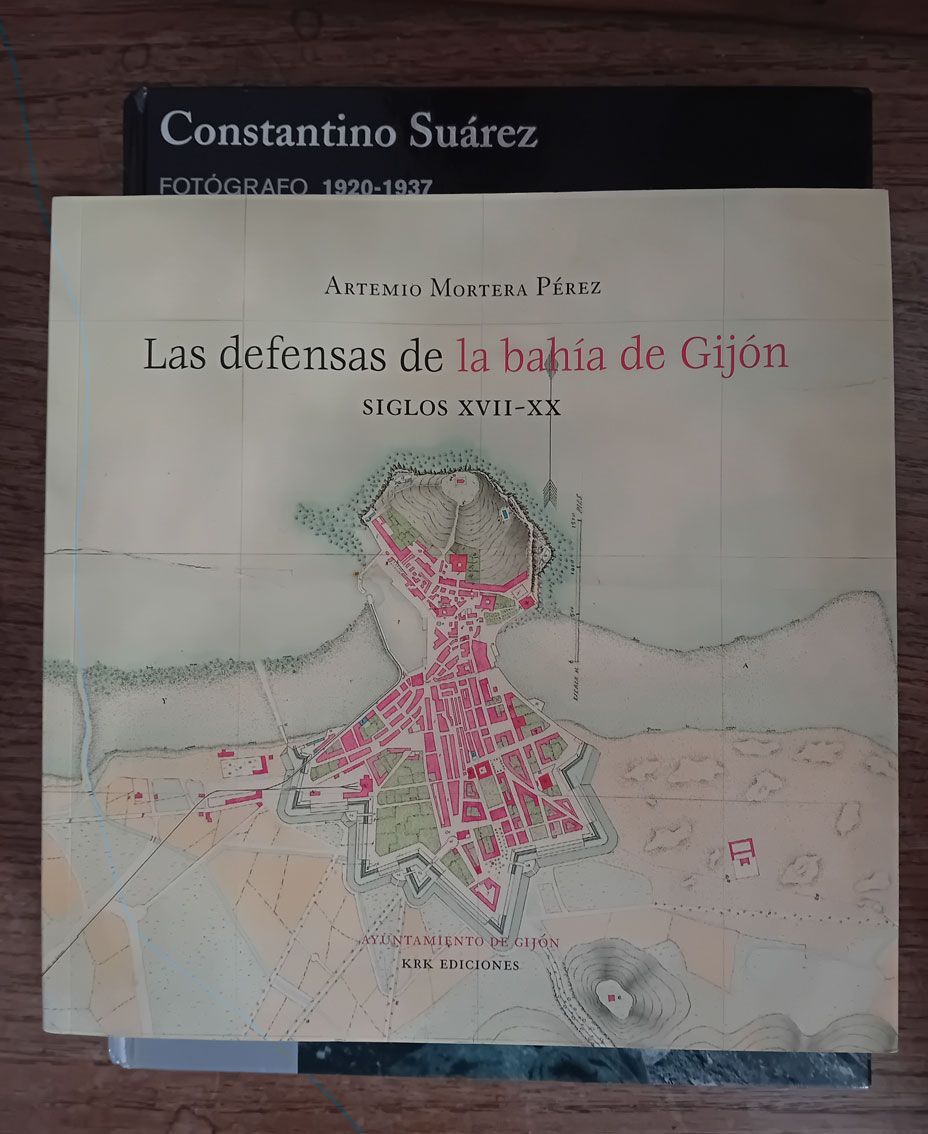
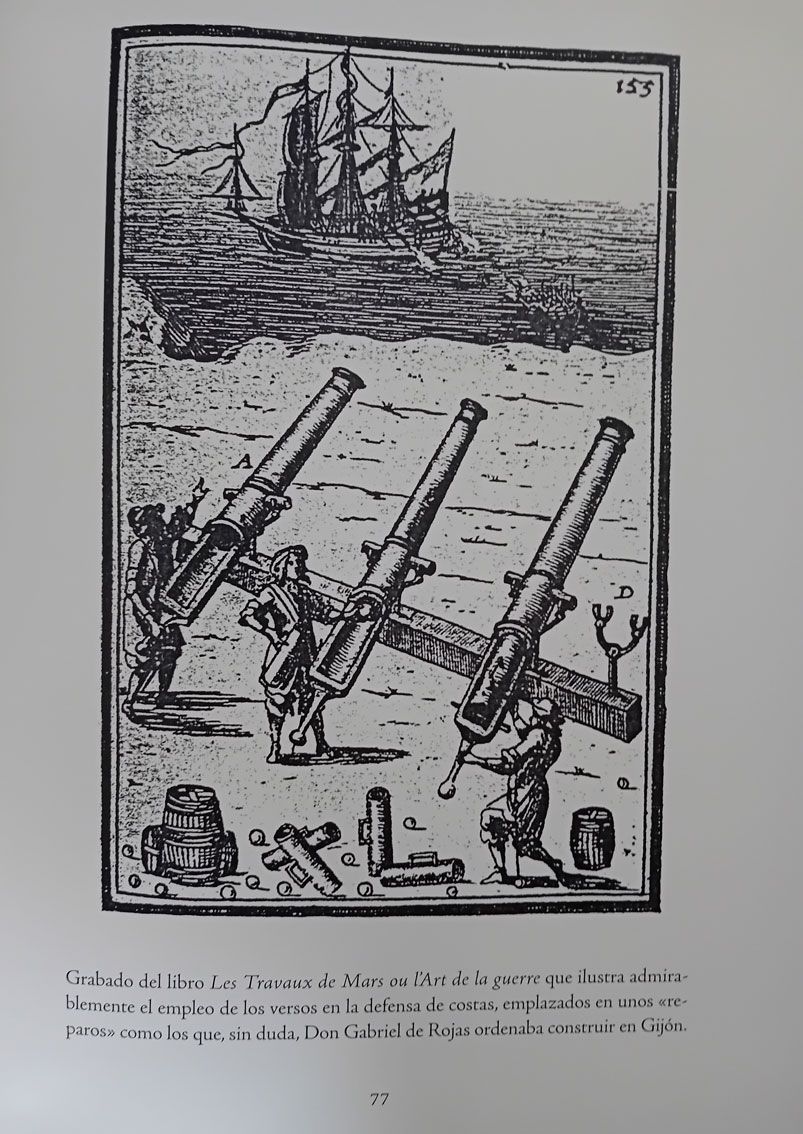
We are also grateful for the wonderful publications «Defensas de la bahía de Gijón, ss. XVII-XX» by
Mortera Péerez, Artemio (edited by KRK ediciones) and the discovery that was for Roberto the work of the local photographer Constantino Suárez: Thanks for the generosity of Paloma García and staff of Muséu del Pueblu d’Asturies.
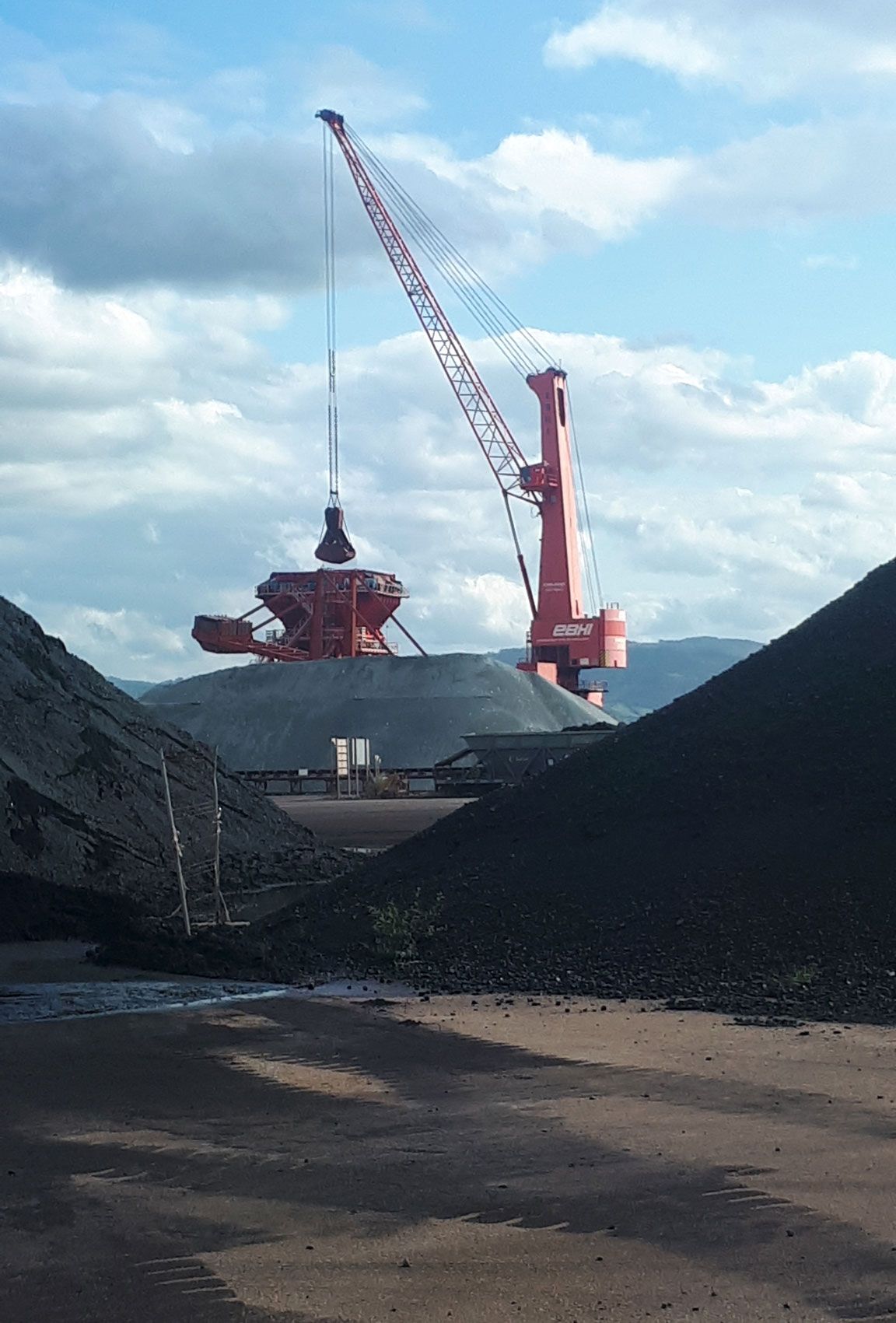
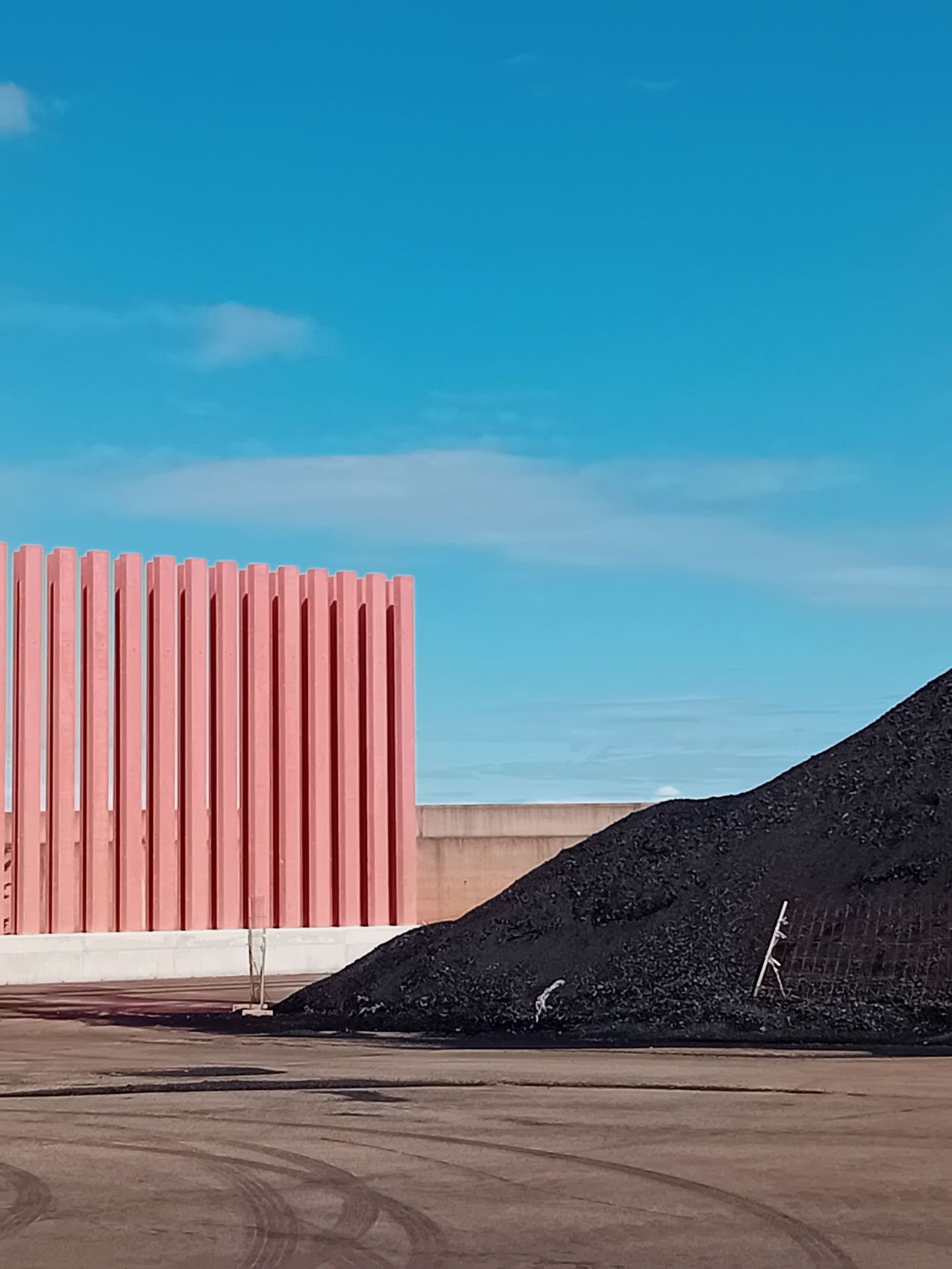
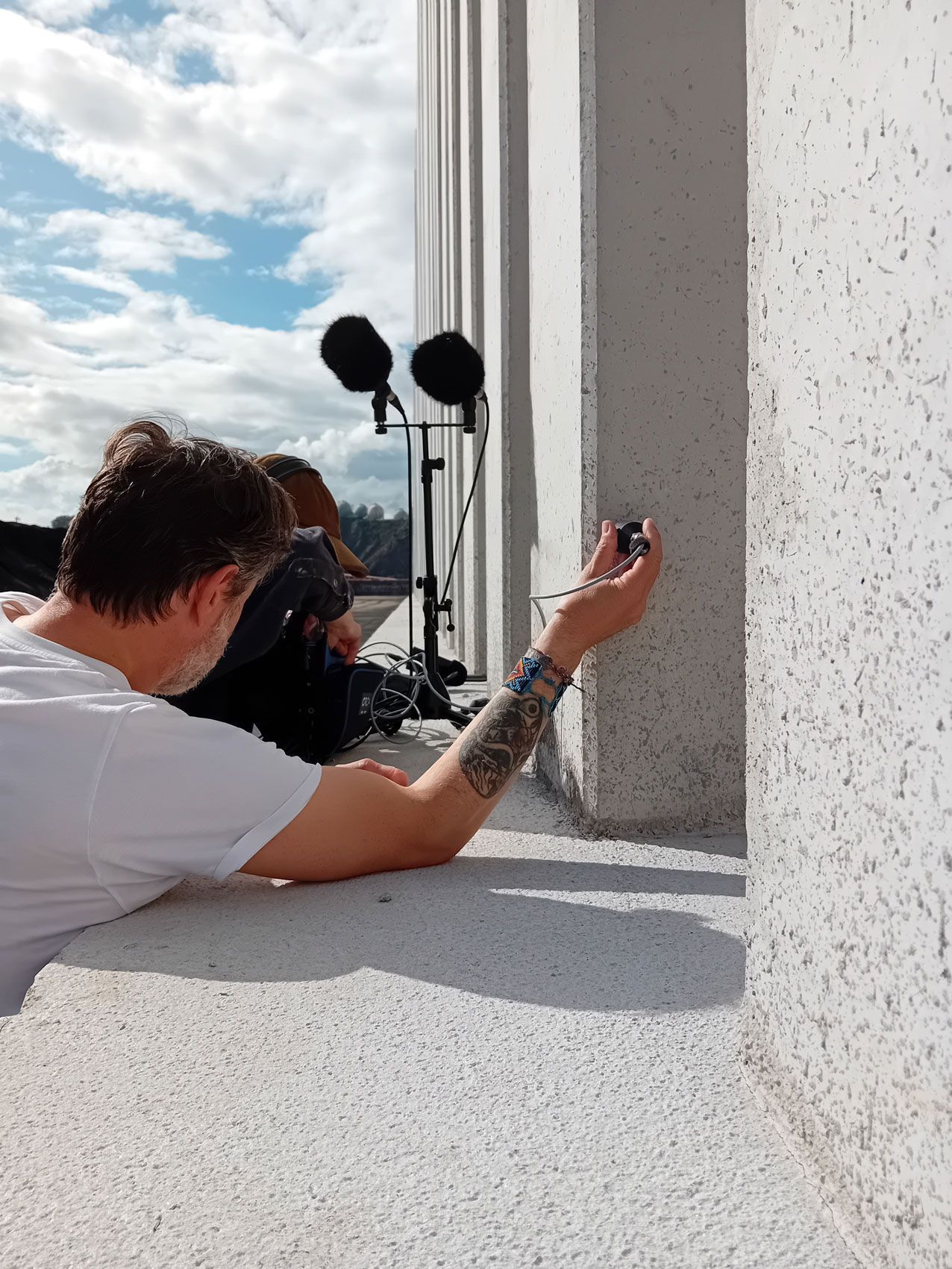
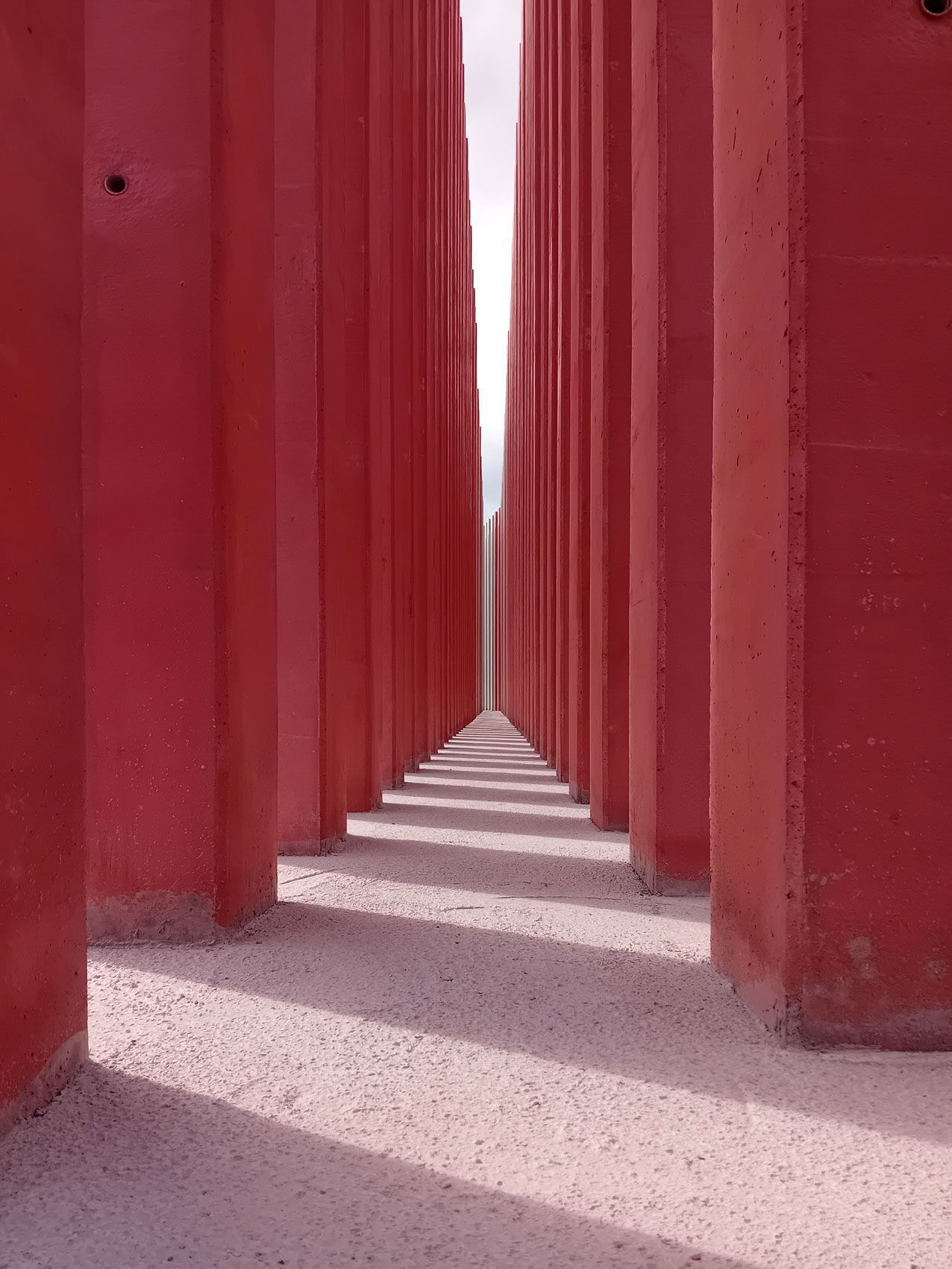
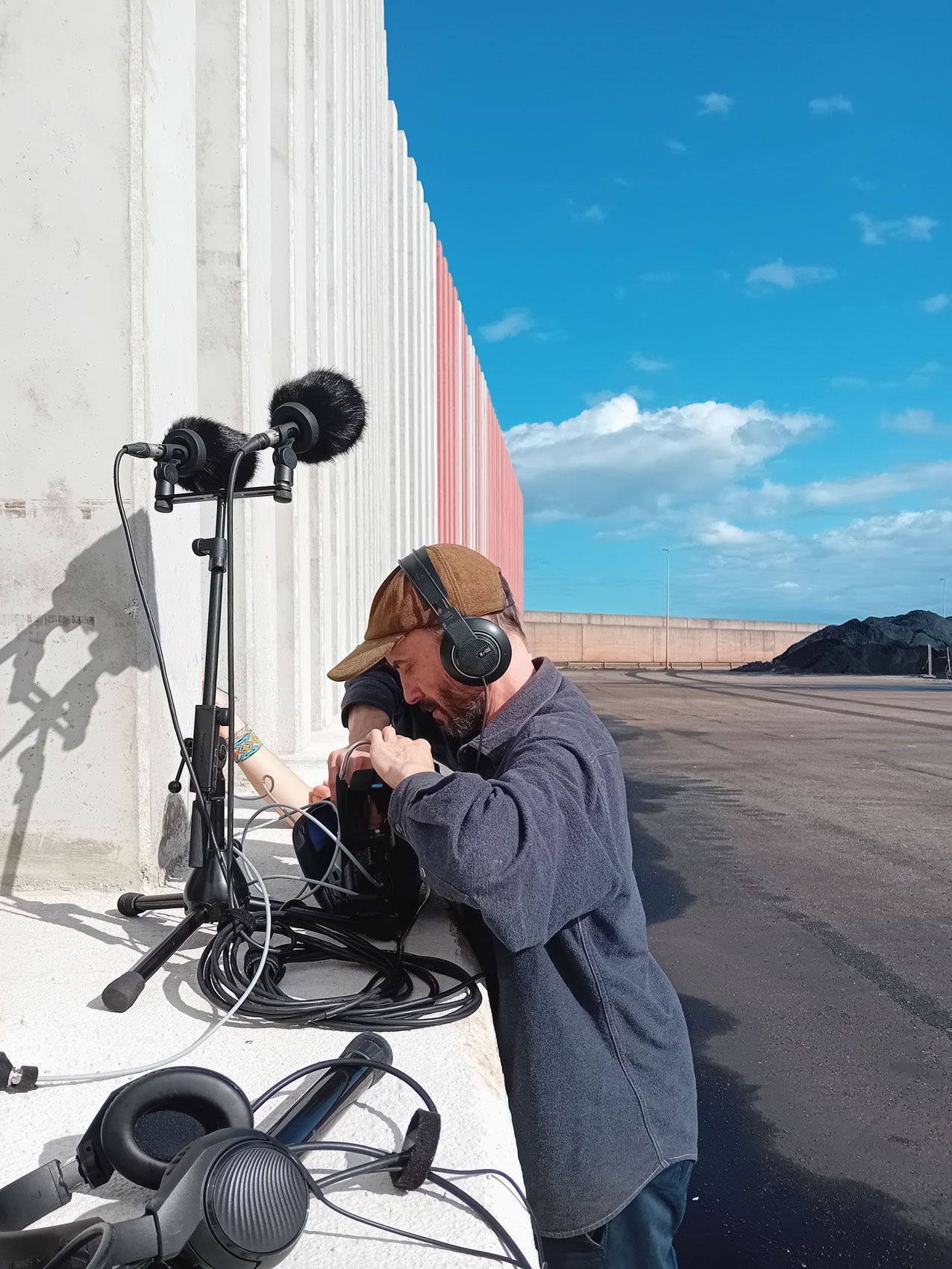
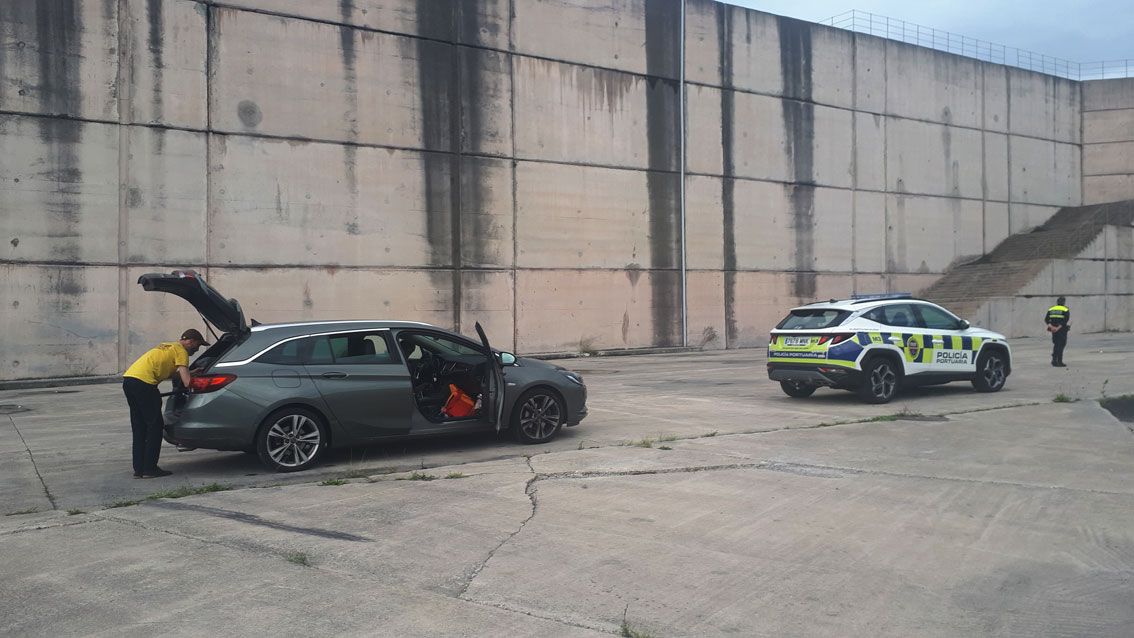
And yes!! Finally we obtained permission to make the recordings in El Musel. Our thanks to the port staff, the port police, who were always friendly, who facilitated access to the port, images from the archive, etc. Impressive.
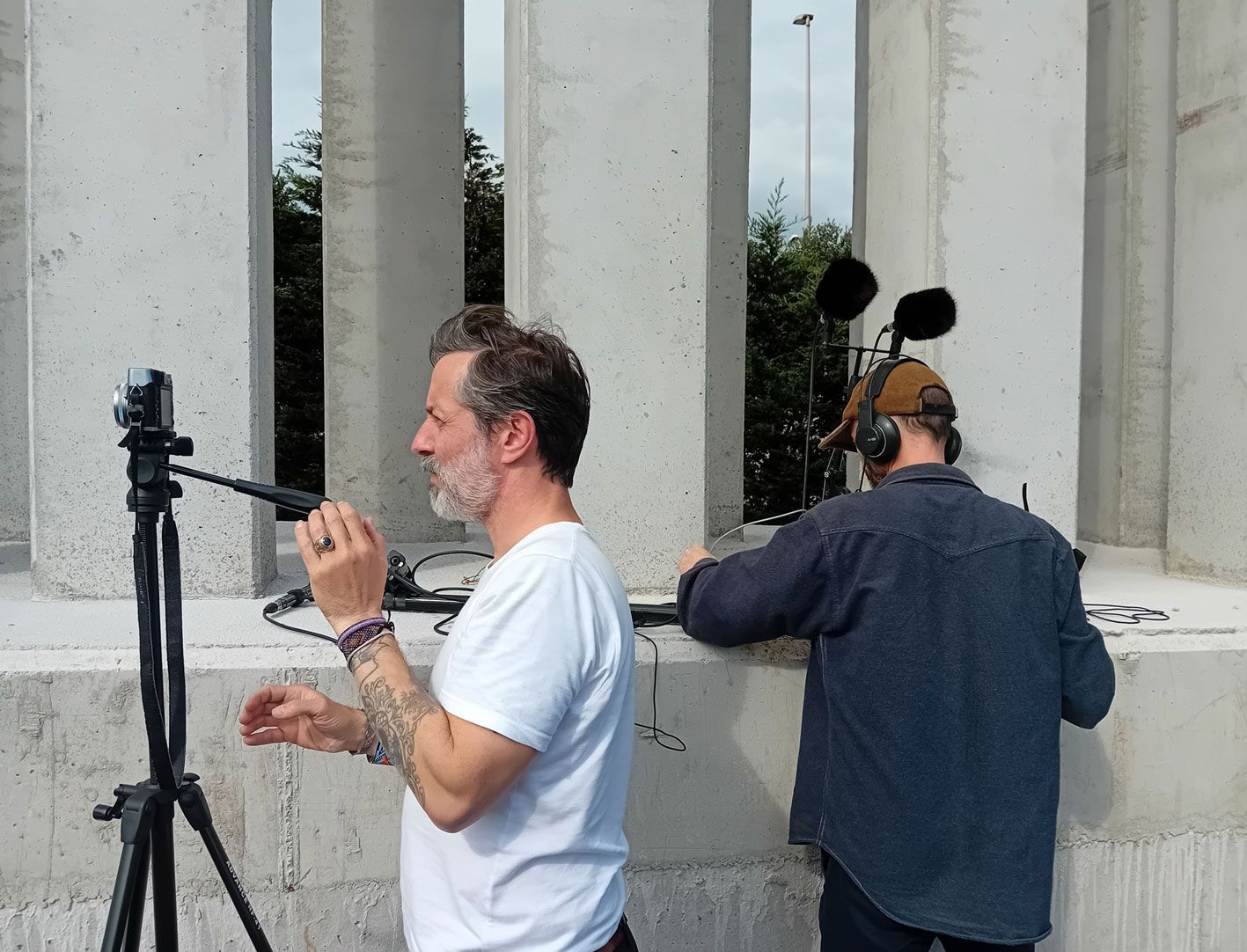
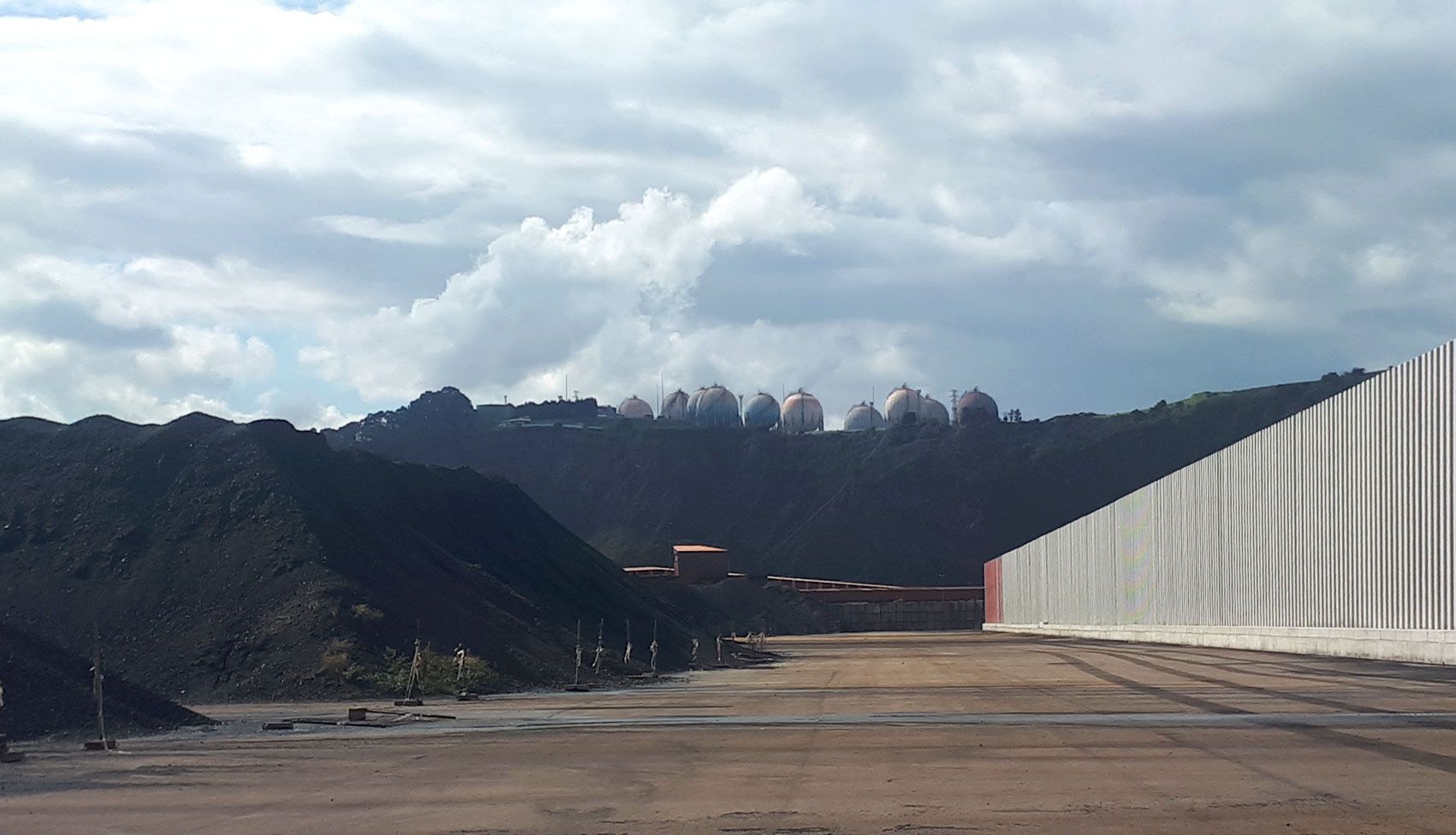
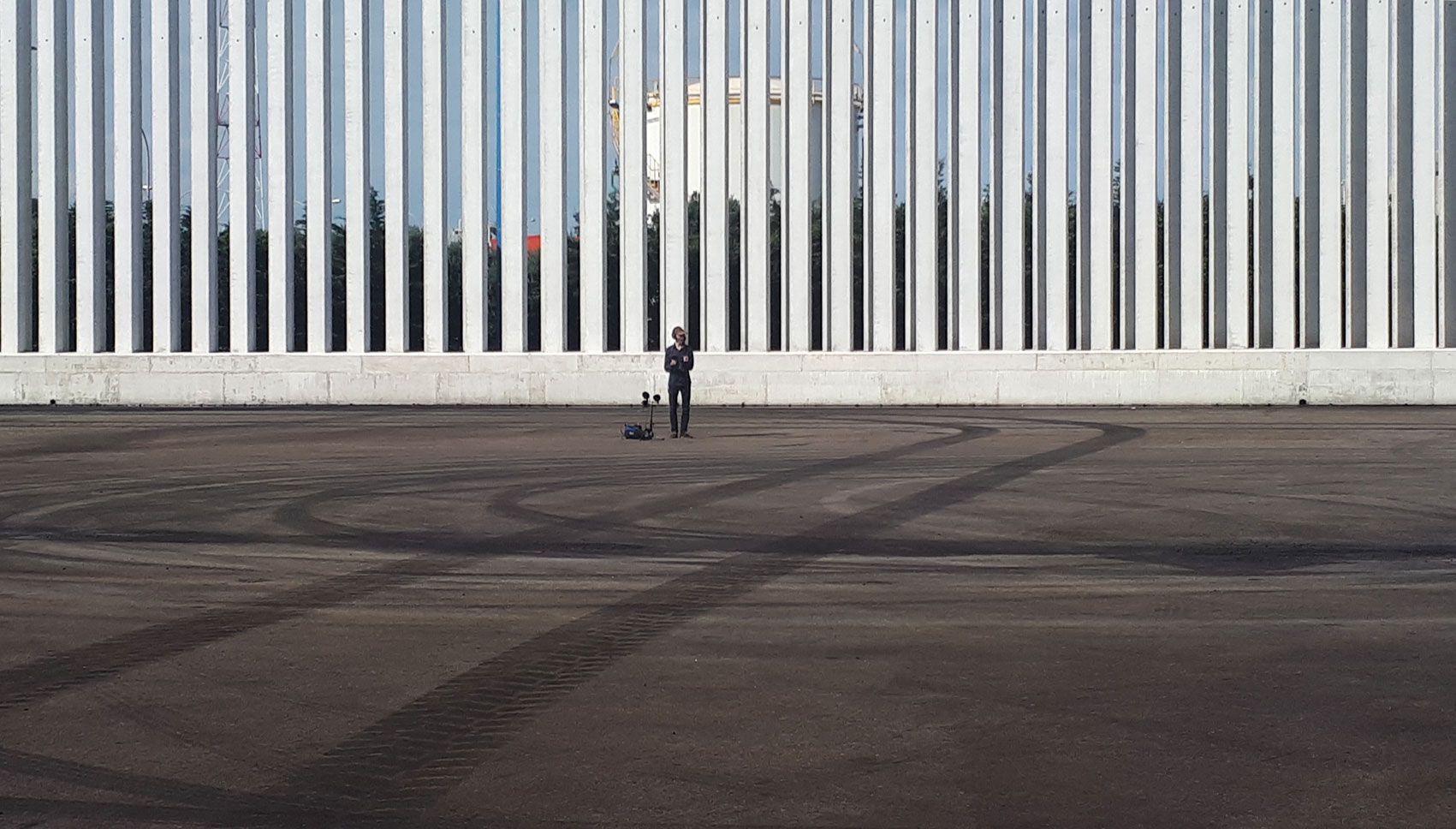
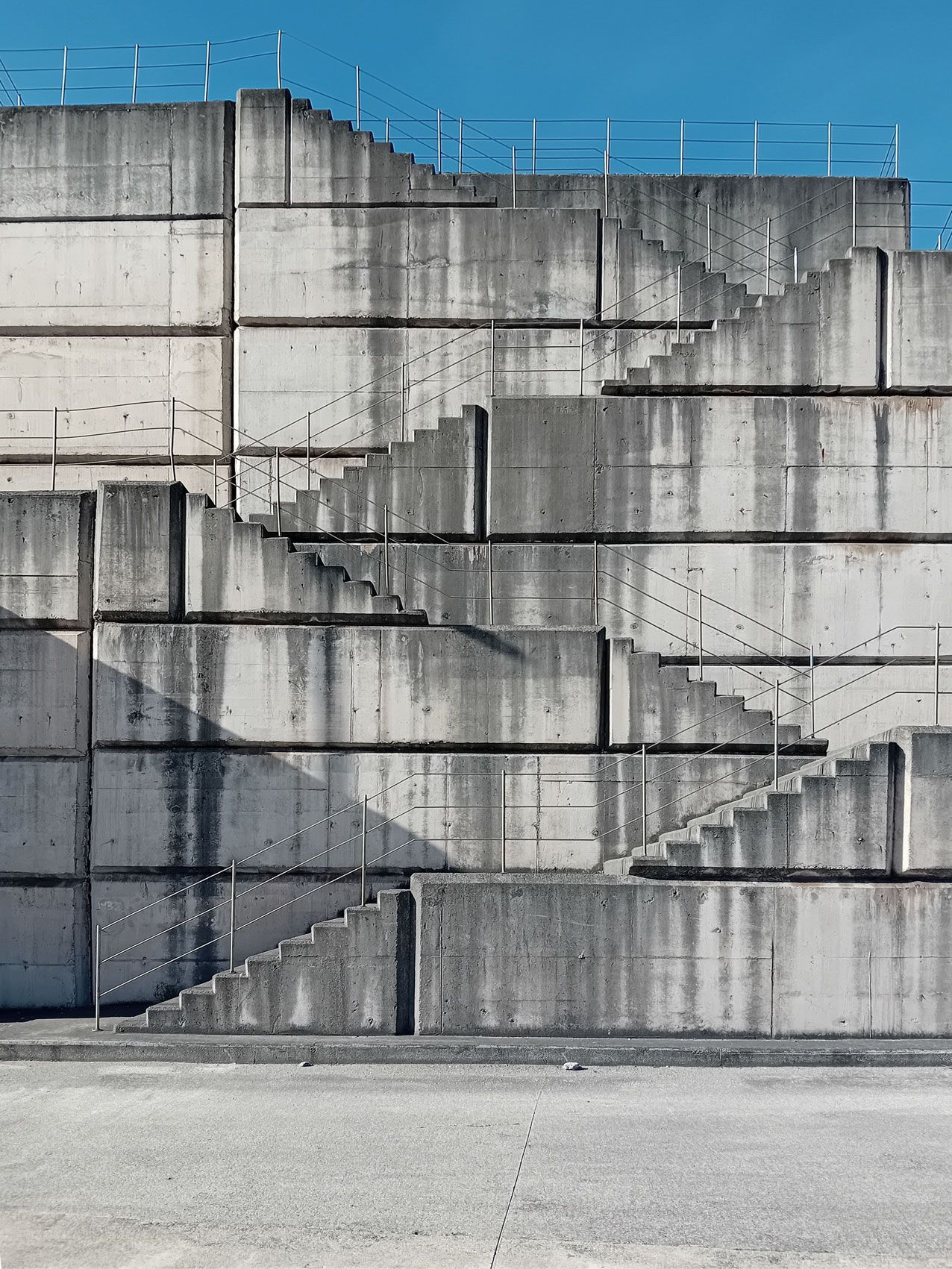
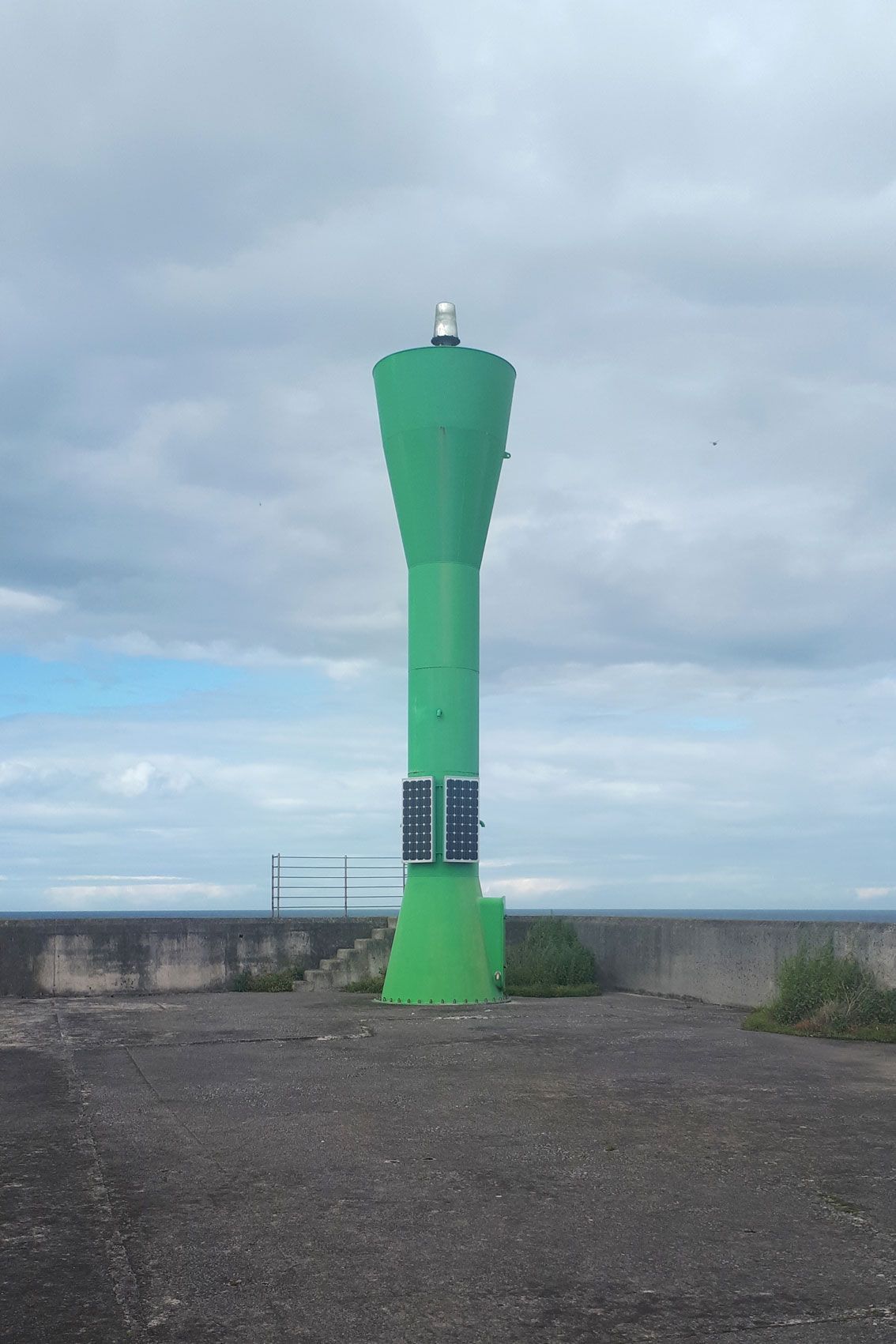
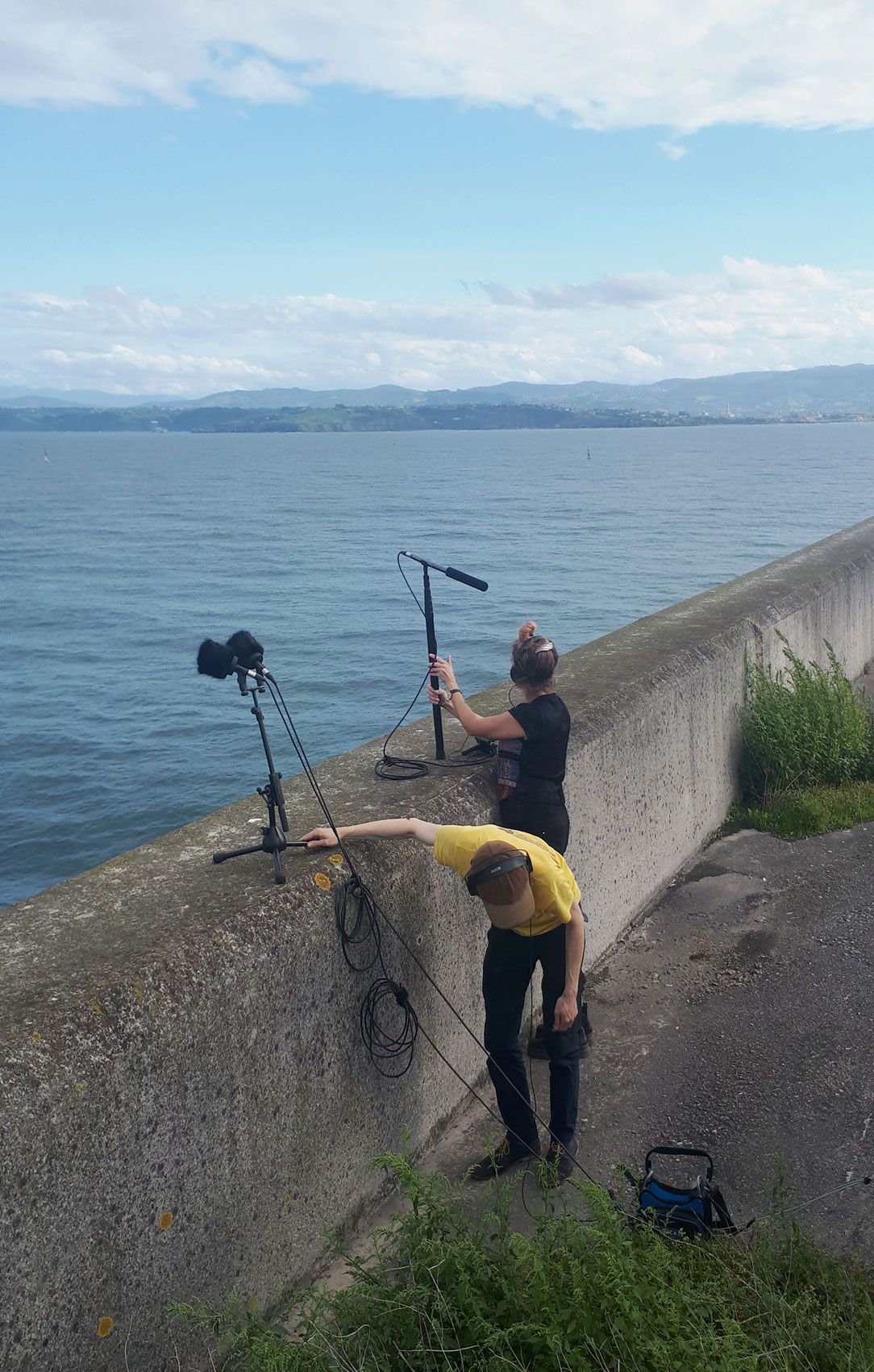
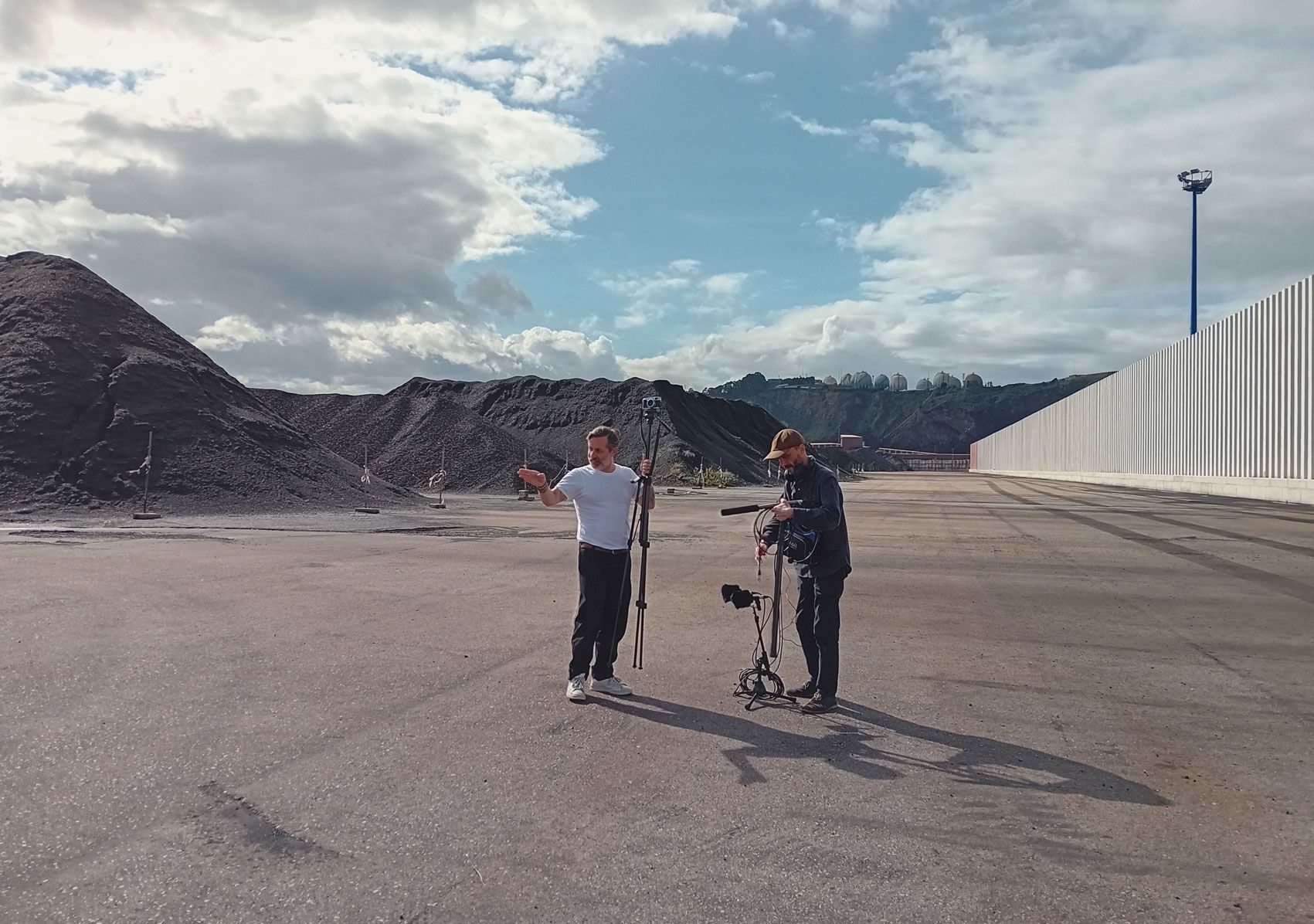
Ode to a port where the enormous scale and engineering meet beauty, the history of art resonates in me and the poetics of sound immerses you in space and facilitates contemplation.
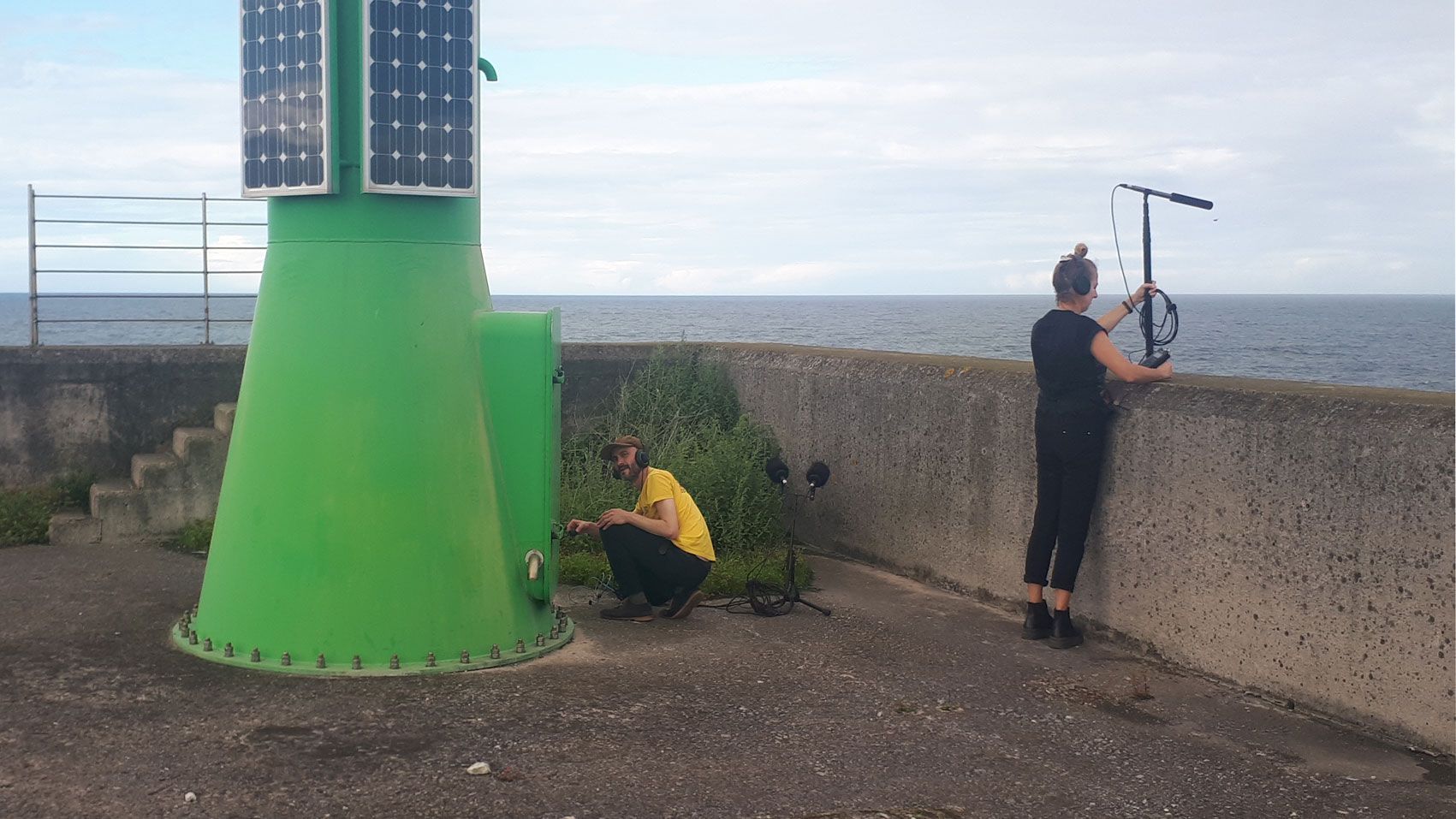
Green beacon. Paolo Uccello’s hat, from the courts portrayed by Gentile da Fabriano or Benozzo Gozzoli, Venetian chimneys at the maritime meeting between East and West. Beautiful, green, there is also another black and yellow one. Powerful, vertical, somewhat Renaissance, somewhat oriental.
Each one sees what he knows and thus reconstructs what he has seen.
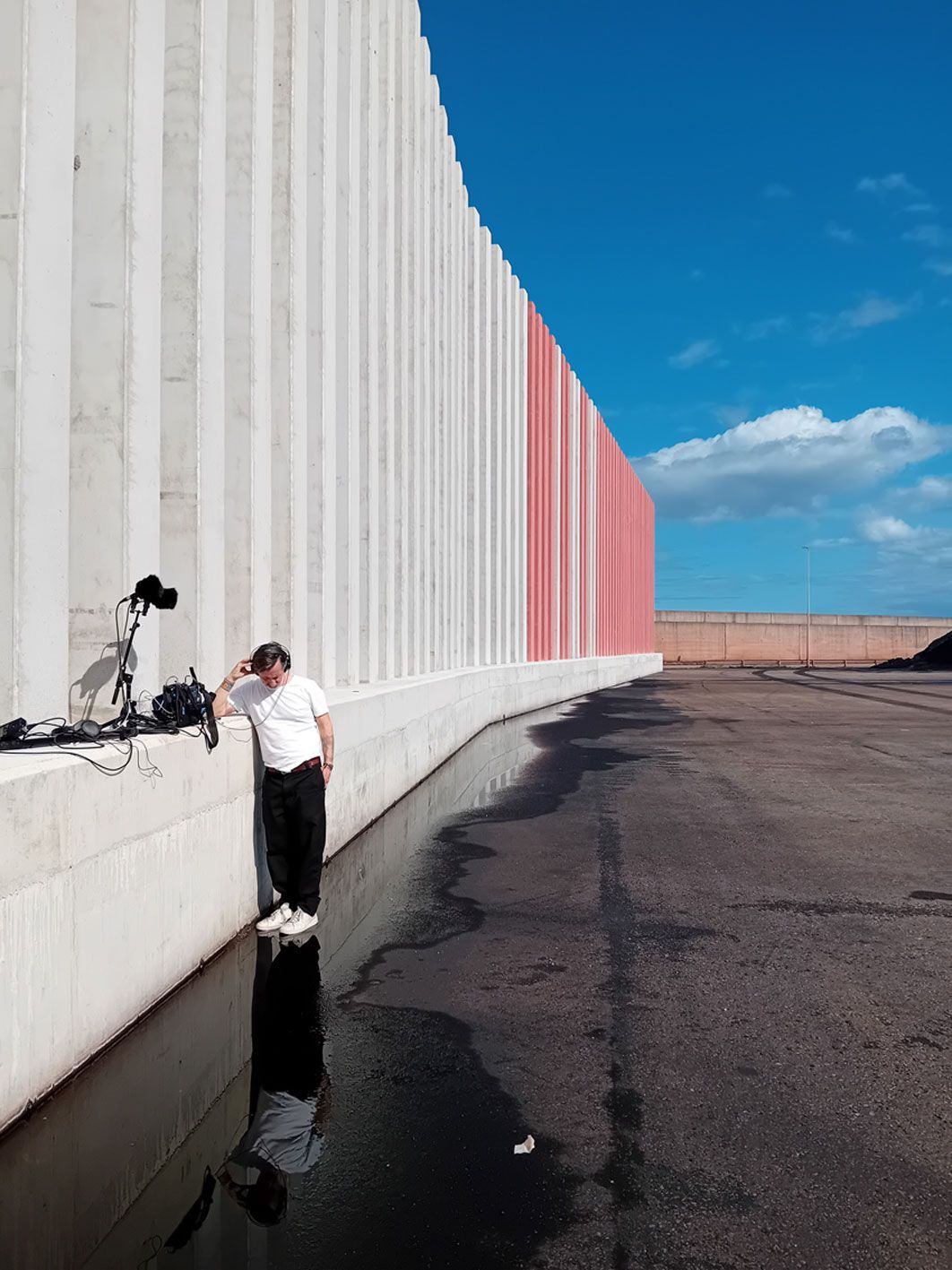
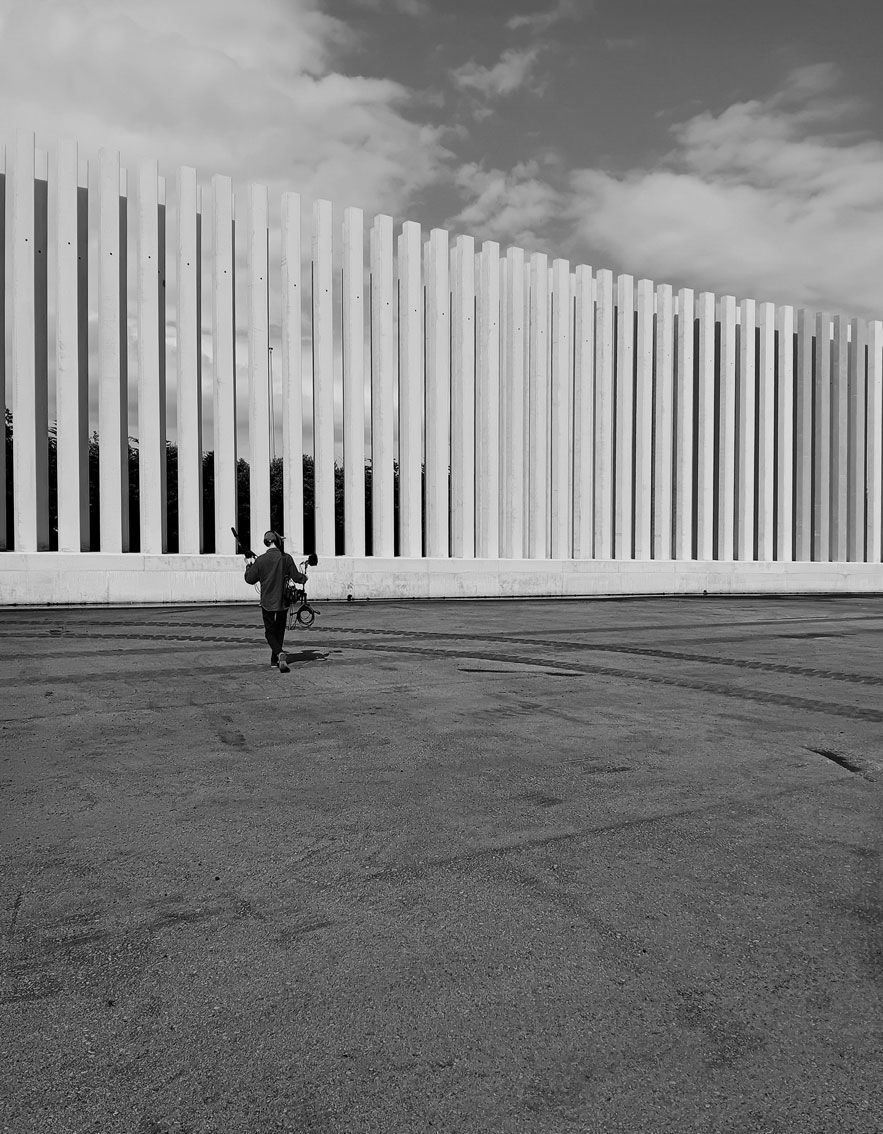
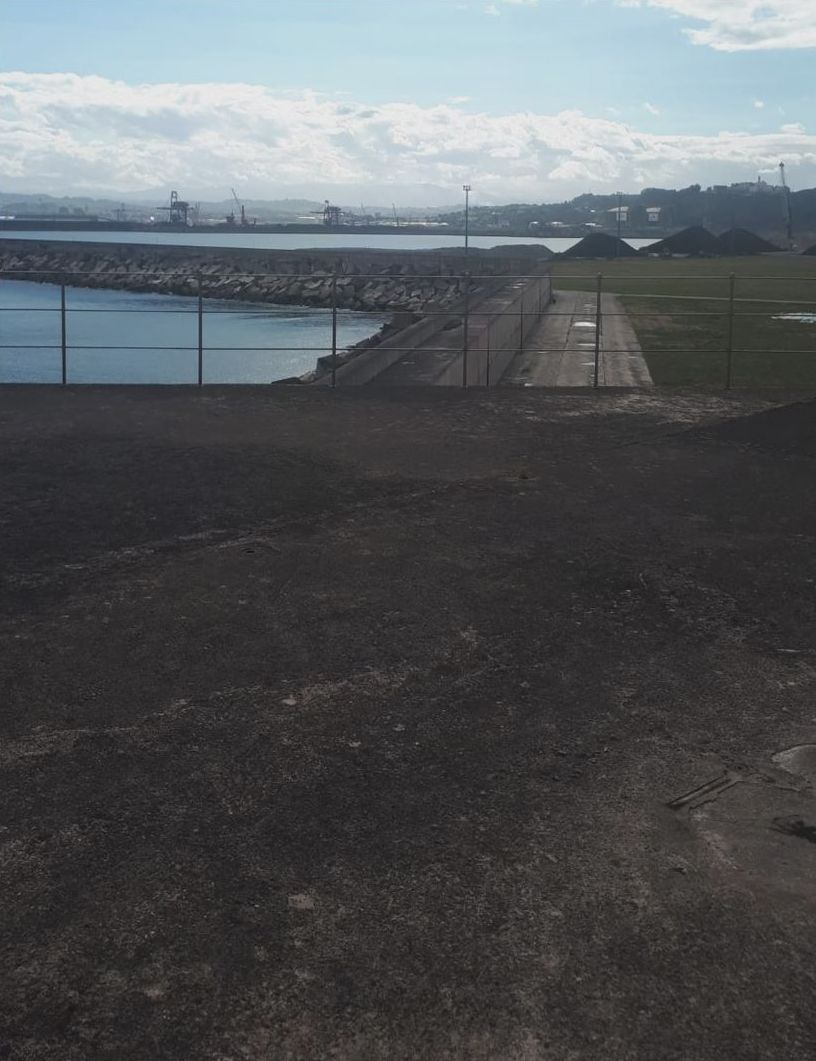
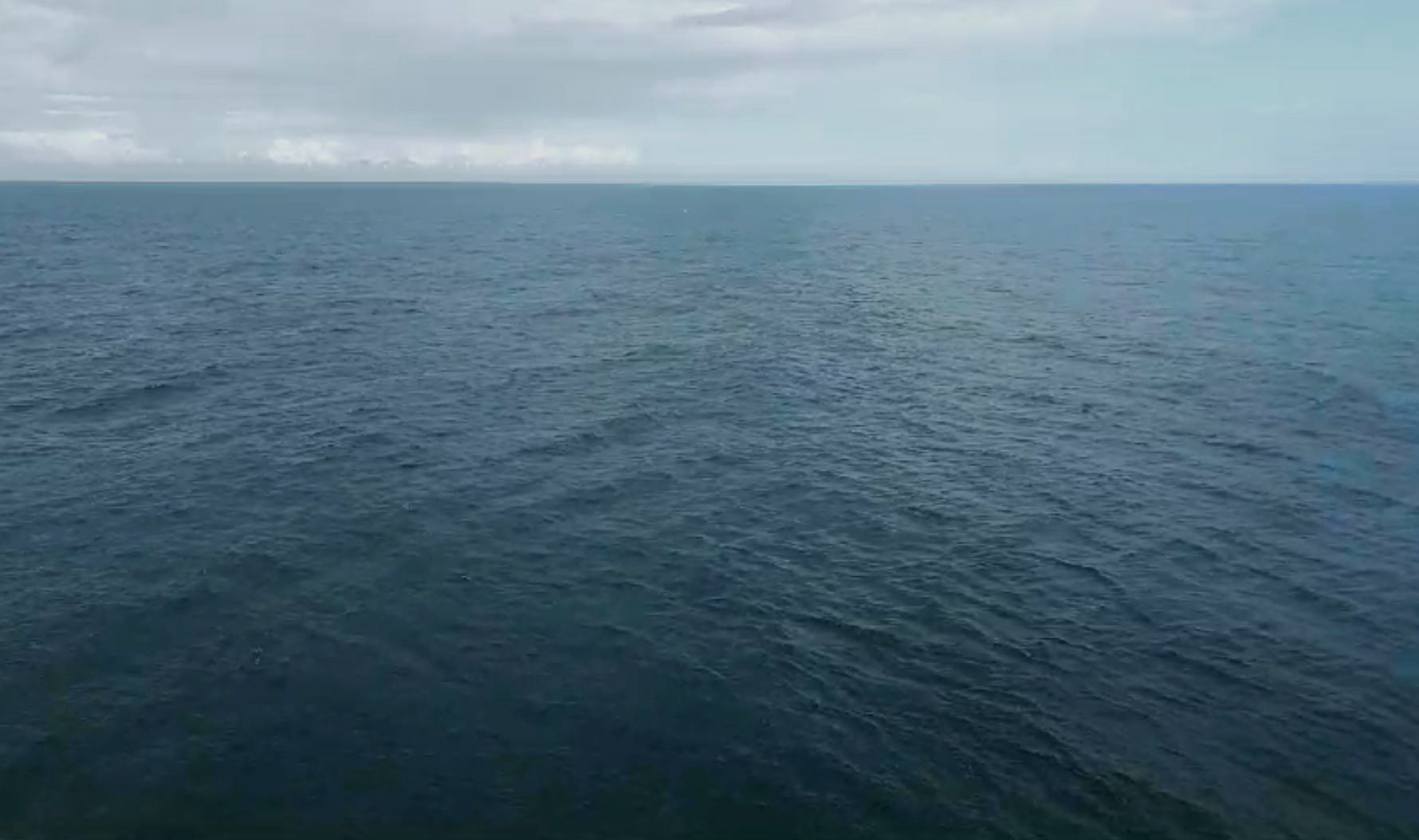
Staircase of the wall of this whole part of the jetty and dock reclaimed from the deep, dense and gently moving sea. You feel the abysses and the depth. Wall and staircase of pyramids of power and of the gods, offerings and gaze at the sky, ascent and fear, Babylon and the gardens, ziggurats, Sumerians, Egyptians, titans and cyclopean walls.
Humanity continues to resemble each other in all its stages, the deep and irrational is still there. Gardens between cracks and edible Portulaca oleracea (purslane).
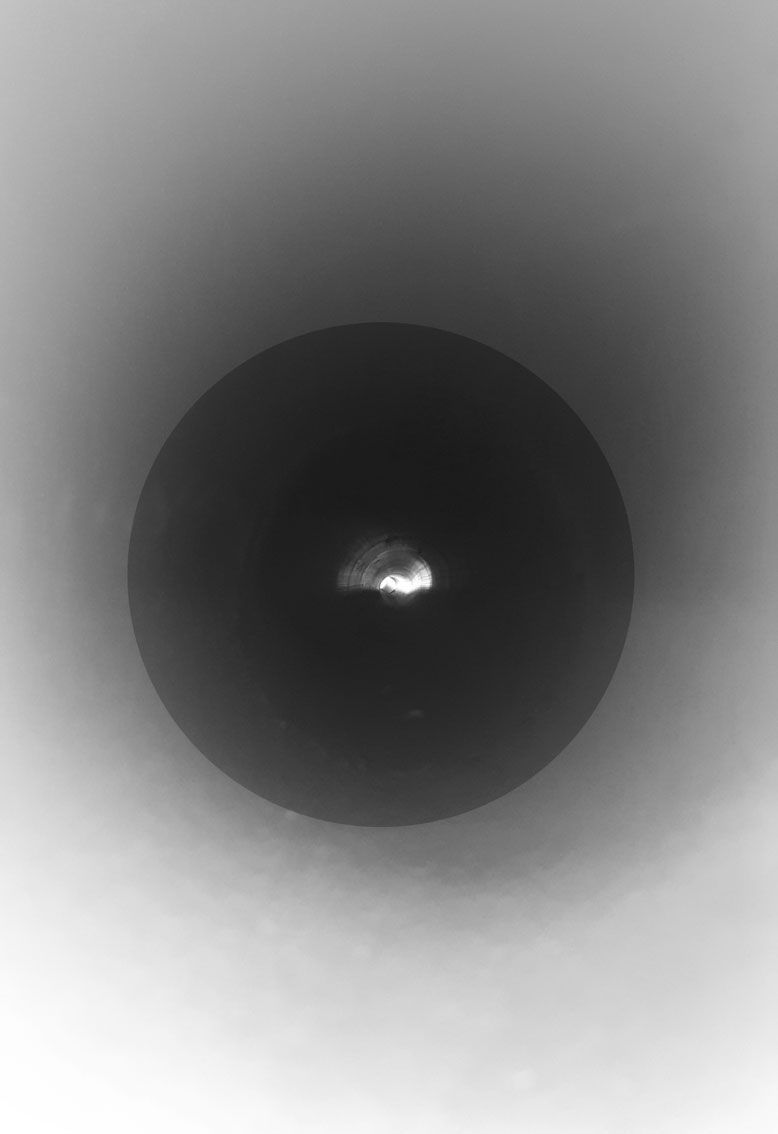
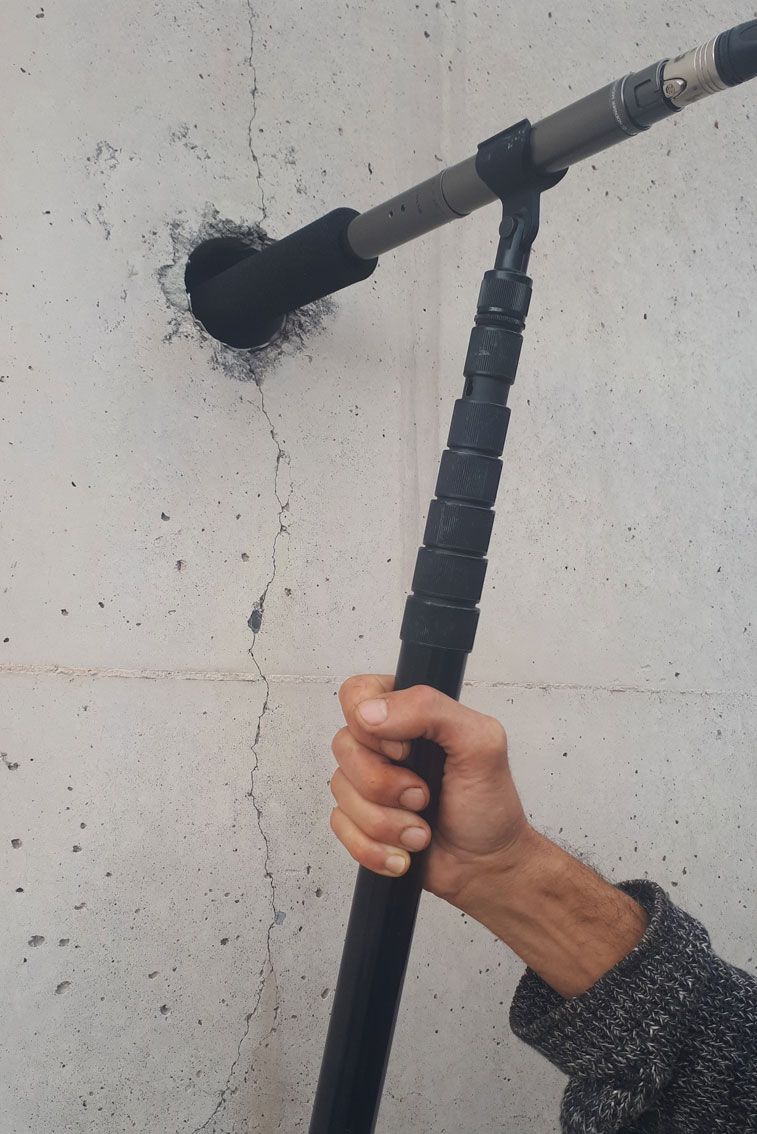
Hole-Shell. Giovanni heard it as he passed by. Passing forums in the concrete wall through which the ocean can be glimpsed in its tiny form, but above all, the sea can be heard, as if through a seashell, what you cannot yet see can be heard.
The audible and the invisible.
*
Residencies are always learning processes for everyone, spaces of curiosity and shared echoes, diverse views that cross and rest around the same thing.
*
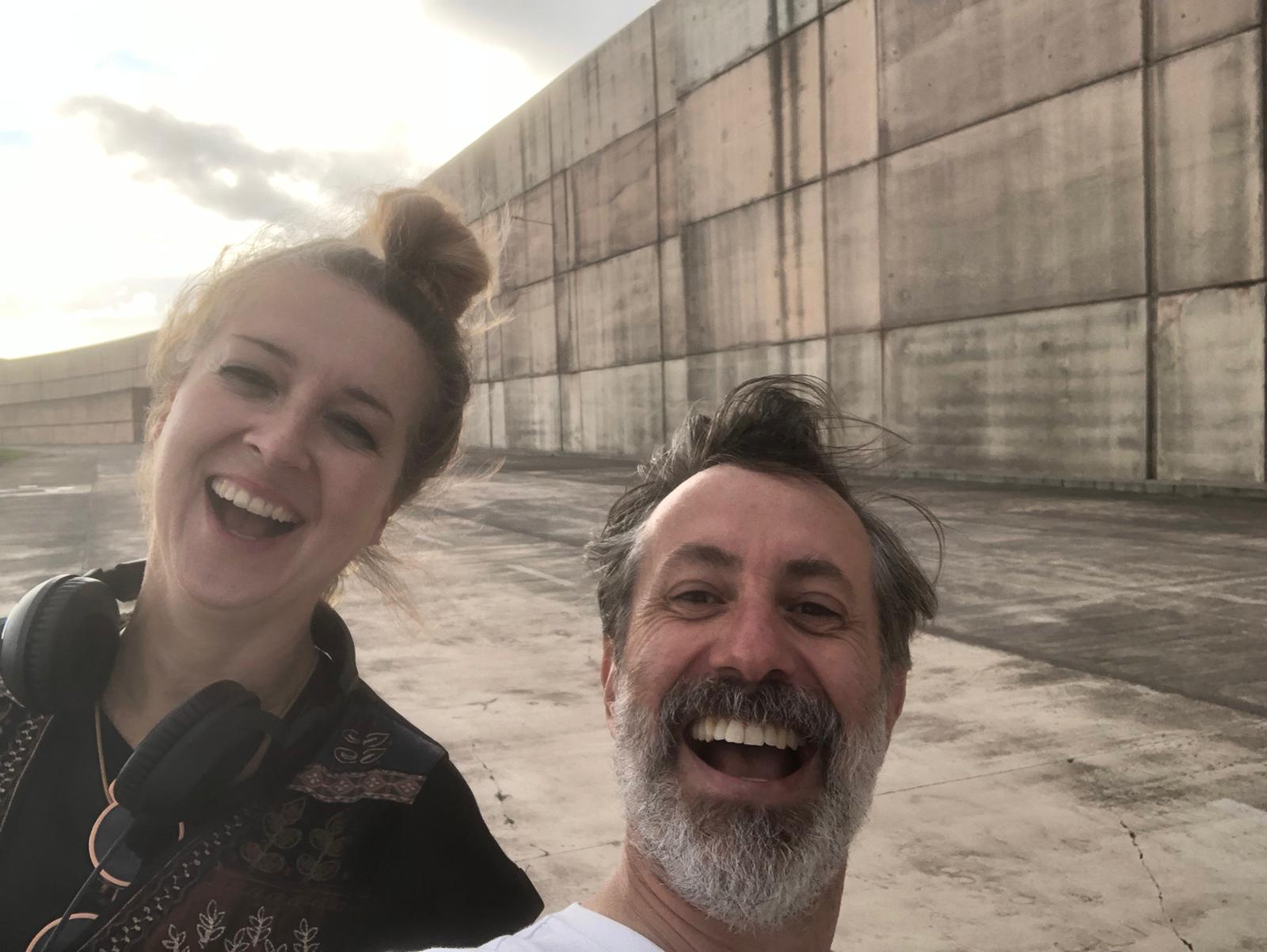
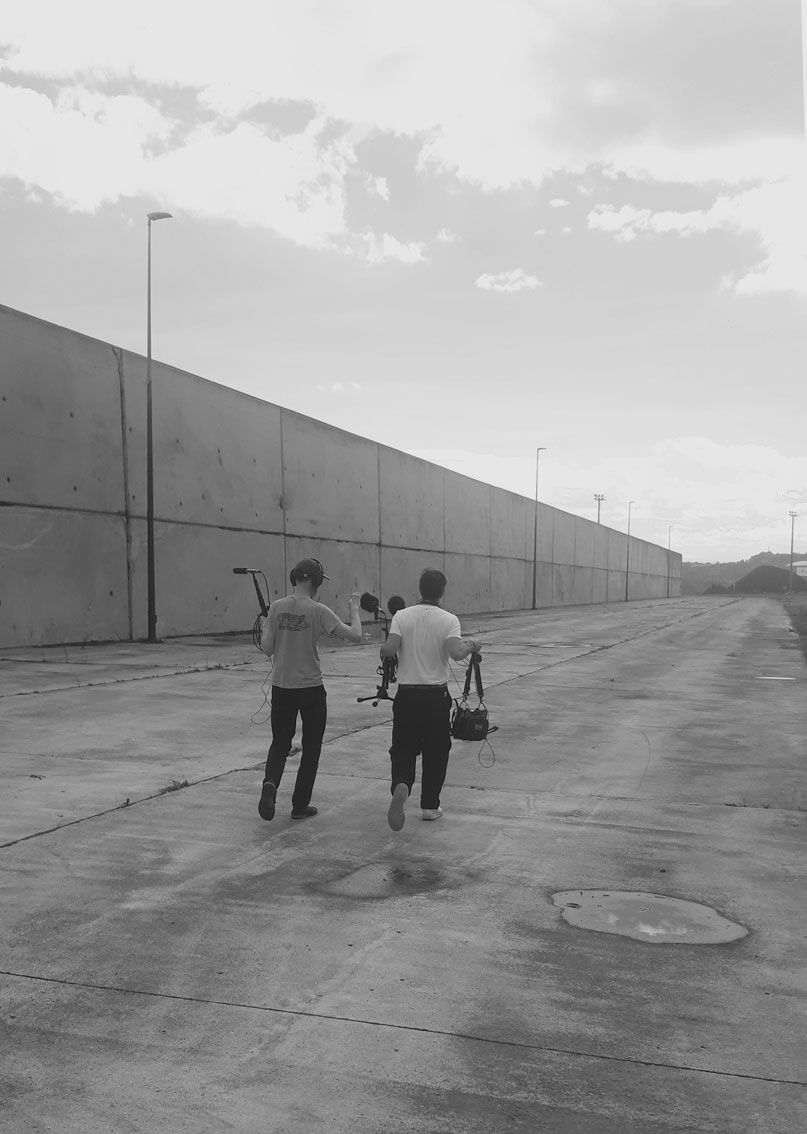
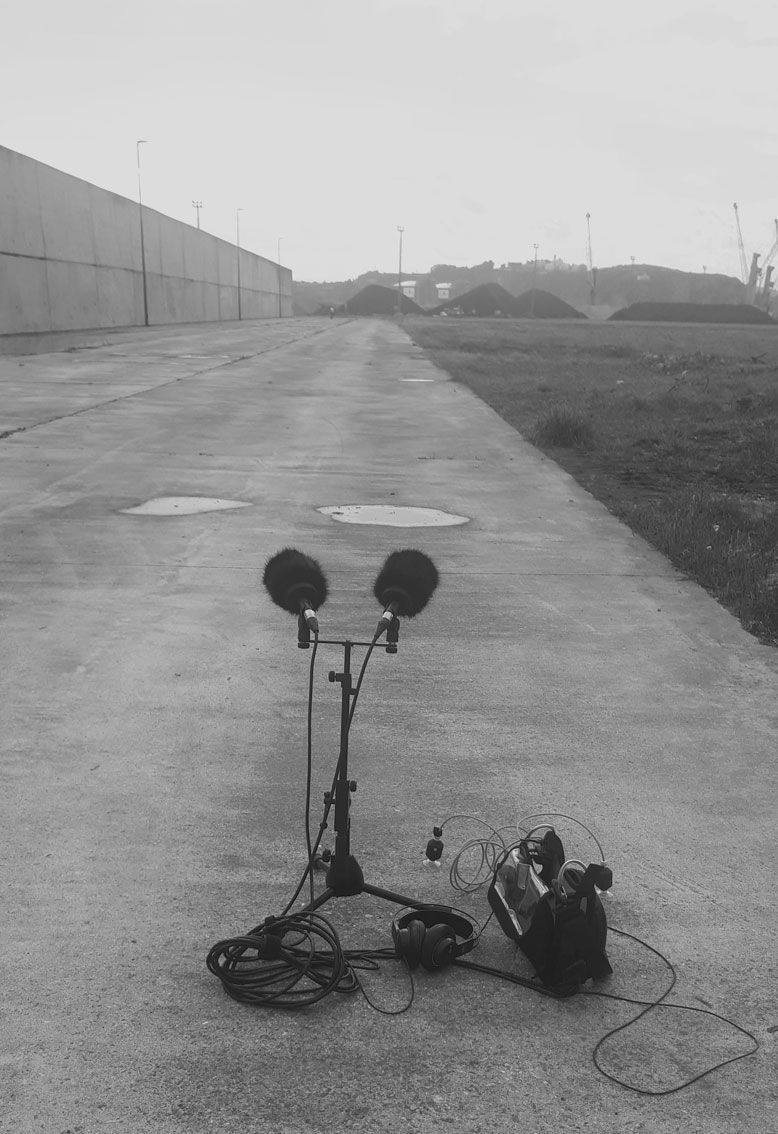
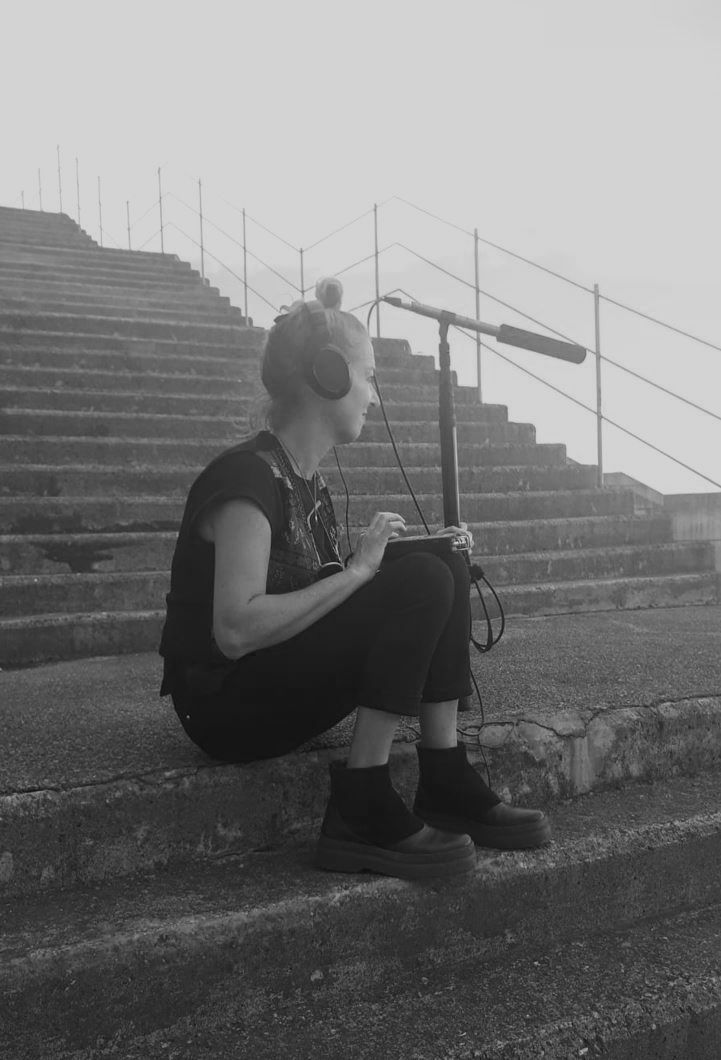
Photos, experiences and sensations during fieldwork in El Musel with the musician and sound artist Fernando Oyágüez and the artist Roberto Uribe Castro. Great experience!
Agradecimientos/ Acknowledgements :
We would like to thank so many people who are generously collaborating, facilitating contacts, information, opening spaces, archives, readings and valuable documentation, recommending visits and allowing Roberto to delve deeper and to begin to ground concepts, reflections and forms in such a short time. Fernando Oyágüez, musician and sound engineer, who with tireless curiosity for things has collaborated from the beginning in the project, invaluable help in all the sound part. Ana, dear Ana, who made everything so easy, you know. Paloma Díaz, Rebecca Tassis, Juan Carlos A. Vega, Paco Ríos, Patricia Villanueva, Hanna and Gemma…Thank you. We continue the adventure with Roberto, always wide horizons.
Virginia López
photo report: Virginia López y Giovanni Lanterna
texts: Roberto Uribe, Virginia López.
Roberto Uribe-Castro is a Dutch-Colombian architect and artist. He received the architecture degree from the Universidad de los Andes in Bogotá and his Masters in Fine Arts from the Weißensee School of Arts in Berlin. As a freelance architect he has done research work on Bogotá and the Sabana and he has been an external consultant for the first POT of Bogotá. As a designer he has worked in private residences in Amsterdam and Berlin. From Architecture Uribe-Castro was linked to large scale artistic projects working in research, production and assembly for Doris Salcedo («Untitled» at the Istanbul Biennial 2003 and «Shibboleth» at the Tate Modern in 2007) and Mona Hatoum («Silver Lining» in Bern). The Master of Space Strategies in Berlin marks the beginning of his individual practice as an artist. His interest in the city, architecture and space as historical documents and archaeological sites leads him to take as a starting point either a specific site or an archetypal architectural space, seeking to establish a dialogue between architecture, politics and history through alterations or changes to existing elements. On other occasions Uribe works from urban elements such as billboards in ephemeral public installations that question lesser known histories of the chosen site. Roberto has been awarded the Berlin Senate research grant, finalist in several public space art competitions in Germany and Ireland, shortlisted for the EU competition Beyond Memorialisation. Uribe is co-founder and member of CC_Berlin NGO that works with communities in the development of projects to improve living conditions and decrease the vulnerability of rural communities in Mexico and Colombia.
“What about post-industrial? The future of nature in co-existence with post-industrialized landscapes”.This three-week research residency at PACA (Asturias, Spain) is supported by the Dutch embassy in Spain. Opencall launched in collaboration with DutchInstitue
#PostIndustrial open call focus on territory pdf
Jury: Virginia Lopez, artist and founder PACA_Proyectos Artísticos Casa Antonino @virginialopez_paca.artprojects/Erik Wong & Sophie Krier. Co-curators of In search of the pluriverse (2020-ongoing, Nieuwe Instituut). https://nieuweinstituut.nl/en/projects/pluriverse @insearchofthepluriverse